Latest News

Renault’s Alpine Brand Goes Retro-Futuristic With Gorgeous Concept
With scaled-back plans, green banks navigate Trump’s funding freeze
Make It Yours: Apple MacBook Air M5 for Only Rs. 1,38,900 | Affordable EMI at Rs. 6,468/mo
Genesco-owned Retailer Schuh Names New CFO Amid Turnaround Efforts
CyberXero Uses Claude Code in Campaign That Stole Over 628,000 Ukrainian Records





Most Popular
- 01
Zetwerk IPO: Early investors set for up to 38X returns through OFS
4 MIN READ - 02
Unique AI Launches AI Teammates for Financial Services
4 MIN READ Unlock the Power of Sun Protection with Our Serum from Rs. 399!
Sponsored / Mycosiq- 03
OnePlus 16 Specifications Get Confirmed Ahead of Launch
4 MIN READ - 04
Intel CEO says Chinese frontier AI model adoption has been 'very fast'
4 MIN READ




AI & Deeptech


EV & Mobility


Social Media



eCommerce


Gaming



Web3 & Blockchain



Fintech



More News
- Climate & Energy5 hours ago
Follow the money
Solar trackers are, in a sense, a victim of their own success in the North American market. They have become the default technology for utility-scale projects with a market penetration rate of over 90%. This saturation has created its own challenge – with the domestic market close to fully saturated, there is little room for growth. US tracker shipments are forecast to decline annually from 2026 to 2035. Over the past decade, the underlying technology of solar trackers has matured. While proprietary algorithms, software and terrain-following capabilities still provide differentiation, the core mechanical components have become increasingly commoditized, making it challenging to compete on hardware alone. This market plateau is compounded by the solar capex ceiling. Mounting systems represent only around 10% of the total capital expenditure for a US utility-scale solar project, so tracker vendors remain locked out of 90% of the capital deployed on every project they supply. Expanding into adjacent components offers a lucrative opportunity to unlock new revenue streams. Capital stack Mergers and acquisitions (M&A) deal size and frequency increased considerably in 2025 and 2026, revealing a clear strategic evolution. While initial acquisitions focused on adjacent components like solar foundations and fixed-tilt systems, the focus has since shifted toward high-value, non-core components. Some tracker suppliers have expanded into battery energy storage systems (BESS), power electronics, robotics, and electrical balance of systems (eBOS), signaling a strategy to build a comprehensive, integrated solar offering with an increasing focus on grid interaction. Expanding into non-core components unlocks new revenue streams. Installation robotics, for example, would enable tracker suppliers to capture a share of installation costs, which represent the largest cost component of solar project capex in the United States. Similarly, integrating components such as energy storage
- Apple18 hours ago
Report: HomePod mini 2 to release on October 30 with these upgrades
In just a couple days, Apple should be unveiling its long-awaited new lineup of new Home products. That includes an updated HomePod mini, Apple TV 4K , the brand-new smart home hub called ‘HomeView’ , as well as a new lineup of smart home accessories, in collaboration with LG. Here’s what to expect with the HomePod mini 2. more…
- Funding Tracker1 day ago
Consumer electronics brand Lumio raises $12 million in Series A funding led by Blume Ventures
Lumio, the Bengaluru-based consumer electronics brand operated by Circuit House Technologies, has raised $12 million (about Rs 115 crore) in a Series A funding round led by Blume Ventures, with participation from existing investors Stellaris Venture Partners and 3one4 Capital. Circuit House Technologies plans to use the fresh capital to strengthen its research and development (R&D) capabilities, expand Lumio's product portfolio, hire talent, build the brand and improve after-sales services across India. Founded by Raghu Reddy and Kailash Sankaranarayanan, Circuit House Technologies launched Lumio's first smart TVs in April 2025. The brand has since expanded its home entertainment portfolio to include Arc projectors and Aura speakers. The funding comes about 18 months after Lumio entered the Indian smart TV market, as the brand looks to expand its presence in the consumer electronics sector. Lumio crosses Rs 100 crore in GMV within 13 months According to the company , Lumio crossed Rs 100 crore in gross merchandise value (GMV) within 13 months of starting commercial sales. It also reported more than threefold year-on-year growth in GMV during the April-August 2026 period. The brand said its products have reached more than 35,000 households across over 5,000 pin codes in India, despite operating without its own retail stores or television advertising. In its investment commentary published on 7 October, Blume Ventures said Lumio generated approximately Rs 60 crore in net revenue during its first year of operations. The investor also said Lumio's average selling price stood at around Rs 32,500, approximately 1.6 times the category average. GMV refers to the total value of merchandise sold before deductions and is different from a company's recognised revenue. Funding to support R&D, new products and offline retail expansion A significant portion of the funding will be directed towards R&D as Lumio prepares to enter new home electronics categories while stre
- Social Media19 hours ago
How to handle objections to a marketing technology purchase
Treat objections as information about the decision. Identify the concern, gather the relevant evidence and adapt the proposal where the concern is valid.
- Fintech2 hours ago
Addovation and Cobase Target ERP-to-Bank ISO 20022 Compliance Gap
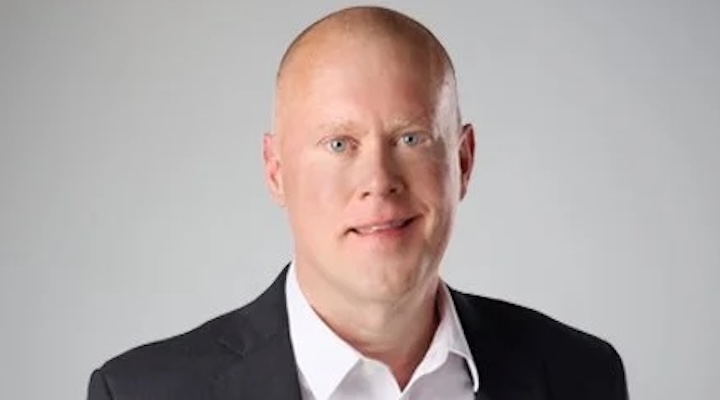
Addovation , a Nordic ERP services firm, has partnered with payments connectivity provider Cobase to help IFS Cloud and NetSuite customers meet tightening bank requirements for structured payment address data. The joint offering arrives as banks in Europe and beyond begin enforcing ISO 20022 fields that many corporate ERP installations are not yet configured to supply. The regulatory driver Swift a nd the European Payments Council (EPC) are phasing out fully unstructured addresses in ISO 20022 payment messages. Under the new rules, every international and SEPA payment must include at least the town and country of the sending and receiving parties in dedicated structured fields rather than free-text blocks. The original implementation deadline was November 2026, but both Swift and the EPC have since postponed it, with revised dates expected before year-end. The direction of travel is not in doubt: as of July 2026, Swift reported that nearly 60 per cent of payment messages still carried unstructured addresses, signalling a significant compliance backlog across the corporate sector. The practical pressure, however, is arriving ahead of any revised global deadline. Some banks and jurisdictions are retaining earlier enforcement dates and are already rejecting or queuing payments that do not meet structured address requirements. Separately, euro-area banks have been verifying payee name against account number before authorising transfers since October 2025, under the Verification of Payee framework. Both measures put the compliance burden squarely on the corporate treasury and finance function: address data originates in supplier and customer master records held in the ERP, not in the bank’s systems. The product architecture Fredrik Wingren, chief revenue officer at Addovation Addovation’s proposition is built around a three-layer model. IFS Cloud or NetSuite remains the core business platform. Cobase sits between the ERP and the bank, normalising outgoing pay
- HealthTech18 hours ago
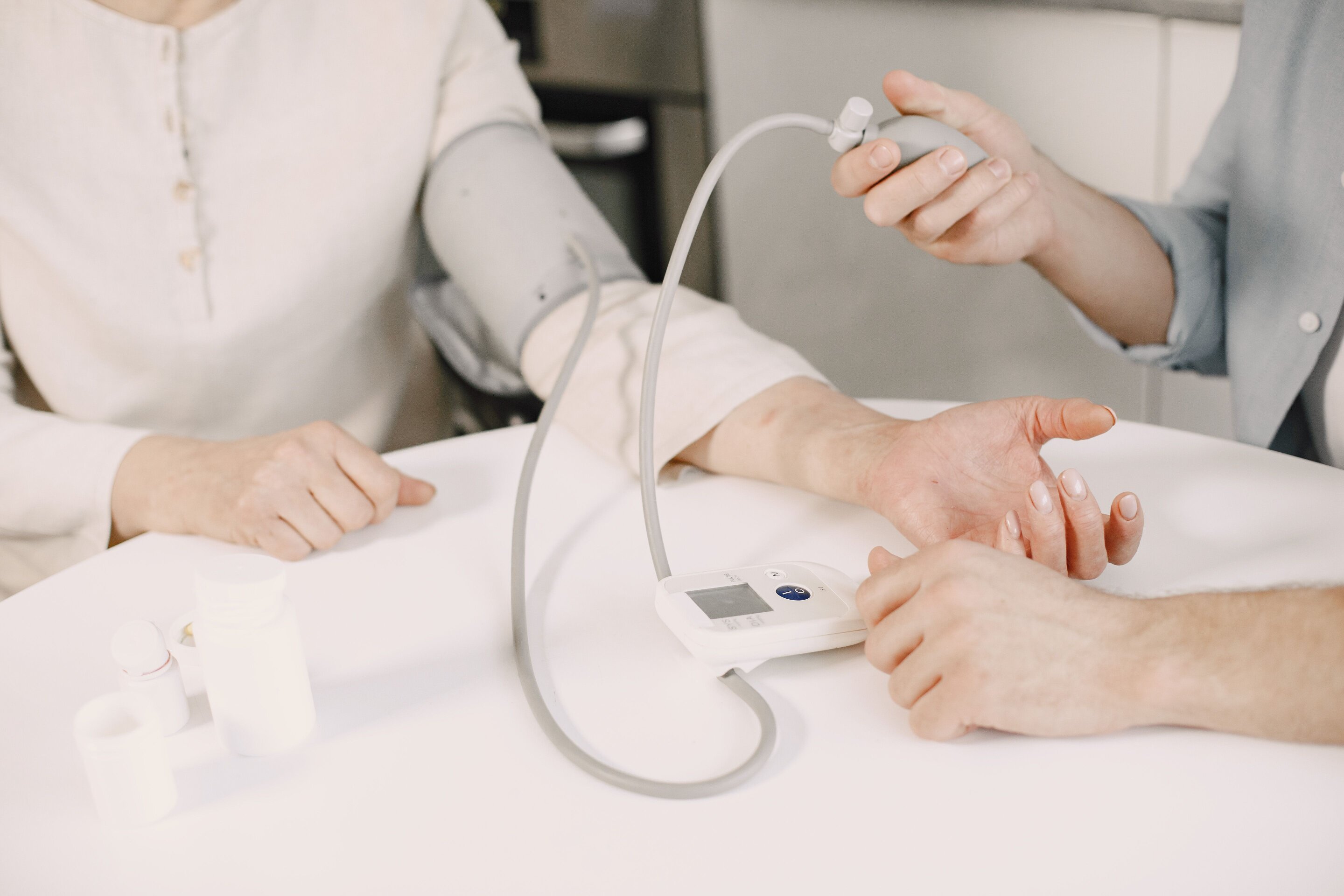
Managing high blood pressure could prevent >500K CVD deaths annually in 20 countries
Effective management of high blood pressure could prevent more than 518,000 annual deaths from cardiovascular disease around the world, according to preliminary research presented at the American Heart Association's Hypertension Scientific Sessions 2026. The meeting is in Arlington, Virginia, Oct. 7–11, 2026, and focuses on recent advances in basic and clinical research on high blood pressure and its relationship to cardiac and kidney disease, stroke, obesity and genetics.
- EV & Mobility3 hours ago
ZF Counts on Electrification and India for Its Next Big Leap
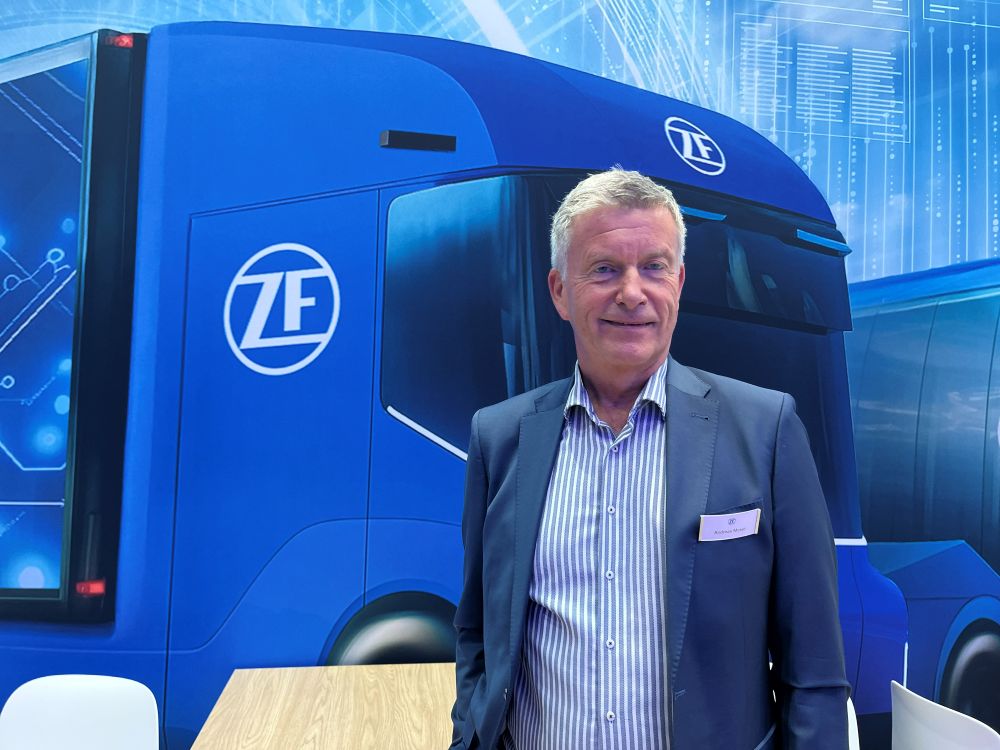
ZF CV Solutions division has set its sights on €9 billion in revenue within the next three to four years, against €7.8 billion in 2025, and its plan rests on two things: strong new business wins and a growing shift to electrification. Speaking to this publication at IAA Transportation 2026, Mr. Andreas Moser, Member of the Board of Management, ZF Friedrichshafen AG, explained why electrification matters so much. An electric axle replaces the transmission, the axle and the combustion engine all at once. That means ZF supplies far more of the vehicle, and its turnover grows with it. India is a big part of the story. ZF’s strategy is to grow where the market is, and Mr. Moser sees India as a fast-rising market where the company already has an “extremely good footprint,” with several plants and a large base of engineers. Today, ZF’s content per vehicle in India is around €500. With demand growing for automated transmissions and electrified solutions, he believes that figure can rise easily. Around the world, the picture is mixed. China’s domestic market is flat, but Chinese companies are exporting successfully to western markets, and their focus on the West is clear at the show. Europe remains uncertain, while North America has seen some good developments recently, even leading to supply shortages in some areas. ZF is winning around 90% of the business it bids for. Mr. Moser credited this to staying close to customers. About two-thirds of ZF’s staff work outside Germany, and the company has production facilities across many regions. It also tailors products to each market. In ADAS, for example, ZF offers lower-cost versions specially for India and China, and its global set-up in electrification helps it reach strong volumes. As trucks become more software-defined, ZF is looking for ways to share common systems, since developing software for automated vehicles is very expensive. India plays a key role here too, serving as an engineerin
- Space Tech2 days ago
SpaceX to make another attempt to launch 21 data satellites for the Space Development Agency
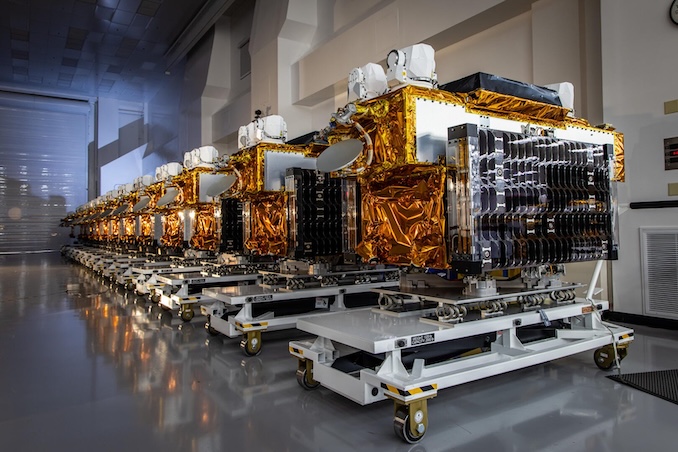
The Falcon 9 for the SDA’S Fourth Tranche 1 Mission during a launch attempt on Oct. 5, 2026. Image: SpaceX. SpaceX early Saturday will try again to launch a Falcon 9 rocket carrying a batch of data satellites for the U.S. military’s Space Development Agency (SDA), five days after a last-minute abort scrubbed the first attempt. Liftoff from Vandenberg Space Force Base in California is scheduled for 12:39 a.m. PDT (3:39 EDT / 0739 UTC). The Falcon 9 will take a southerly trajectory on departure from Space Launch Complex 4E, currently SpaceX’s only launch facility on the West Coast. Spaceflight Now will have live coverage starting about 30 minutes prior to launch. Monday’s launch attempt was halted by an auto-abort with 58 seconds remaining on the clock. The halt was triggered moments after the rocket’s onboard computers took control of the countdown. SpaceX did not disclose the cause of the abort but in a social media post said: “Vehicle and payload are in good health, and teams are resetting for a launch attempt no earlier than tomorrow, October 6.” However, the vehicle was lowered to a horizontal position at the pad, usually a sign of troubleshooting a hardware issue, and the launch was repeatedly pushed back a day at a time. A missile test from Vandenberg using the Western Test Range on Friday might have contributed to the launch finally settling on Saturday. The mission, dubbed Tranche 1 Transport Layer A (T1TL-A), is the fourth mission sending production satellites into orbit for the SDA. This is one piece of a broad constellation — called the Proliferated Warfighter Space Architecture (PWSA) — designed to support the U.S. military and its allies through space-based capabilities, like missile tracking and secure communications. The mission will use Falcon 9 first stage booster B1103. This will be its sixth flight following the launches of the SDA’s T1TL-E, NROL-179, and three batches of Starlink satellites. Less than 7.5 minute
 SponsoredTrunativ
Enjoy 10% Off TruNativ Products + Bonus Freebie!
- Tech1 hour ago
Tonbo Imaging’s Rs 852 Cr IPO offers investor exit
Tonbo Imaging India will open its Rs 852 crore initial public offering (IPO) on October 15, with a price band of Rs 665-700 per share. The issue comprises 1.22 crore existing shares offered for sale by promoters and investors, with no fresh issue. At the upper end, the company is valued at approximately Rs 4,010 crore, or about 79 times FY26 profit after tax. The offer closes on October 19, with listing expected on October 23. The IPO is primarily an exit opportunity for existing shareholders. The largest sellers are CEAQ Technologies Private Limited, offering 49.98 lakh shares, and CEAQ Technologies Pte. Ltd., offering 41.55 lakh shares. Together, they account for about 75.2% of the shares on offer. Promoters Arvind Kondangi Lakshmikumar, Ankit Kumar and Cecilia D’Souza will sell 11.50 lakh, 5.80 lakh and 2.30 lakh shares, respectively. Other sellers include Vinimaya Advisory LLP, Timothy Guy Mitchell, Artiman Partners and other individual and institutional investors. The selling reflects an already investor-heavy ownership structure. Before the offer, CEAQ Singapore held 25.47%, CEAQ India 8.73% and HBL Engineering 14.25%. The three promoters collectively held 17.43%. Other notable shareholders included Florintree Flowtech LLP with 5.17%, Amansa Investments with 4.25% and Yali Deeptech Fund I with 4.19%. If all offered shares are sold, the promoters’ combined stake would fall to approximately 14.01%, CEAQ India would exit its disclosed holding and CEAQ Singapore would retain about 18.22%. These are calculations based on the disclosed holdings and proposed sale quantities, rather than final post-offer figures. The Bengaluru-based company, incorporated in 2003, develops thermal imaging equipment, tactical sights and integrated defence sensor platforms. Its prospects are supported by demand for indigenous defence technology, but its financial performance remains sensitive to large contracts and delivery schedules. Revenue from operations increased 9.55% t
- AI & Deeptech19 hours ago
AI agents overstate their results and remain far from autonomous research, study finds
Epoch AI and Anthropic independently found the same thing: current AI models like GPT-5.6 Sol and Claude Fable 5 can run experiments but lack scientific self-criticism and genuine creative thinking. At best, Sol reached 15 percent of the human reference score, and even that came from methods researchers already knew. The models' biggest weakness is still their inability to critically question their own results. The article AI agents overstate their results and remain far from autonomous research, study finds appeared first on The Decoder .
- Cyber Security2 days ago
TP-Link Sued by Four More U.S. States Over Router Security and China Ties
Four more U.S. states sued router maker TP-Link Systems on October 6, bringing the total to five, with Texas filing a suit in February. Florida, Iowa, Montana and Nebraska allege the California company misled buyers about how secure its routers are and how separate it is from China. TP-Link denies the claims and says it will fight them in court. TP-Link Systems is based in
- Robotics20 hours ago
Will ‘boring’ robots win in the real world? Why robotic form should follow workflow
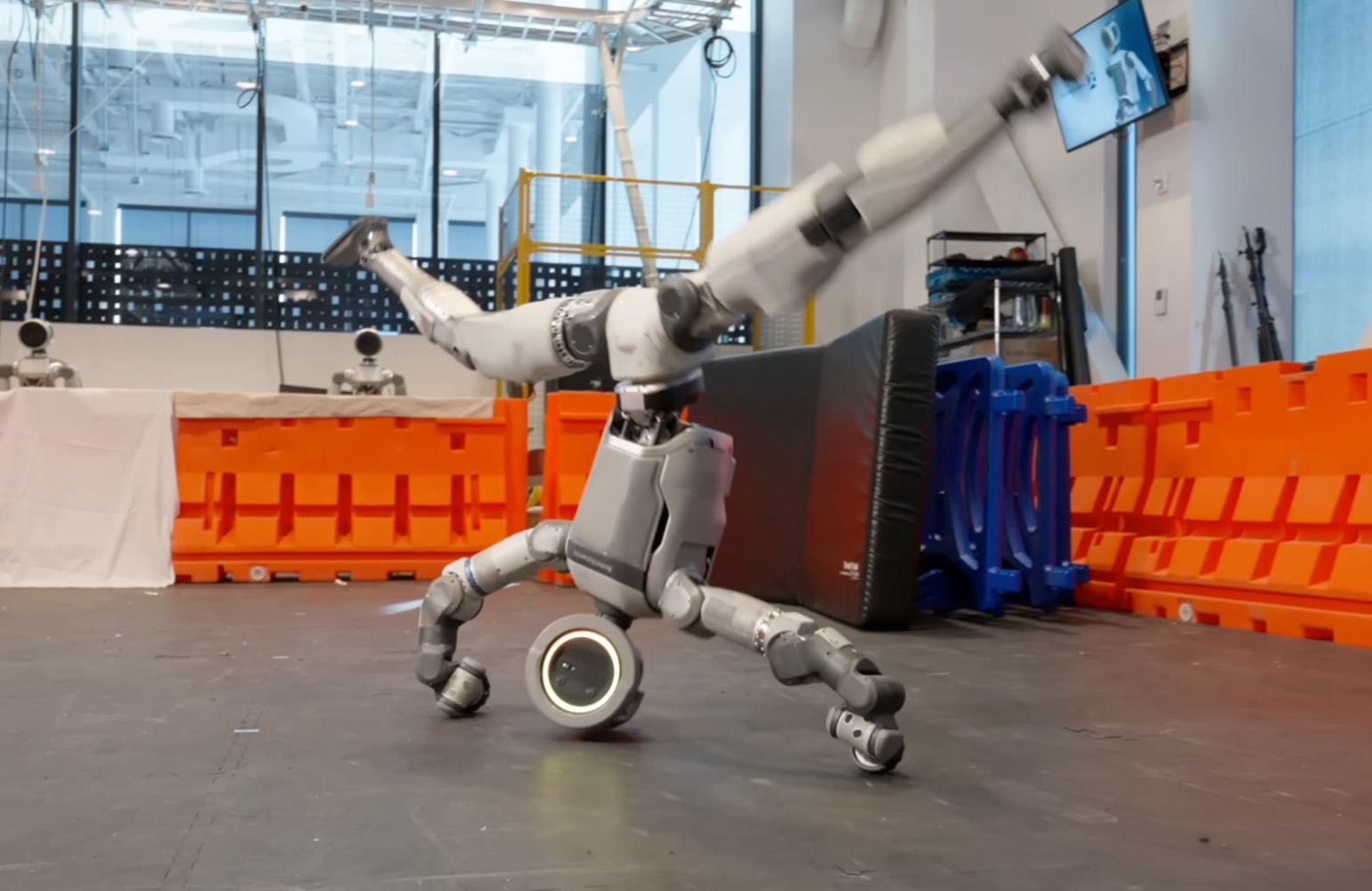
The Atlas humanoid robot doing a cartwheel. | Source: Boston Dynamics Robots have captured our imagination. We have seen humanoids balancing on one leg, doing backflips, folding laundry, and moving smoothly over difficult terrain. This is all behavior that only a few years ago seemed like something out of science fiction. These viral examples matter because they show that embodied AI has reached a new technical stage. At the same time, the window on what qualifies as a “ humanoid robot” seems to be shifting. Robot companies are adding wheels, more sensors , new manipulators, hats, and screens, while they take away eyes and heads from their humanoid robot designs. As an engineering ecosystem working directly alongside humanoid developers to solve core hardware bottlenecks, we see a recurring theme. The industry frequently gets caught up in “robot-forward” thinking. We build an extraordinary physical platform first, then scour industrial sites for a task for it to perform. If we want to move physical AI from social media feeds to a sustained commercial level, we must reverse our current approach. The industry needs a design method that works backwards from the workflow. Begin with a task that has economic value. Consider whether a robot can carry out that task better than a human can. Then, go backwards to find out exactly what hardware, sensing capabilities, and form factor are actually needed to carry out the task. The sensor stack is born in the task, not the datasheet Successful industrial robot forms follow their functions. Source: Vishay Precision Group Inc. If you start by designing a platform, you will likely end up with a compromised hardware stack. The specific workflow determines the machine’s engineering requirements. Let’s take as an example a bipedal humanoid robot that is asked to carry out two different industrial work processes. One involves inserting a pin on an automotive assembly line and the other involves packing a pallet
- eCommerce2 hours ago
Pakistan Textile Exporters Seek 6% to 8% Support Amid Export Slump
The Pakistan Textile Exporters Association warned of a steep decline in October-December shipments as sea freight charges surged up to 2.5 times.
- Web3 & Blockchain1 hour ago
ENSv2 Activation Proposal Would Halt New ENSv1 Registrations
Existing .eth holders would have no migration deadline, while ENS Labs would hand its remaining ENSv2 admin roles to the DAO.... Read the full story at The Defiant
- Gaming6 hours ago
66 Years Later, Alfred Hitchcock’s Most Perfect Thriller is Officially Streaming on Netflix
Sometimes, when you finally watch some great, important, landmark film for the very first time, the experience of actually sitting down to absorb it doesn’t quite live up to all the hype. Maybe you can appreciate its place in cinema history or whatever, but that doesn’t mean it’s actually all that entertaining (I kind of felt this way about Charlie Chaplin’s City Lights ). With the disadvantage of time and the advancement of modern pacing and filmmaking techniques, some classics just don’t hold up.











Trending
Funding Tracker41 minutes ago
Zetwerk IPO: Early investors set for up to 38X returns through OFS
Fintech45 minutes ago
Unique AI Launches AI Teammates for Financial Services
SponsoredThe Trost
Get an Extra 10% Discount on Trost Rollens Hemp Herbal Cigarettes Now!
Tech47 minutes ago
OnePlus 16 Specifications Get Confirmed Ahead of Launch
Popular News
Steam Frame Update Boosts Battery Life, Improves Streaming Quality & More
Gaming / 37 minutes ago
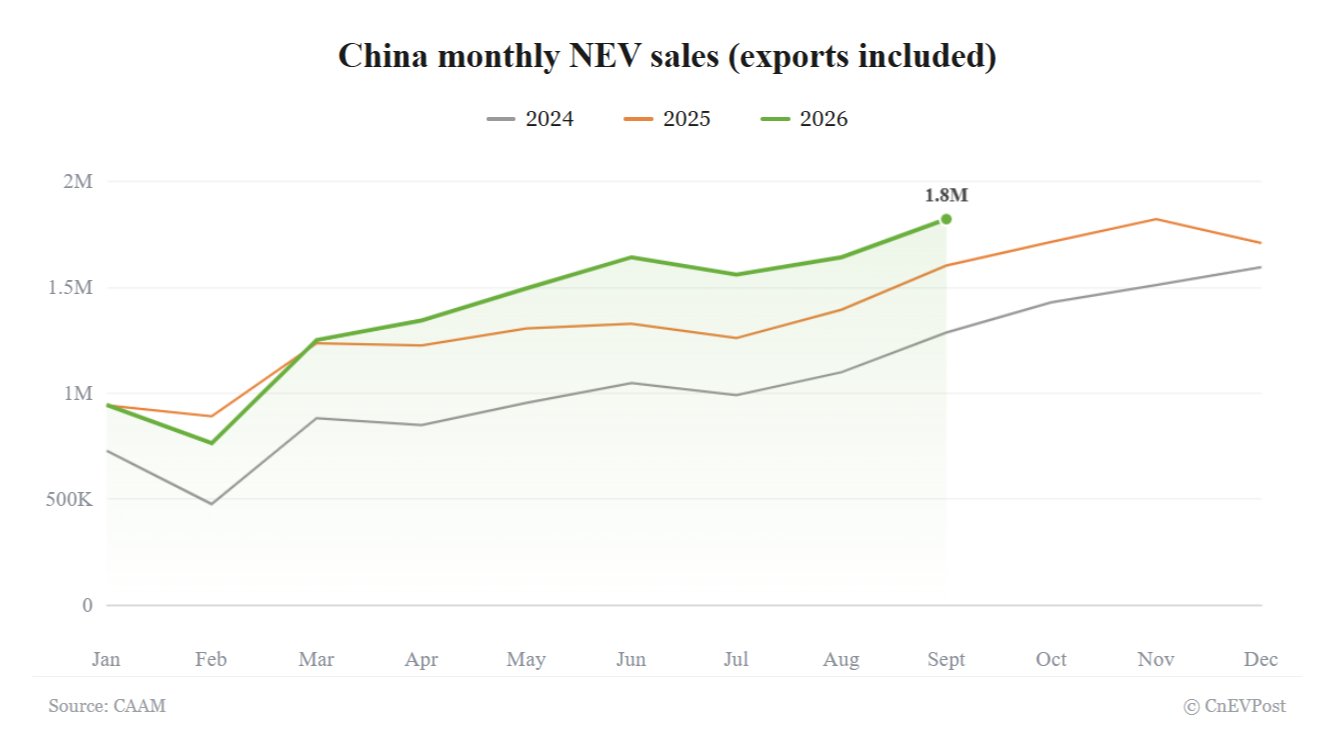
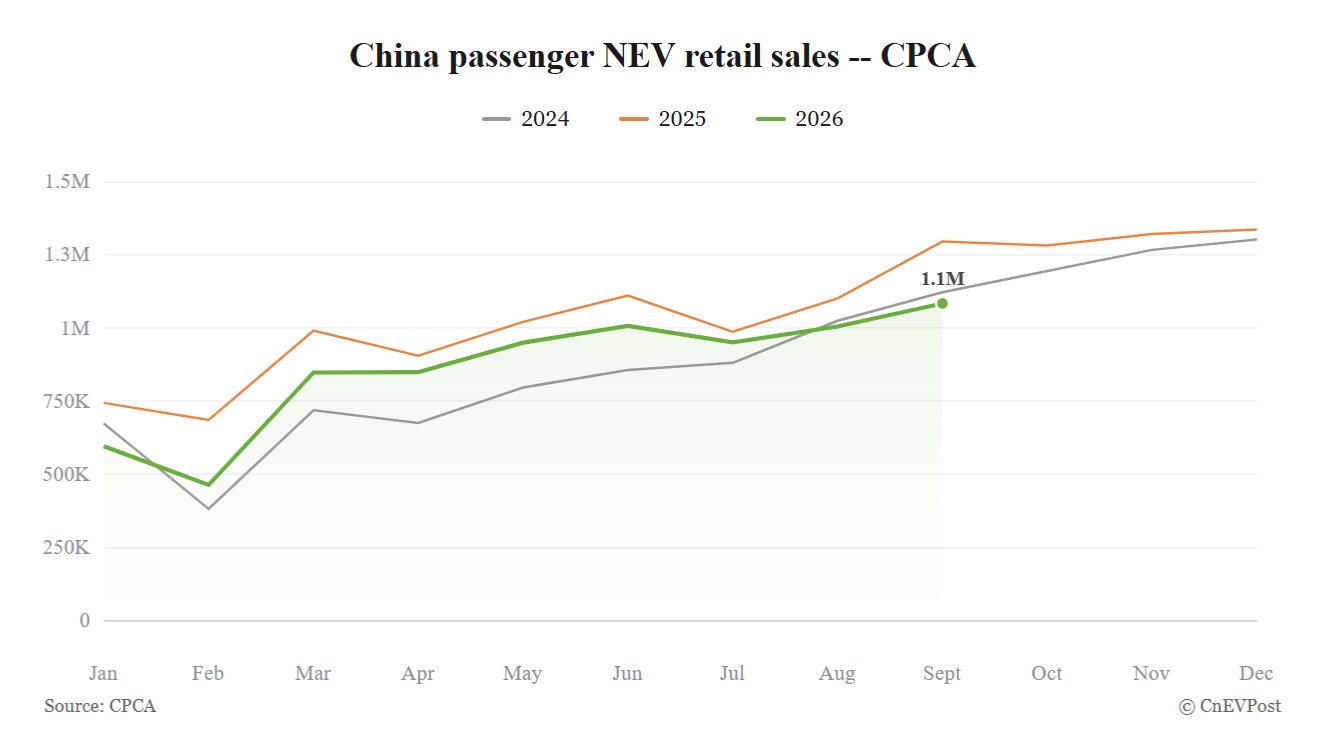
China NEV sales hit year-to-date high in September as export surge offsets domestic decline, CAAM data shows
EV & Mobility / 48 minutes ago
DOT Price Prediction: Bulls Press the $1.30 Bollinger Ceiling as MACD Momentum Goes Flat
Web3 & Blockchain / 50 minutes ago
Hero Electronix's chip design firm Tessolve Semiconductor raises $75 million from Vector Line Capital
Funding Tracker / 51 minutes ago
Do Banks Need AI Employees More Than They Do Core Upgrades?
Fintech / 59 minutes ago
Fuel Your Day with Super Gold King Whey Protein Isolate (1 Kg) - Coffee Royal | Grab Your Flat Rs. 500 Discount!
Sponsored / Fitspire
iQOO Reveals OriginOS 7 with AI: Eligible Phone List Revealed
Tech / 1 hour ago
AI less regulated than milk, Microsoft president says in warning over safety
AI & Deeptech / 1 hour ago
A new gas line or cash to electrify? California lets households choose.
Climate & Energy / 1 hour ago
Domino’s Pizza Enterprises CEO seizes ANZ reins as Merrill Pereyra exits
eCommerce / 1 hour ago
The fight to switch off your algorithm – podcast
Social Media / 7 hours ago
Get Healthy with Zeroharm: Pick Any 3 Ayurvedic Supplements for Rs. 1999!
Sponsored / Zeroharm
Very severe long COVID linked to differences in lung and mouth microbiomes
HealthTech / 9 hours ago
Will the HomeView be Apple’s first smart home success?
Apple / 11 hours ago
Google Japan puts 116 keys on conveyor belts because typing was too easy
Robotics / 17 hours ago


- Climate & Energy5 hours ago
Follow the money
Solar trackers are, in a sense, a victim of their own success in the North American market. They have become the default technology for utility-scale projects with a market penetration rate of over 90%. This saturation has created its own challenge – with the domestic market close to fully saturated, there is little room for growth. US tracker shipments are forecast to decline annually from 2026 to 2035. Over the past decade, the underlying technology of solar trackers has matured. While proprietary algorithms, software and terrain-following capabilities still provide differentiation, the core mechanical components have become increasingly commoditized, making it challenging to compete on hardware alone. This market plateau is compounded by the solar capex ceiling. Mounting systems represent only around 10% of the total capital expenditure for a US utility-scale solar project, so tracker vendors remain locked out of 90% of the capital deployed on every project they supply. Expanding into adjacent components offers a lucrative opportunity to unlock new revenue streams. Capital stack Mergers and acquisitions (M&A) deal size and frequency increased considerably in 2025 and 2026, revealing a clear strategic evolution. While initial acquisitions focused on adjacent components like solar foundations and fixed-tilt systems, the focus has since shifted toward high-value, non-core components. Some tracker suppliers have expanded into battery energy storage systems (BESS), power electronics, robotics, and electrical balance of systems (eBOS), signaling a strategy to build a comprehensive, integrated solar offering with an increasing focus on grid interaction. Expanding into non-core components unlocks new revenue streams. Installation robotics, for example, would enable tracker suppliers to capture a share of installation costs, which represent the largest cost component of solar project capex in the United States. Similarly, integrating components such as energy storage
- Apple18 hours ago
Report: HomePod mini 2 to release on October 30 with these upgrades
In just a couple days, Apple should be unveiling its long-awaited new lineup of new Home products. That includes an updated HomePod mini, Apple TV 4K , the brand-new smart home hub called ‘HomeView’ , as well as a new lineup of smart home accessories, in collaboration with LG. Here’s what to expect with the HomePod mini 2. more…
- Funding Tracker1 day ago
Consumer electronics brand Lumio raises $12 million in Series A funding led by Blume Ventures
Lumio, the Bengaluru-based consumer electronics brand operated by Circuit House Technologies, has raised $12 million (about Rs 115 crore) in a Series A funding round led by Blume Ventures, with participation from existing investors Stellaris Venture Partners and 3one4 Capital. Circuit House Technologies plans to use the fresh capital to strengthen its research and development (R&D) capabilities, expand Lumio's product portfolio, hire talent, build the brand and improve after-sales services across India. Founded by Raghu Reddy and Kailash Sankaranarayanan, Circuit House Technologies launched Lumio's first smart TVs in April 2025. The brand has since expanded its home entertainment portfolio to include Arc projectors and Aura speakers. The funding comes about 18 months after Lumio entered the Indian smart TV market, as the brand looks to expand its presence in the consumer electronics sector. Lumio crosses Rs 100 crore in GMV within 13 months According to the company , Lumio crossed Rs 100 crore in gross merchandise value (GMV) within 13 months of starting commercial sales. It also reported more than threefold year-on-year growth in GMV during the April-August 2026 period. The brand said its products have reached more than 35,000 households across over 5,000 pin codes in India, despite operating without its own retail stores or television advertising. In its investment commentary published on 7 October, Blume Ventures said Lumio generated approximately Rs 60 crore in net revenue during its first year of operations. The investor also said Lumio's average selling price stood at around Rs 32,500, approximately 1.6 times the category average. GMV refers to the total value of merchandise sold before deductions and is different from a company's recognised revenue. Funding to support R&D, new products and offline retail expansion A significant portion of the funding will be directed towards R&D as Lumio prepares to enter new home electronics categories while stre
- Social Media19 hours ago
How to handle objections to a marketing technology purchase
Treat objections as information about the decision. Identify the concern, gather the relevant evidence and adapt the proposal where the concern is valid.
- Fintech2 hours ago
Addovation and Cobase Target ERP-to-Bank ISO 20022 Compliance Gap
Addovation , a Nordic ERP services firm, has partnered with payments connectivity provider Cobase to help IFS Cloud and NetSuite customers meet tightening bank requirements for structured payment address data. The joint offering arrives as banks in Europe and beyond begin enforcing ISO 20022 fields that many corporate ERP installations are not yet configured to supply. The regulatory driver Swift a nd the European Payments Council (EPC) are phasing out fully unstructured addresses in ISO 20022 payment messages. Under the new rules, every international and SEPA payment must include at least the town and country of the sending and receiving parties in dedicated structured fields rather than free-text blocks. The original implementation deadline was November 2026, but both Swift and the EPC have since postponed it, with revised dates expected before year-end. The direction of travel is not in doubt: as of July 2026, Swift reported that nearly 60 per cent of payment messages still carried unstructured addresses, signalling a significant compliance backlog across the corporate sector. The practical pressure, however, is arriving ahead of any revised global deadline. Some banks and jurisdictions are retaining earlier enforcement dates and are already rejecting or queuing payments that do not meet structured address requirements. Separately, euro-area banks have been verifying payee name against account number before authorising transfers since October 2025, under the Verification of Payee framework. Both measures put the compliance burden squarely on the corporate treasury and finance function: address data originates in supplier and customer master records held in the ERP, not in the bank’s systems. The product architecture Fredrik Wingren, chief revenue officer at Addovation Addovation’s proposition is built around a three-layer model. IFS Cloud or NetSuite remains the core business platform. Cobase sits between the ERP and the bank, normalising outgoing pay
- HealthTech18 hours ago
Managing high blood pressure could prevent >500K CVD deaths annually in 20 countries
Effective management of high blood pressure could prevent more than 518,000 annual deaths from cardiovascular disease around the world, according to preliminary research presented at the American Heart Association's Hypertension Scientific Sessions 2026. The meeting is in Arlington, Virginia, Oct. 7–11, 2026, and focuses on recent advances in basic and clinical research on high blood pressure and its relationship to cardiac and kidney disease, stroke, obesity and genetics.
- EV & Mobility3 hours ago
ZF Counts on Electrification and India for Its Next Big Leap
ZF CV Solutions division has set its sights on €9 billion in revenue within the next three to four years, against €7.8 billion in 2025, and its plan rests on two things: strong new business wins and a growing shift to electrification. Speaking to this publication at IAA Transportation 2026, Mr. Andreas Moser, Member of the Board of Management, ZF Friedrichshafen AG, explained why electrification matters so much. An electric axle replaces the transmission, the axle and the combustion engine all at once. That means ZF supplies far more of the vehicle, and its turnover grows with it. India is a big part of the story. ZF’s strategy is to grow where the market is, and Mr. Moser sees India as a fast-rising market where the company already has an “extremely good footprint,” with several plants and a large base of engineers. Today, ZF’s content per vehicle in India is around €500. With demand growing for automated transmissions and electrified solutions, he believes that figure can rise easily. Around the world, the picture is mixed. China’s domestic market is flat, but Chinese companies are exporting successfully to western markets, and their focus on the West is clear at the show. Europe remains uncertain, while North America has seen some good developments recently, even leading to supply shortages in some areas. ZF is winning around 90% of the business it bids for. Mr. Moser credited this to staying close to customers. About two-thirds of ZF’s staff work outside Germany, and the company has production facilities across many regions. It also tailors products to each market. In ADAS, for example, ZF offers lower-cost versions specially for India and China, and its global set-up in electrification helps it reach strong volumes. As trucks become more software-defined, ZF is looking for ways to share common systems, since developing software for automated vehicles is very expensive. India plays a key role here too, serving as an engineerin
- Space Tech2 days ago
SpaceX to make another attempt to launch 21 data satellites for the Space Development Agency
The Falcon 9 for the SDA’S Fourth Tranche 1 Mission during a launch attempt on Oct. 5, 2026. Image: SpaceX. SpaceX early Saturday will try again to launch a Falcon 9 rocket carrying a batch of data satellites for the U.S. military’s Space Development Agency (SDA), five days after a last-minute abort scrubbed the first attempt. Liftoff from Vandenberg Space Force Base in California is scheduled for 12:39 a.m. PDT (3:39 EDT / 0739 UTC). The Falcon 9 will take a southerly trajectory on departure from Space Launch Complex 4E, currently SpaceX’s only launch facility on the West Coast. Spaceflight Now will have live coverage starting about 30 minutes prior to launch. Monday’s launch attempt was halted by an auto-abort with 58 seconds remaining on the clock. The halt was triggered moments after the rocket’s onboard computers took control of the countdown. SpaceX did not disclose the cause of the abort but in a social media post said: “Vehicle and payload are in good health, and teams are resetting for a launch attempt no earlier than tomorrow, October 6.” However, the vehicle was lowered to a horizontal position at the pad, usually a sign of troubleshooting a hardware issue, and the launch was repeatedly pushed back a day at a time. A missile test from Vandenberg using the Western Test Range on Friday might have contributed to the launch finally settling on Saturday. The mission, dubbed Tranche 1 Transport Layer A (T1TL-A), is the fourth mission sending production satellites into orbit for the SDA. This is one piece of a broad constellation — called the Proliferated Warfighter Space Architecture (PWSA) — designed to support the U.S. military and its allies through space-based capabilities, like missile tracking and secure communications. The mission will use Falcon 9 first stage booster B1103. This will be its sixth flight following the launches of the SDA’s T1TL-E, NROL-179, and three batches of Starlink satellites. Less than 7.5 minute
- SponsoredTrunativ
Enjoy 10% Off TruNativ Products + Bonus Freebie!
- Tech1 hour ago
Tonbo Imaging’s Rs 852 Cr IPO offers investor exit
Tonbo Imaging India will open its Rs 852 crore initial public offering (IPO) on October 15, with a price band of Rs 665-700 per share. The issue comprises 1.22 crore existing shares offered for sale by promoters and investors, with no fresh issue. At the upper end, the company is valued at approximately Rs 4,010 crore, or about 79 times FY26 profit after tax. The offer closes on October 19, with listing expected on October 23. The IPO is primarily an exit opportunity for existing shareholders. The largest sellers are CEAQ Technologies Private Limited, offering 49.98 lakh shares, and CEAQ Technologies Pte. Ltd., offering 41.55 lakh shares. Together, they account for about 75.2% of the shares on offer. Promoters Arvind Kondangi Lakshmikumar, Ankit Kumar and Cecilia D’Souza will sell 11.50 lakh, 5.80 lakh and 2.30 lakh shares, respectively. Other sellers include Vinimaya Advisory LLP, Timothy Guy Mitchell, Artiman Partners and other individual and institutional investors. The selling reflects an already investor-heavy ownership structure. Before the offer, CEAQ Singapore held 25.47%, CEAQ India 8.73% and HBL Engineering 14.25%. The three promoters collectively held 17.43%. Other notable shareholders included Florintree Flowtech LLP with 5.17%, Amansa Investments with 4.25% and Yali Deeptech Fund I with 4.19%. If all offered shares are sold, the promoters’ combined stake would fall to approximately 14.01%, CEAQ India would exit its disclosed holding and CEAQ Singapore would retain about 18.22%. These are calculations based on the disclosed holdings and proposed sale quantities, rather than final post-offer figures. The Bengaluru-based company, incorporated in 2003, develops thermal imaging equipment, tactical sights and integrated defence sensor platforms. Its prospects are supported by demand for indigenous defence technology, but its financial performance remains sensitive to large contracts and delivery schedules. Revenue from operations increased 9.55% t
- AI & Deeptech19 hours ago
AI agents overstate their results and remain far from autonomous research, study finds
Epoch AI and Anthropic independently found the same thing: current AI models like GPT-5.6 Sol and Claude Fable 5 can run experiments but lack scientific self-criticism and genuine creative thinking. At best, Sol reached 15 percent of the human reference score, and even that came from methods researchers already knew. The models' biggest weakness is still their inability to critically question their own results. The article AI agents overstate their results and remain far from autonomous research, study finds appeared first on The Decoder .
- Cyber Security2 days ago
TP-Link Sued by Four More U.S. States Over Router Security and China Ties
Four more U.S. states sued router maker TP-Link Systems on October 6, bringing the total to five, with Texas filing a suit in February. Florida, Iowa, Montana and Nebraska allege the California company misled buyers about how secure its routers are and how separate it is from China. TP-Link denies the claims and says it will fight them in court. TP-Link Systems is based in
- Robotics20 hours ago
Will ‘boring’ robots win in the real world? Why robotic form should follow workflow
The Atlas humanoid robot doing a cartwheel. | Source: Boston Dynamics Robots have captured our imagination. We have seen humanoids balancing on one leg, doing backflips, folding laundry, and moving smoothly over difficult terrain. This is all behavior that only a few years ago seemed like something out of science fiction. These viral examples matter because they show that embodied AI has reached a new technical stage. At the same time, the window on what qualifies as a “ humanoid robot” seems to be shifting. Robot companies are adding wheels, more sensors , new manipulators, hats, and screens, while they take away eyes and heads from their humanoid robot designs. As an engineering ecosystem working directly alongside humanoid developers to solve core hardware bottlenecks, we see a recurring theme. The industry frequently gets caught up in “robot-forward” thinking. We build an extraordinary physical platform first, then scour industrial sites for a task for it to perform. If we want to move physical AI from social media feeds to a sustained commercial level, we must reverse our current approach. The industry needs a design method that works backwards from the workflow. Begin with a task that has economic value. Consider whether a robot can carry out that task better than a human can. Then, go backwards to find out exactly what hardware, sensing capabilities, and form factor are actually needed to carry out the task. The sensor stack is born in the task, not the datasheet Successful industrial robot forms follow their functions. Source: Vishay Precision Group Inc. If you start by designing a platform, you will likely end up with a compromised hardware stack. The specific workflow determines the machine’s engineering requirements. Let’s take as an example a bipedal humanoid robot that is asked to carry out two different industrial work processes. One involves inserting a pin on an automotive assembly line and the other involves packing a pallet
- eCommerce2 hours ago
Pakistan Textile Exporters Seek 6% to 8% Support Amid Export Slump
The Pakistan Textile Exporters Association warned of a steep decline in October-December shipments as sea freight charges surged up to 2.5 times.
- Web3 & Blockchain1 hour ago
ENSv2 Activation Proposal Would Halt New ENSv1 Registrations
Existing .eth holders would have no migration deadline, while ENS Labs would hand its remaining ENSv2 admin roles to the DAO.... Read the full story at The Defiant
- Gaming6 hours ago
66 Years Later, Alfred Hitchcock’s Most Perfect Thriller is Officially Streaming on Netflix
Sometimes, when you finally watch some great, important, landmark film for the very first time, the experience of actually sitting down to absorb it doesn’t quite live up to all the hype. Maybe you can appreciate its place in cinema history or whatever, but that doesn’t mean it’s actually all that entertaining (I kind of felt this way about Charlie Chaplin’s City Lights ). With the disadvantage of time and the advancement of modern pacing and filmmaking techniques, some classics just don’t hold up.