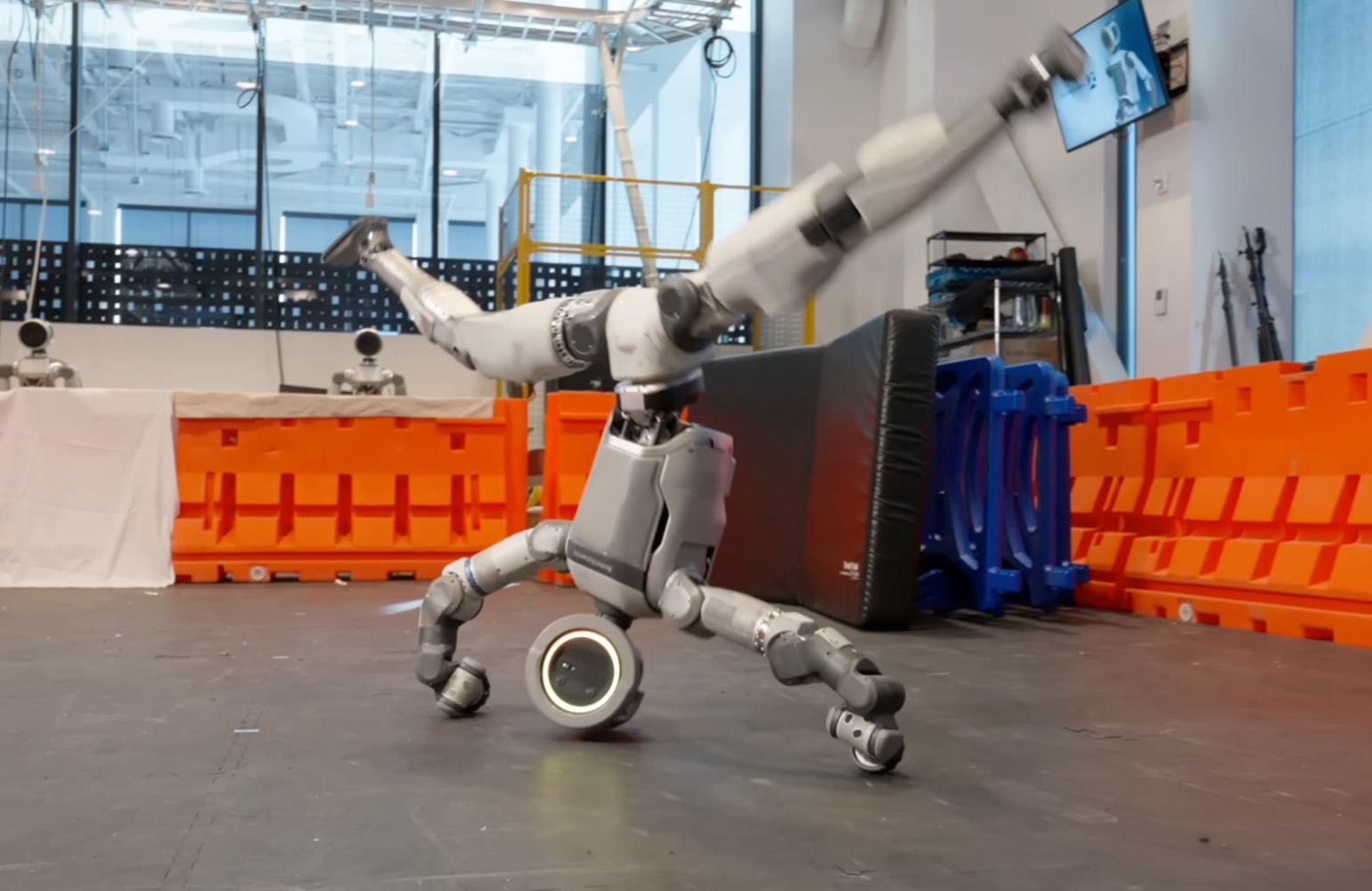
Robots have captured our imagination. We have seen humanoids balancing on one leg, doing backflips, folding laundry, and moving smoothly over difficult terrain. This is all behavior that only a few years ago seemed like something out of science fiction. These viral examples matter because they show that embodied AI has reached a new technical stage.
At the same time, the window on what qualifies as a “humanoid robot” seems to be shifting. Robot companies are adding wheels, more sensors, new manipulators, hats, and screens, while they take away eyes and heads from their humanoid robot designs.
As an engineering ecosystem working directly alongside humanoid developers to solve core hardware bottlenecks, we see a recurring theme. The industry frequently gets caught up in “robot-forward” thinking. We build an extraordinary physical platform first, then scour industrial sites for a task for it to perform.
If we want to move physical AI from social media feeds to a sustained commercial level, we must reverse our current approach. The industry needs a design method that works backwards from the workflow. Begin with a task that has economic value. Consider whether a robot can carry out that task better than a human can.
Then, go backwards to find out exactly what hardware, sensing capabilities, and form factor are actually needed to carry out the task.
Successful industrial robot forms follow their functions. Source: Vishay Precision Group Inc.
If you start by designing a platform, you will likely end up with a compromised hardware stack.
Source link