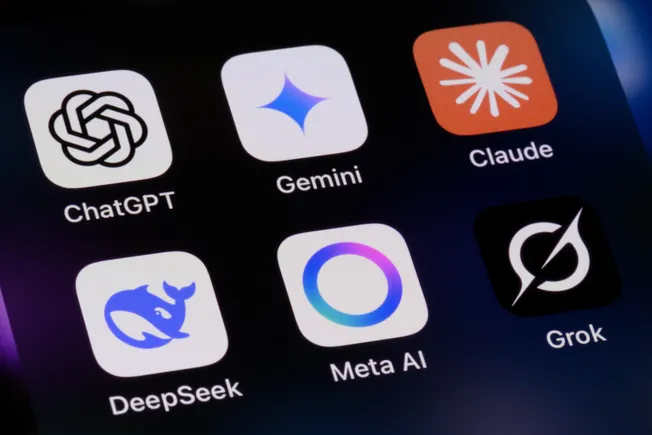
Despite the push to incorporate artificial intelligence into every aspect of social media and online life, the risks far outweigh AI’s narrow use case.
There’s no viable case for publicly accessible artificial intelligence tools, while the case against consumer AI is significant, and is widely being overlooked by profit-driven tech developers.
Social media platforms continue to roll out AI tools that generate images and posts, and create stickers, videos and even companions. But none of these use cases provides a net positive experience, and in fact, these scenarios all erode the value of social media as a connection and communication tool.
One example of this is the rise of AI slop, which has often been perpetuated by the platforms themselves as they add various tools to generate content. But now, the influx of AI-generated junk is causing platforms to reverse course, and even eradicate AI-generated material in the hopes of reducing slop overwhelm.
Last year, Pinterest added an option that lets users reduce the amount of AI-generated content that they see in their feeds, after users complained about the influx of AI slop overwhelming their Pin displays. More recently, LinkedIn allowed users to report AI slop. The platform said that it’s working to limit exposure for AI-generated content, despite the fact that LinkedIn also once gave users a button within the post composer that allowed them to use AI to generate a post on their behalf.
Both Pinterest’s and LinkedIn’s AI-limiting options are seeing heavy use , and other platforms may soon add similar restrictions, as AI-generated junk continues to flood social feeds.
Source link