eCommerce
- eCommerce2 hours ago
Domino’s Pizza Enterprises CEO seizes ANZ reins as Merrill Pereyra exits
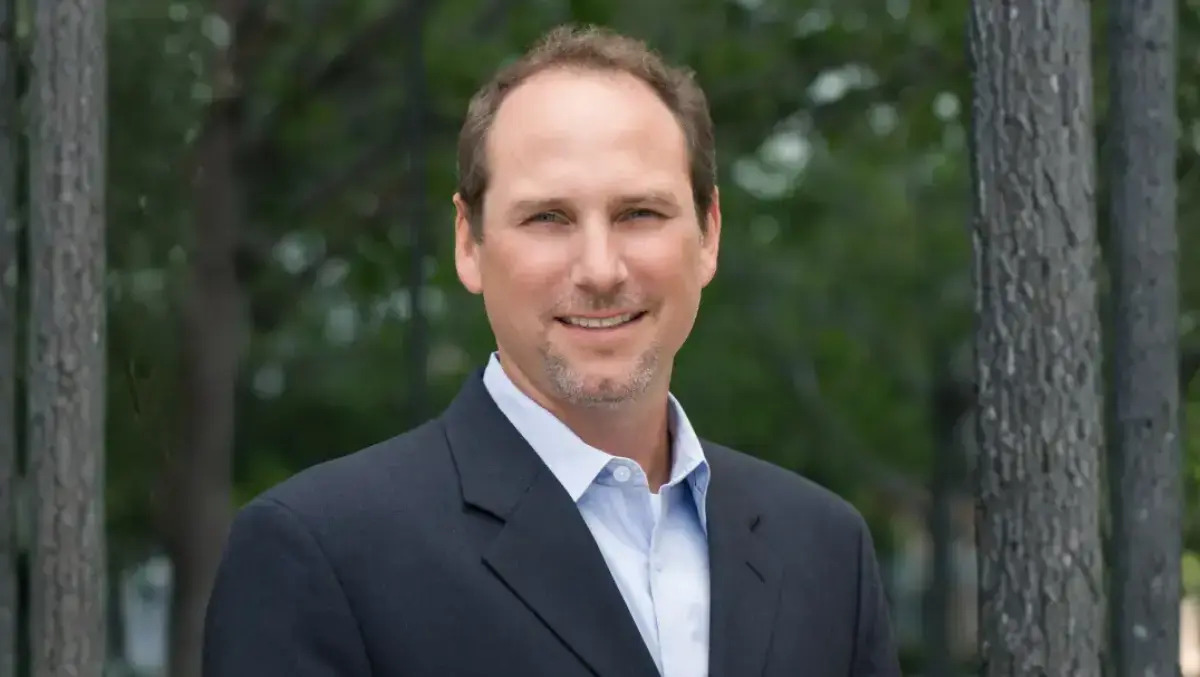
Domino’s Pizza Enterprises CEO and MD Andrew Gregory has taken direct control of the group’s Australia and New Zealand (ANZ) business, effective immediately, as the company accelerates its reset plan. The leadership change follows a mutual agreement between Domino’s and ANZ CEO Merrill Pereyra for Pereyra to leave the business. According to the company, Pereyra led the business through a key phase of Domino’s reset, which has focused on reducing costs, paying down debt, strengthening cash flow and improving franchise partner returns. “The reset has established a stronger foundation for the business and remains on track,” chairman Jack Cowin said. “Australia/New Zealand is critical to the Group’s success, and the Board supports Andrew taking direct responsibility to increase the pace of execution while maintaining a clear focus on sustainable, profitable growth for franchise partners.” Gregory brings decades of quick-service restaurant experience to the role, including as a former CEO of McDonald’s Australia. Domino’s is also searching for a new CEO to lead its ANZ business, with the existing leadership team continuing to support regional operations in the meantime. Pereyra was appointed to the role earlier this year and has more than 30 years of experience in the quick-service restaurant sector. His previous roles include regional leadership positions at McDonald’s and the CEO role at Domino’s Pizza Indonesia. The post Domino’s Pizza Enterprises CEO seizes ANZ reins as Merrill Pereyra exits appeared first on Inside Retail Australia .
- eCommerce3 hours ago
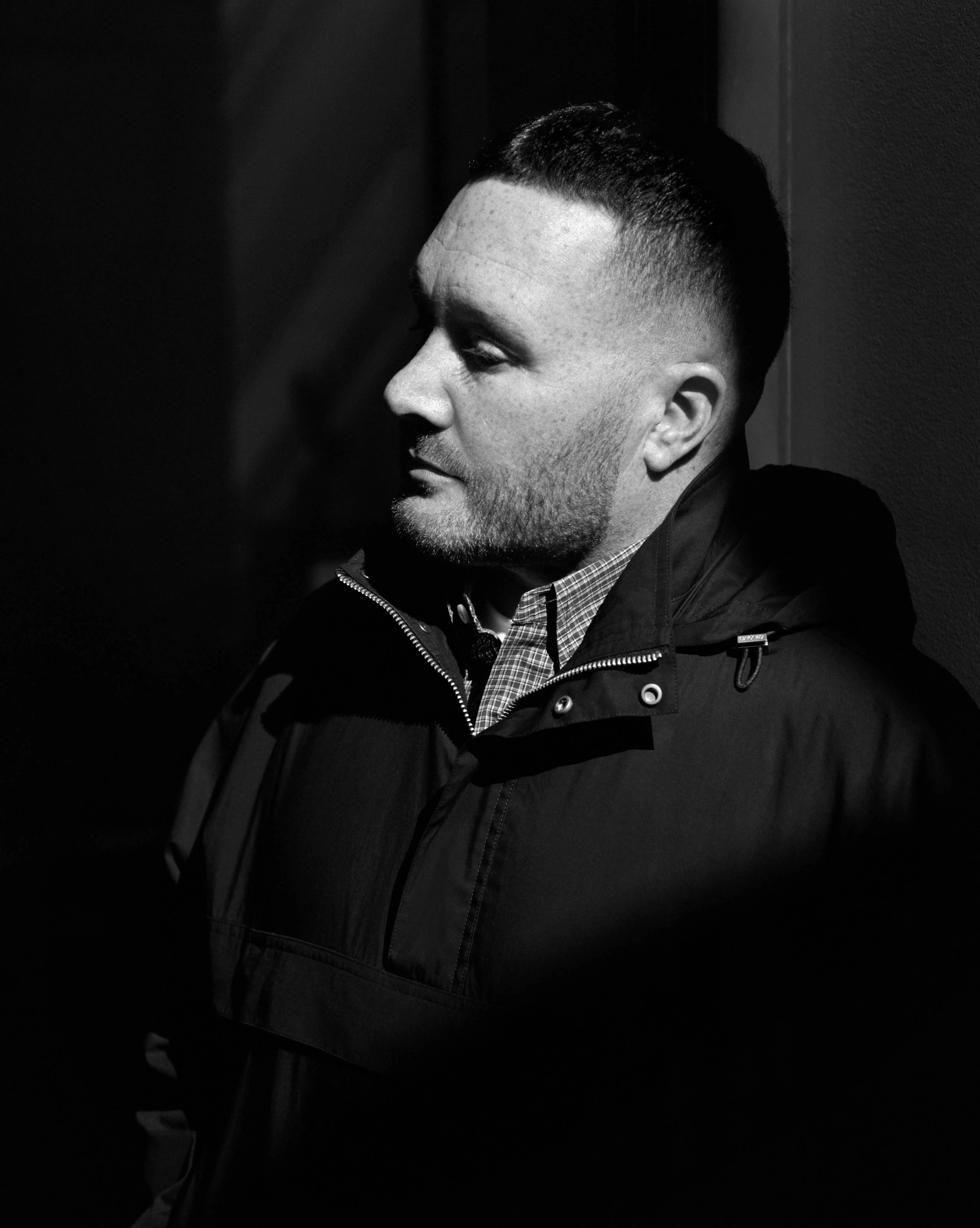
Designer Kim Jones Will Launch a Signature Label Made in Japan, and a Store in Hong Kong in 2027
The former artistic director of Dior Men is moving on and embracing his love of Asia with a new clothing and accessories label, and a first store set to open at Central Yards in Hong Kong in October 2027.
- eCommerce3 hours ago
Oeko-Tex Launches ‘Trust in Every Thread’ as EU Rules Tighten
The campaign highlights chemical testing and traceability in response to new European restrictions on sustainability labels.
- eCommerce3 hours ago
UOB & AWS plan hybrid cloud push for ASEAN banking
The pact could help UOB keep customer data within a Singapore cloud environment while meeting tighter banking rules across five ASEAN markets.
- eCommerce3 hours ago
AI in Retail is Only as Good as its Data Foundation
Retailers risk losing customer loyalty to AI agents unless they clean and enrich data, as BCG says GenAI browser traffic to US sites is up 4,700%.
- eCommerce3 hours ago
Nissin Recalls 82G Aburasoba Noodles over Undeclared Milk Allergen
Distributed by Sweets & Beverages Australia, the affected stock was sold in Victorian Asian grocery stores with a best-before date of December 8, 2026.
- eCommerce3 hours ago
Pakistan Textile Exporters Seek 6% to 8% Support Amid Export Slump
The Pakistan Textile Exporters Association warned of a steep decline in October-December shipments as sea freight charges surged up to 2.5 times.
- eCommerce3 hours ago
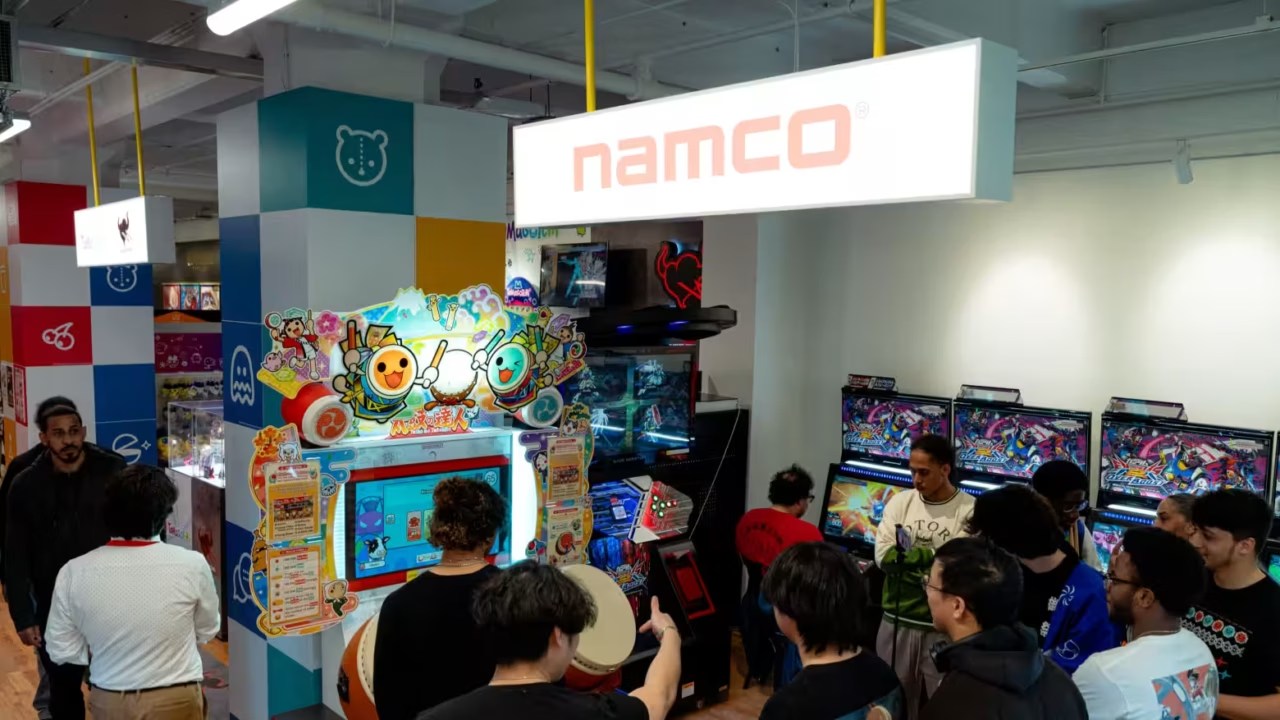
Bandai Expands Tamagotchi Licensing Across Asia Ahead of 30Th Anniversary
Cross-sector licensing deals in fashion, cosmetics and K-pop take the Japanese digital pet brand beyond hardware sales in China and South Korea.
 SponsoredAjio Gram
Get an Extra 5% Off – Save Up to ₹650 on Orders of ₹1290!
- eCommerce3 hours ago
Singapore Bakery Big Mouth Bakehouse Shuts Down Nine Months After Rebranding
The business behind the former Fluff Bakery ceased operations after struggling with accumulated debt, rising operating costs and weak retail sales.
- eCommerce4 hours ago
FedEx expands import tool across Asia Pacific with payments
Importers in nine Asia Pacific markets can now clear shipments and pay duties and taxes in one place as border delays intensify.
- eCommerce4 hours ago
How can Thailand escape years of sluggish growth?
Ekniti Nitithanprapas was a young graduate student in the United States when Thailand devalued the baht in 1997, setting off the Asian financial crisis. A loan from the International Monetary Fund and a raft of recovery measures helped Thailand find a way out of the economic morass. Almost 30 years on, Bangkok will next week host the annual meetings of the IMF and World Bank and Ekniti, now Thailand’s finance minister, is looking to steer the economy through a new challenge: how to escape years of sluggish growth. “After the financial crisis, our investment-to-GDP has declined to around 22 per cent to 23 per cent at the moment. So that’s why our growth momentum has been so slow,” Ekniti told Reuters in an interview. “After I took the position as finance minister, I put it at the top of my agenda to push investment-led growth policies.” Ahead of the Bangkok meetings, IMF Managing Director Kristalina Georgieva warned the global economy was under threat from persistently high energy prices, record public debt and risks from the AI investment boom – all factors for Thailand, where the public debt-to-GDP ratio is nearing the official ceiling of 70 per cent. “Holding up better” Thailand, Southeast Asia’s second-largest economy, has grown by an average of only 2.34 per cent a year over the last five years, lagging regional peers that have recovered more swiftly from the pandemic. Ekniti last month outlined a plan to hit 3 per cent growth within three years by drawing foreign investment into key sectors such as semiconductors, data centres and advanced manufacturing, including electric vehicles. A net energy importer, the country is also investing in renewables as it seeks to develop such resource-hungry industries. Thailand’s central bank, however, has a more conservative view, putting the economy’s potential growth rate at 2.7 per cent, a level it says could take at least four years to reach. Despite headwinds, including a thorny household debt problem, sliding tourism ar
- eCommerce4 hours ago
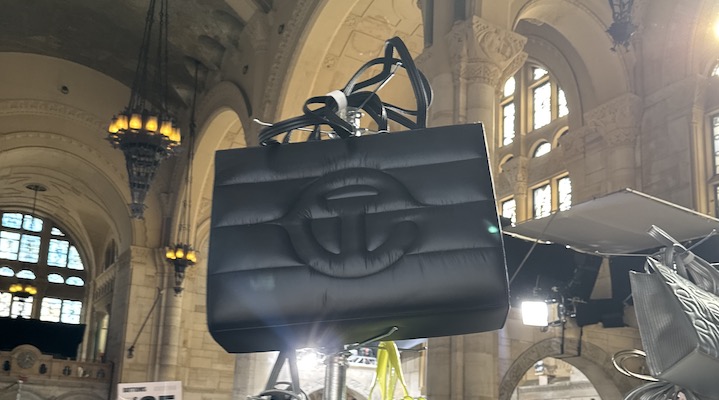
Why does Telfar inspire such fierce customer loyalty?
How do you build a brand so popular it inspires shoppers to line up at midnight just to get their hands on a piece? Telfar, a New York-born-and-raised brand, prompted fashion commentators and retail experts to ask that question this month as social media captured the hectic turnout for its multi-day sample sale. The deal ran from October 6 to October 11 at One Hanson Place, an Art Deco skyscraper, with several shoppers reporting waits of at least five hours to get in. Many attendees were hoping to buy one or more Telfar Shopping Bags, among the brand’s best-selling products. Often called the “Bushwick Birkin”, the bag’s nickname nods to the designer’s first studio in Brooklyn’s Bushwick neighborhood. Brand strategists attribute Telfar’s popularity to its accessible pricing, strong visual identity and the founder’s tongue-in-cheek marketing. A medium-sized version of his signature bag retails for roughly $200. How Telfar leans into culturally-centered storytelling moments Telfar Clemens, a Liberian-American fashion designer born in Queens, New York, is known for his distinctive, often cheeky approach to engaging with a community that has grown steadily since he launched the brand in 2005. For example, on July 16, Telfar posted a screenshot of a faux Business of Fashion article with the dramatic headline, “Breaking News: Telfar is Downsizing”. In the post, the brand stated, “Facing the pressures of tariffs, shrinkflation and industry-wide declining interest in black-owned business, Telfar is saddened to announce that on July 17th 2026, we will be severely downsizing. The cut-backs represent a 90 per cent overall reduction in scale from our smallest previous offering, resulting in profound loss in total capacity.” The post was a mischievous way to announce the launch of bag charms: miniaturized versions of the Shopper tote. In September, Telfar again attracted media attention with a faux New York magazine cover headlined “Is Telfar wrong to leave New York?” The move im
- eCommerce4 hours ago
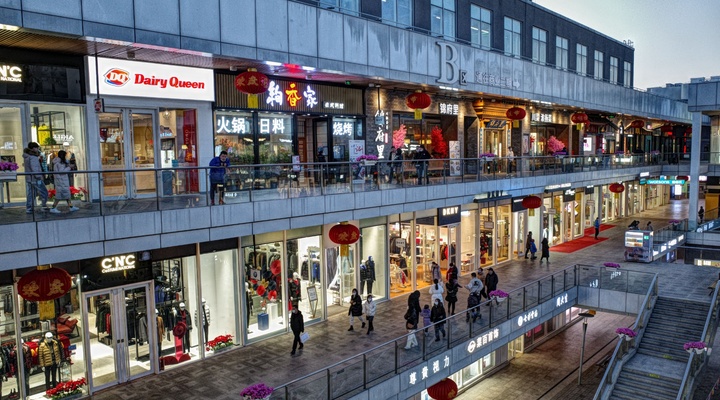
Why are Chinese retailers looking overseas for growth?
China’s National Bureau of Statistics, which pumps out the country’s economic data, has a big job, even though it has about 100,000 staff nationwide to do it. In an economy as large as China’s that includes a still huge informal sector, figuring out which direction any particular economic metric is heading, much less quantifying it accurately, is daunting. This certainly applies to retail sales, so after months of reporting that sales are skidding close to zero growth, it is no longer possible to ascertain if there is in reality any growth at all. Interestingly, the Bureau doesn’t present its retail stats with a margin of error, but simply puts out a point estimate. This effectively means that with growth rates as low as they are currently reporting, we don’t know if growth is, in reality, above or below zero. The figures are further muddied by the fact that local and provincial governments have frontline roles in compiling the information for their own jurisdictions before on-reporting to Beijing, and there are incentives for them to make sure the numbers are “according to plan”. Considering that there are more than 3,000 county, prefecture and provincial-level officials involved in the data collection process, the opportunities for mistakes, both intentional and otherwise, seem endless. The chances are that China is already in, or close to, a retail recession. If we suspend all our disbelief and take the government’s numbers verbatim, about the best you can say is that things are not improving. In August, the growth rate was 0.4 per cent year-on-year. Excluding automobiles, sales rose by 2.5 per cent. There’s the first clue to the problem right there: auto sales are tanking in value terms as domestic carmakers flood the market with new models, resulting in price wars. You’d think that a price war might result in higher unit sales but this hasn’t eventuated for other reasons, including the expiry of some government tax breaks, weak consumer confidence and elevated
- eCommerce4 hours ago
Two weeks on, how are retailers absorbing card surcharges?
At Umina Beach Book Nook on the NSW Central Coast, the great Australian card-surcharge upheaval has so far produced a fairly straightforward result. “We’ve had questions about the surcharge. We have always absorbed the costs. So no price changes at the Book Nook,” owner Kate Toon wrote on social media. Since October 1, retailers can no longer add a separate fee when customers pay by card. However, the cost behind that surcharge has not disappeared. Every time a customer taps or inserts a card, the retailer typically pays a merchant fee to its bank or payment provider to process the transaction. Until the start of this month, some businesses passed that cost directly to customers through a card surcharge. The RBA’s ban removed that option, leaving retailers to absorb the fee themselves or recover it elsewhere through their pricing. “We have set a minimum transaction fee for cards of $5. Even that has annoyed some customers,” Toon told Inside Retail . “It’s all just hard; margins are already so tight it’s just another nail in the small business coffin.” The fee with nowhere to go Across NSW, retailers and hospitality operators are coming to different conclusions. Sydney cafe owner Philip Barbaro told the ABC his group pays about $150,000 a year in merchant fees and has increased prices on some menu items while leaving coffee untouched. “Now that is a big hit to my business,” he said. Jamaican Patty Bakehouse owner Chris Skuce has absorbed the charge for now, but expects prices to rise in the new year. “Another hit to the bottom line and completely unnecessary in my opinion.” Merchant charges aren’t uncommon when accepting payment, but smaller businesses lack the purchasing power of national chains when negotiating them. Retail consultant Trent Rigby says small businesses pay, on average, around three times what large businesses pay to accept cards. Larger retailers have generally incorporated these costs into prices for years. For smaller merchants, however, margins a
- eCommerce4 hours ago
GUEST COMMENT Social: the retail channel FMCG can’t live without
Tom Sneddon, head of social at House of Communication, looks at how social channels have democratised brand discovery – and what FMCG brands can do to ensure they make a genuine impact on these channels. Social is reshaping the FMCG retail journey after being on its own voyage of maturity. It’s 22 years old now; it can drink, it can drive and has more than earned its place as a key retail channel. Only a few years ago, social was seen as somewhat wayward, unpredictable and unruly. Sure, it could deliver spikes in attention, going as far back as 2013 and Oreo’s ‘dunk in the dark’ viral tweet at Super Bowl XLVII when the brand’s social team leapt on the power outage moment. But it has evolved to become an essential part of the complex retail ecosystem. It drives behaviours, tastes and demand before people walk into a store or shop online and reflects the overall shape shifting of the once linear shopping funnel. Emarketer’s survey of food and beverage buyers last year showed 53.3% of respondents said they had discovered new products on social media. The on and off ramps for consumer engagement and conversion have multiplied. Including social in the mix is a smart and strategic way for brands to orchestrate interest, intrigue and inspiration. Social touchpoints and the communities that form there can help customers navigate the fractured, non-linear journey while building confidence in their choices. To put it another way, social has pulled the rug from under the old order of retail. It has democratised brand discovery, removing the choke point where brands compete for preference at the point of purchase. Social can tap into new, unexpected audiences FMCG is well-suited to the agility of social. Outside of grocery staples, purchases are not based heavily on predetermined choices and, while the cost of living is a consideration, most brands are still not a big investment. People are willing to experiment, and social is having an astronomical impact on prefer
- eCommerce5 hours ago
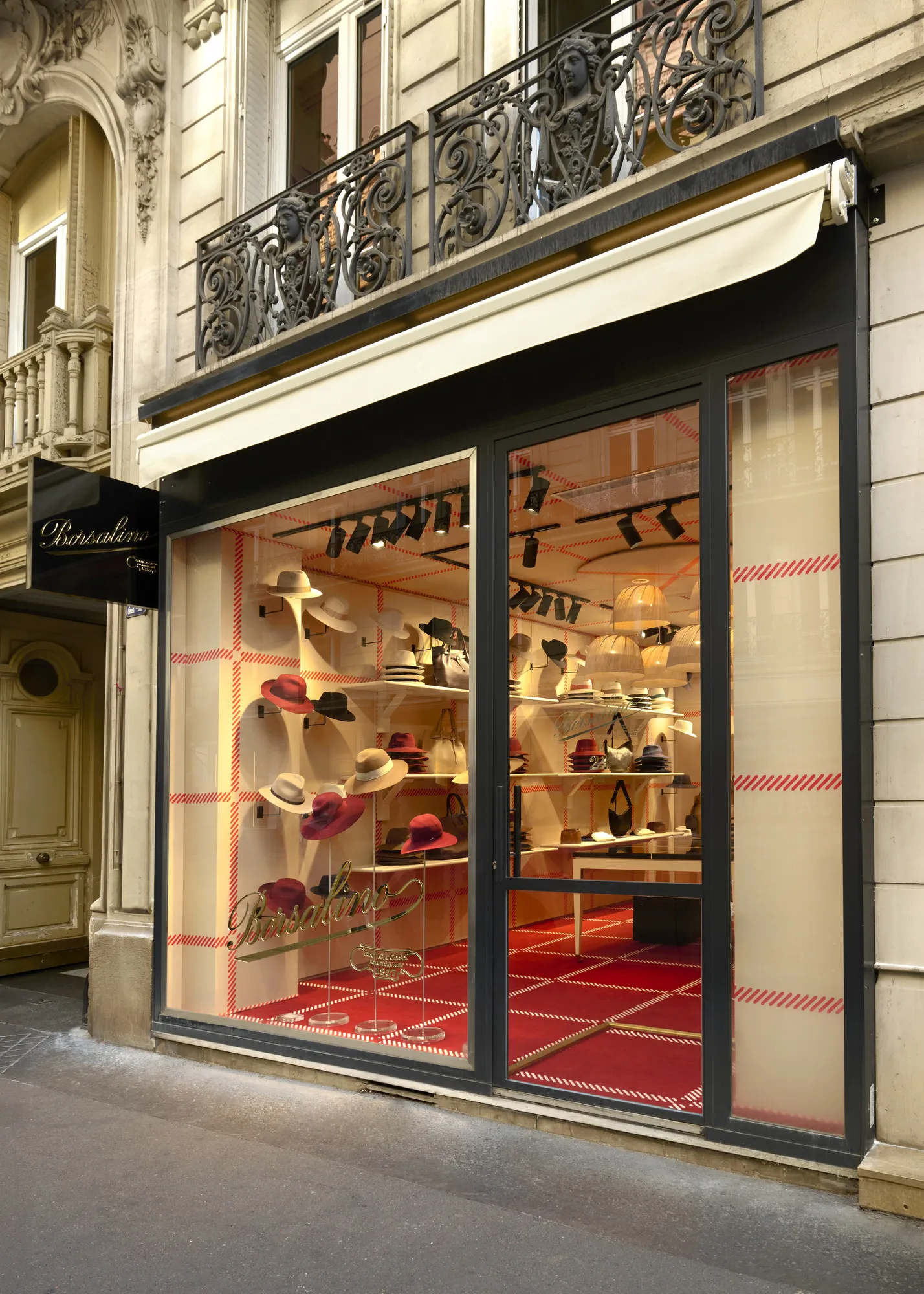
Borsalino Opens in Paris as It Plots Next Phase of Global Growth in China, U.S.
A Shanghai unit recently opened, with stores in Beijing and Shenzhen in the works.
 SponsoredWellbeing Nutrition
Sleep Better, Live Better: Premium Quality Supplements Starting at Rs. 649!
- eCommerce5 hours ago
Le Bon Marché Will Bring Japanese Fashion Archives to the Auction Floor
The Paris retailer is partnering with curator Pénélope Blanckaert to host an exhibit and its first live auction centered on Issey Miyake, Yohji Yamamoto and Rei Kawakubo.
- eCommerce5 hours ago
Kering and LVMH Strengthen Model Protection Charter with New Industry Standards
THE WHAT? Kering and LVMH have strengthened their joint charter governing models’ working conditions, introducing stricter protections against harassment and abuse, alongside new age, inclusion and workplace safety requirements. THE DETAILS Building on the charter introduced in 2017, the luxury groups have established a minimum age of 18 for models representing adults in fashion shows and photo shoots, extending Kering’s existing policy and raising LVMH’s previous minimum of 16. The revised framework introduces zero tolerance for harassment, abuse and violence, supported by mandatory awareness initiatives, enhanced monitoring, confidential reporting procedures and unannounced workplace audits. Additional safeguards cover situations involving nudity or partial nudity, including prior formal consent, dedicated spaces and restrictions on models being left alone with production staff. The charter also reinforces inclusion and non-discrimination in casting. The new requirements will take effect from Paris Fashion Week in 2027. THE WHY? The strengthened charter raises workplace protection and compliance standards across the luxury industry, placing greater responsibility on brands, modelling agencies, casting directors and production teams to safeguard models and maintain consistent working practices. Source : Kering The post Kering and LVMH Strengthen Model Protection Charter with New Industry Standards appeared first on Global Cosmetics News .
- eCommerce5 hours ago
Superdrug Calls for Stronger Regulation of UK Aesthetics Industry
THE WHAT? Superdrug has partnered with Save Face to launch its Back Street To High Street campaign, calling for stronger clinical standards, practitioner qualifications and regulatory oversight across the UK non-surgical aesthetics sector. THE DETAILS Consumer research commissioned by Superdrug found that 53 percent of respondents want stronger regulation and licensing of aesthetics clinics and practitioners, while 52 percent prioritise approved products and equipment and 51 percent consider appropriate medical qualifications essential. A further 63 percent believe responsibility for treatment safety should rest with government regulators or professional medical bodies. The campaign focuses on face-to-face consultations and cooling-off periods before procedures such as dermal fillers and Botox. Save Face reports that 68 percent of complaints received by the organisation involved a lack of face-to-face consultation. Superdrug is positioning its Aesthetics Clinics as a clinically governed high street service, with qualified healthcare professionals and accreditation from the Joint Council for Cosmetic Practitioners and Save Face. THE WHY? The campaign highlights increasing pressure for regulatory reform and professionalisation within the UK aesthetics industry, with implications for clinic operators, treatment providers, product manufacturers and retailers expanding into non-surgical cosmetic procedures. It also reinforces the growing role of established health and beauty retailers in the delivery of regulated aesthetic services. Source : Maven Comms The post Superdrug Calls for Stronger Regulation of UK Aesthetics Industry appeared first on Global Cosmetics News .