EV & Mobility
- EV & Mobility1 hour ago
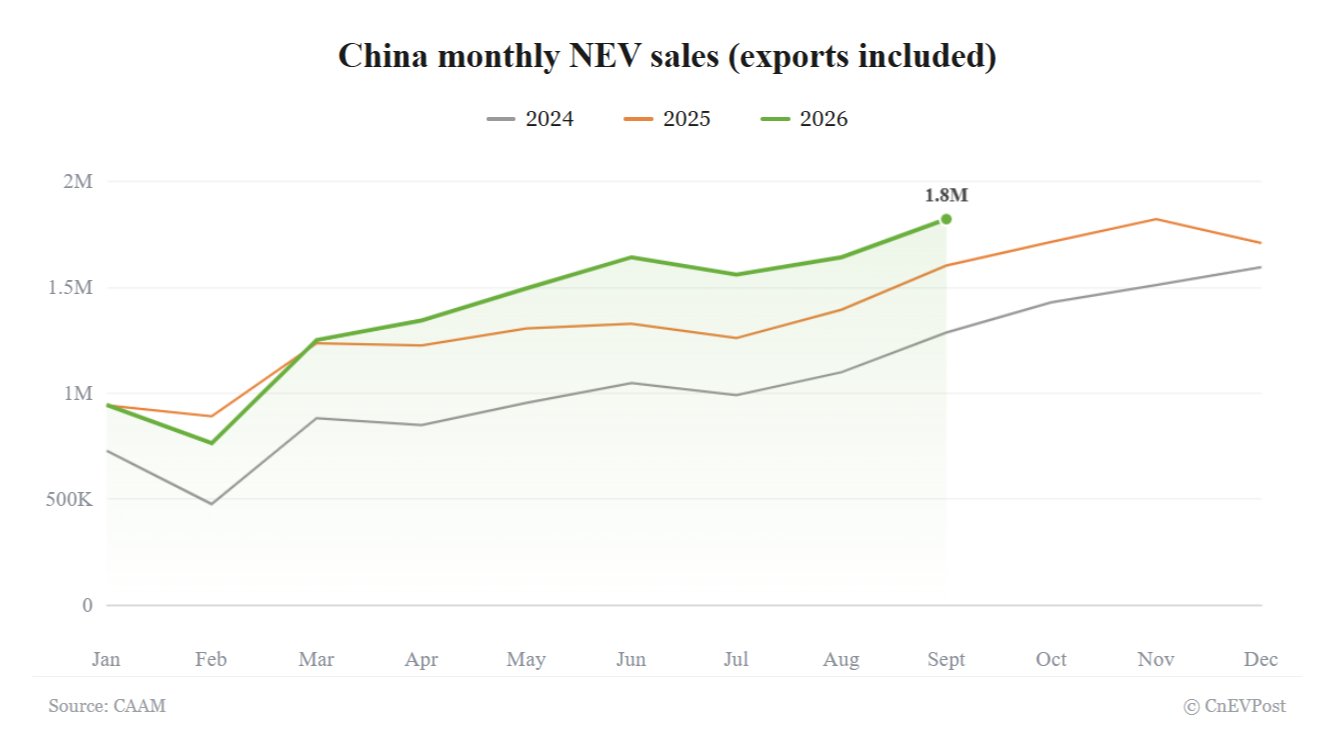
China NEV sales hit year-to-date high in September as export surge offsets domestic decline, CAAM data shows
China's NEV sales rose 13.6% year-on-year to 1.823 million in September, with BEV sales reaching a record 1.277 million. For details, please visit CnEVPost (cnev.co).
- EV & Mobility2 hours ago
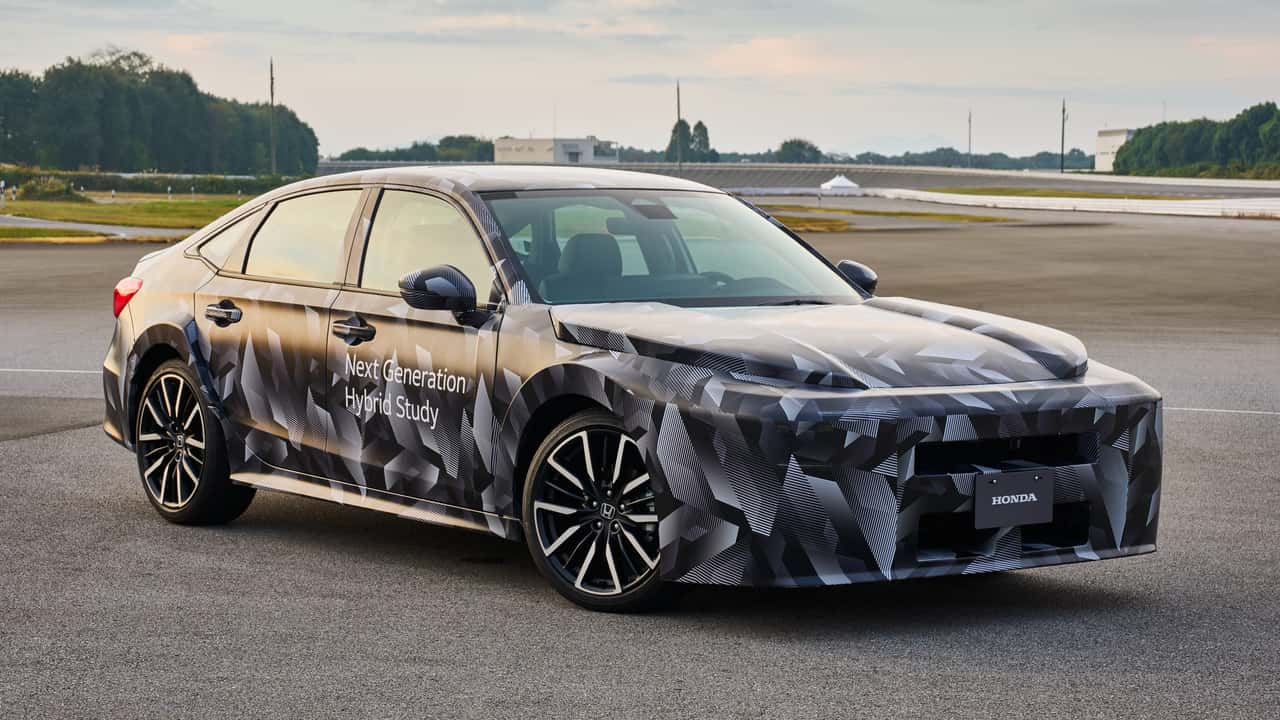
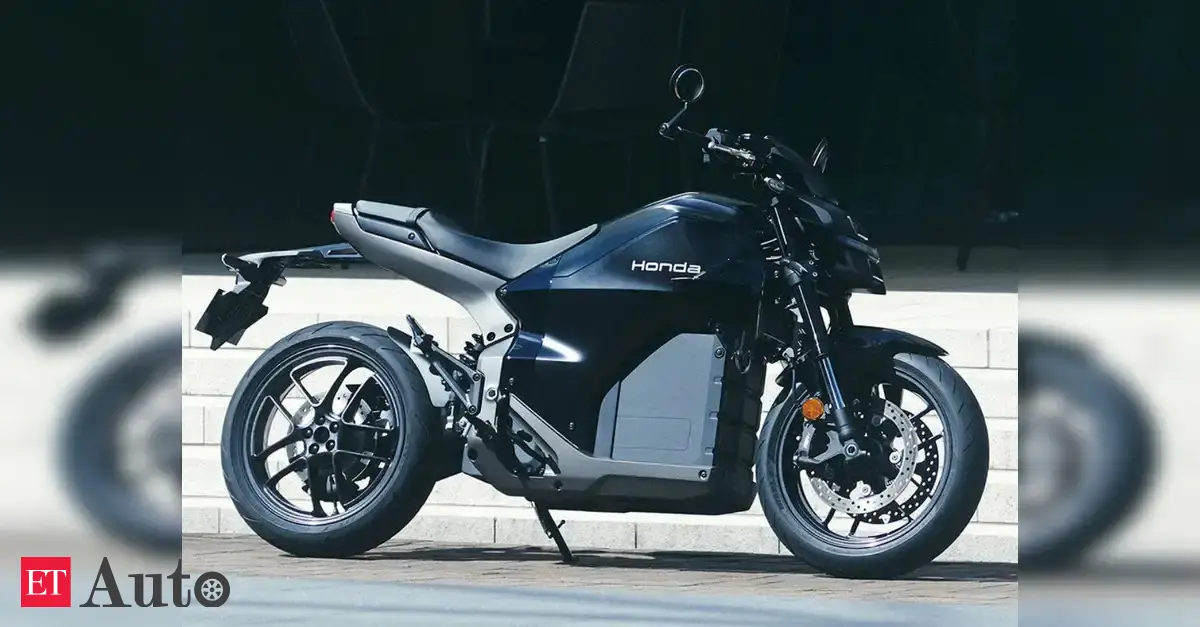
Honda Reveals The Name And First Details Of Its Next-Generation Hybrid System
Honda Hybrid launches globally in 2027 on a lighter, stiffer platform with Motion Management System and a newly developed electric all-wheel drive.
- EV & Mobility2 hours ago
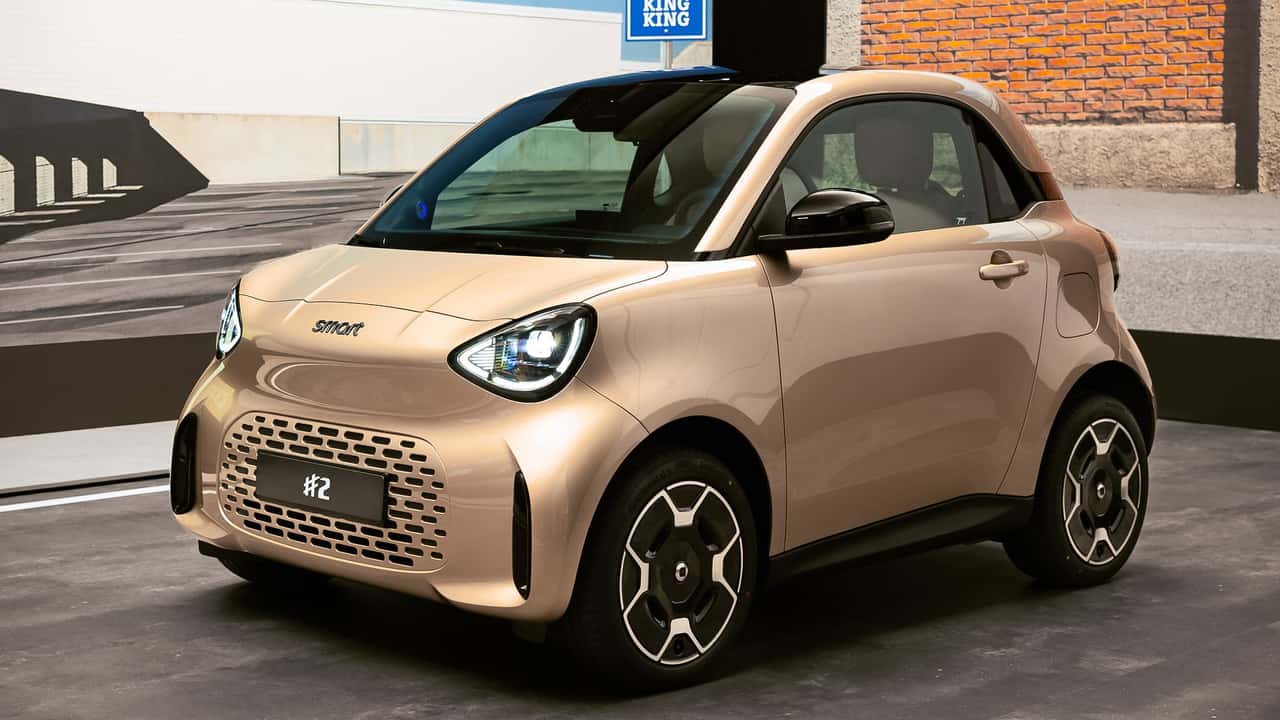
The New Smart #2 Nails The City Car Formula
A breath of fresh air in a world suffocated by increasingly larger cars.
- EV & Mobility2 hours ago
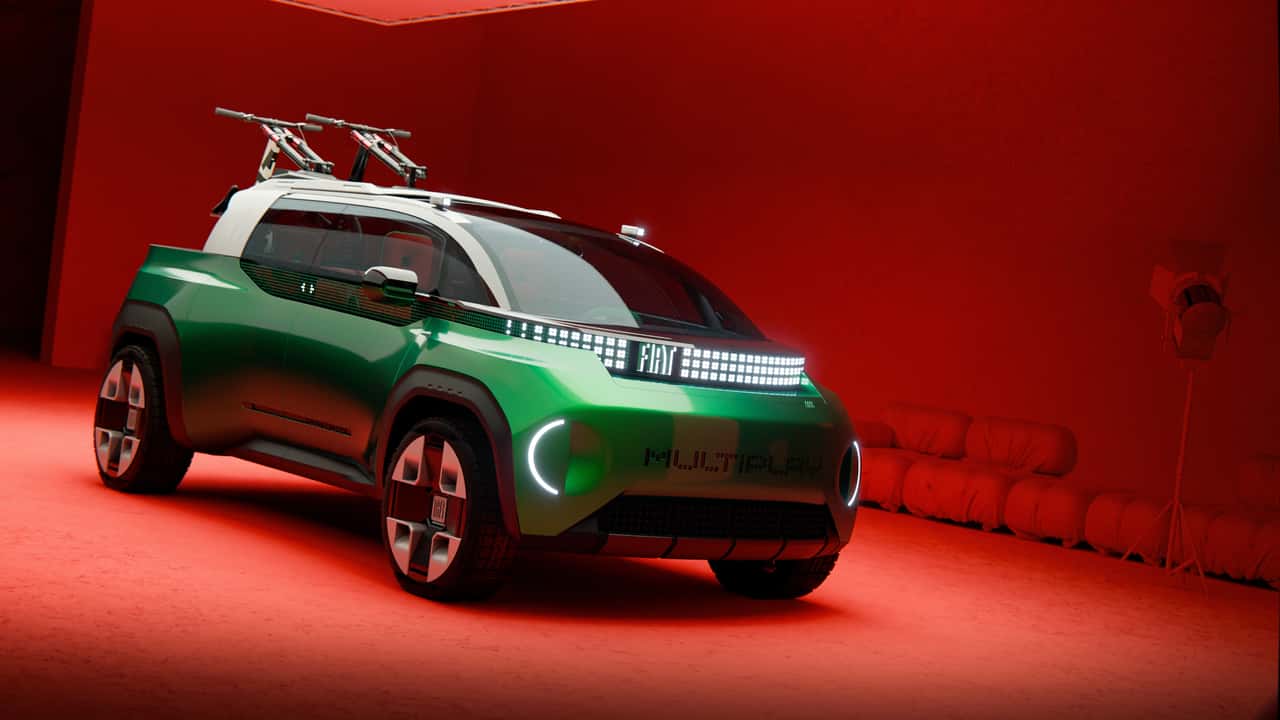
The Fiat Multipla Is Back—And It’s A Pickup, A Minivan, And An SUV
The Multiplay concept has a sliding rear section that transforms the body from SUV to truck in no time.
- EV & Mobility2 hours ago
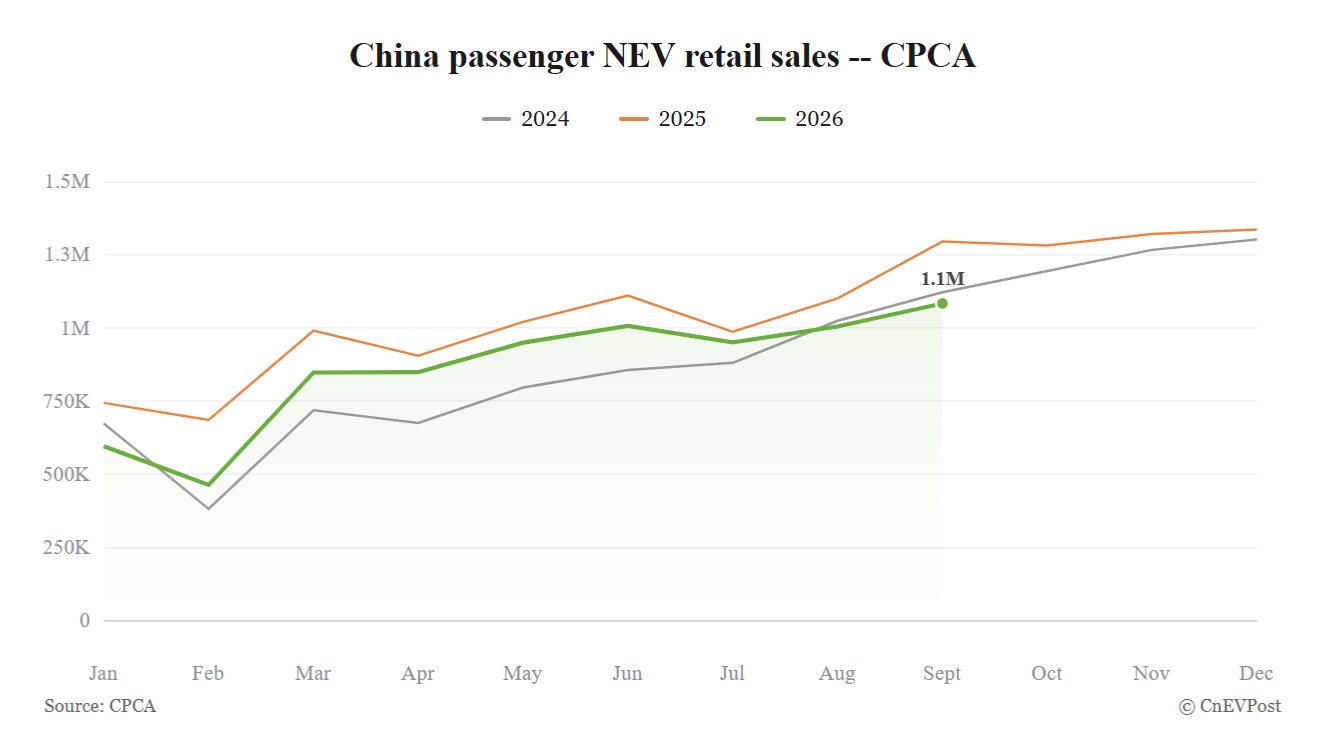
China September NEV retail sales fall 16.7% as penetration hits record 67%, CPCA data shows
China's NEV retail sales totaled 1.084 million in September, down 16.7% year-on-year for a ninth consecutive monthly decline. For details, please visit CnEVPost (cnev.co).
- EV & Mobility3 hours ago
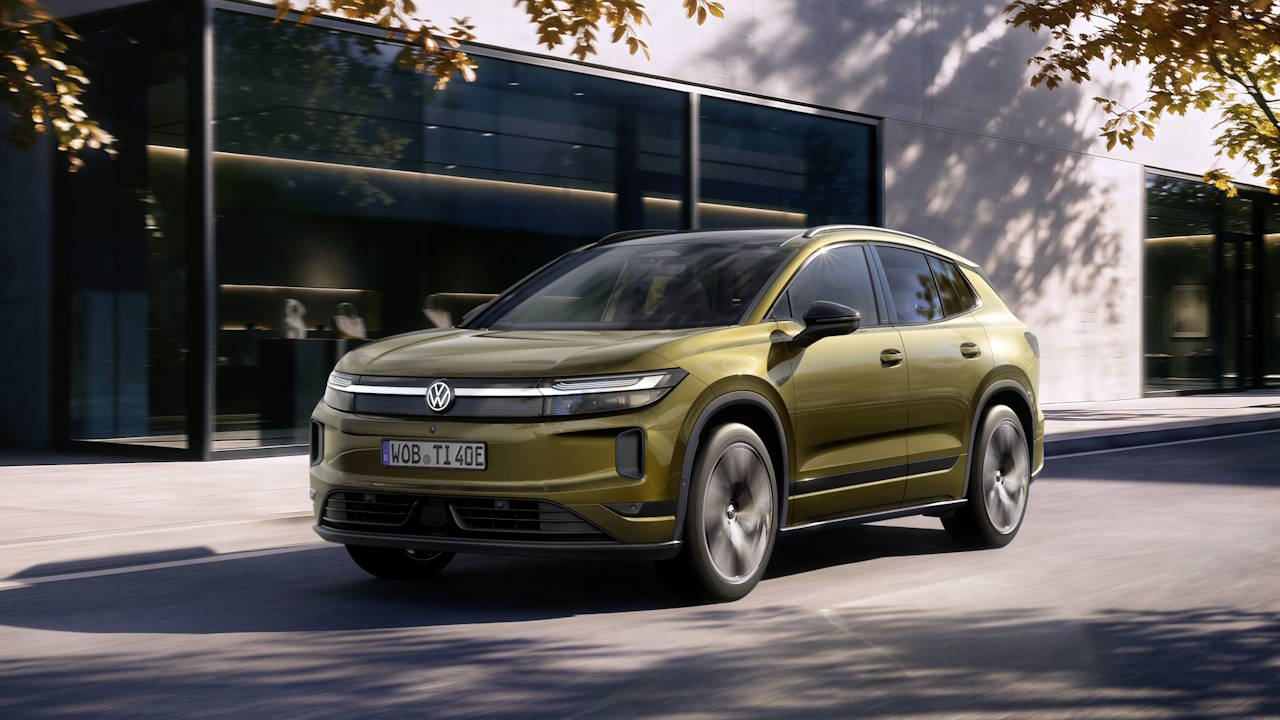
Volkswagen officially unveils electric version of best-selling Tiguan, with range of up to 600 km
Volkswagen has officially taken the wrapping off the ID. Tiguan, an electric version of its best-selling car that it boasts is one of its most important new models. The post Volkswagen officially unveils electric version of best-selling Tiguan, with range of up to 600 km appeared first on The Driven IO.
- EV & Mobility3 hours ago
For Honda, India will be pivot point for its cars, 2-wheelers
Right from its strengths in competitive costing to high quality, India is now a strategic global hub for the Japanese automaker.
- EV & Mobility3 hours ago
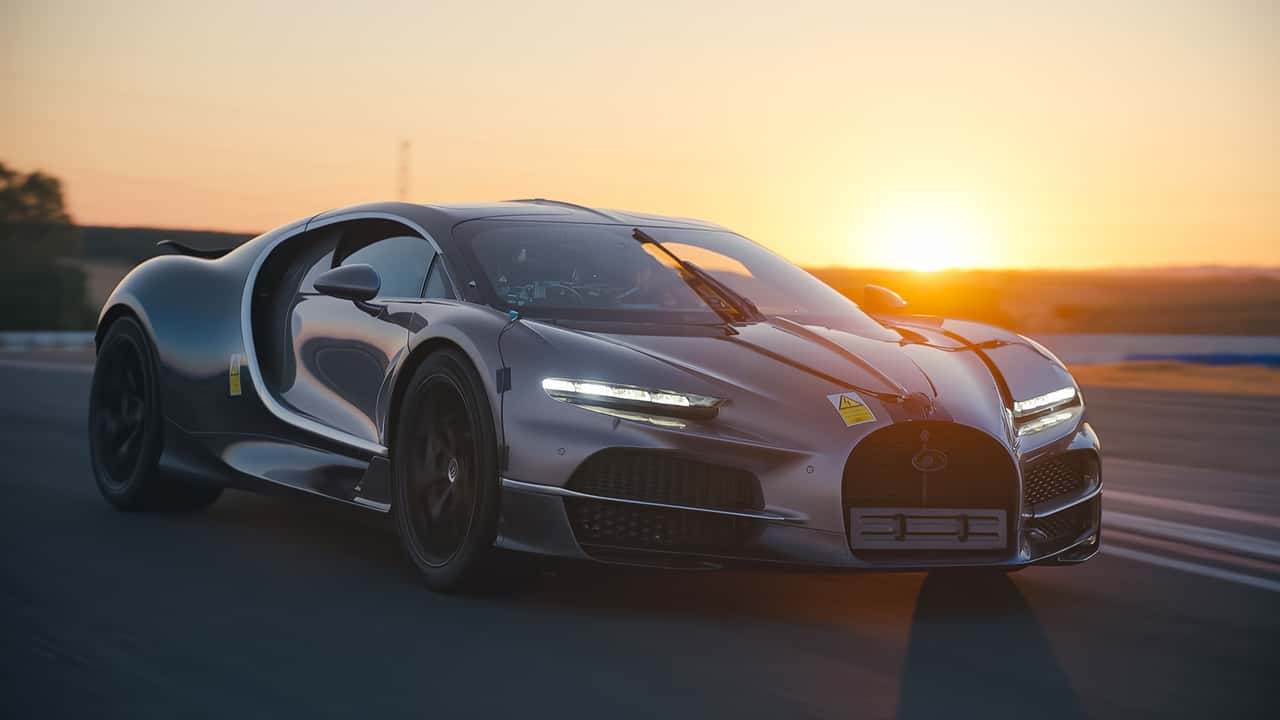
Bugatti’s 1,800-HP Tourbillon Shrugs Off Scorching Heat
Engineers push the Bugatti Tourbillon through Spain, Dubai, and Sweden to prove its cooling, climate control, and hybrid systems work in brutal conditions.
 SponsoredAjio Gram
Get an Extra 5% Off – Save Up to ₹650 on Orders of ₹1290!
- EV & Mobility3 hours ago
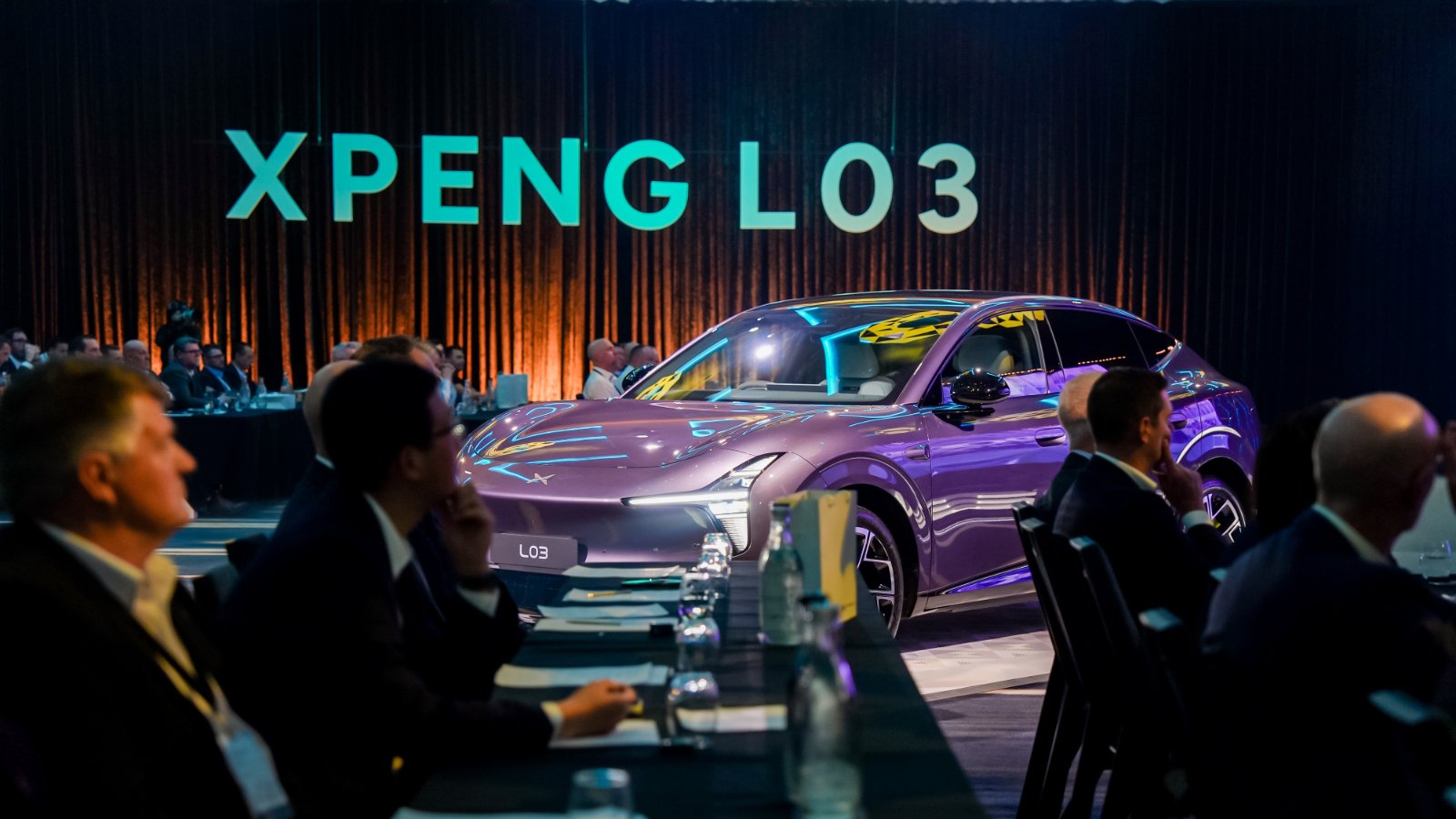
Xpeng steps up Australia, New Zealand push with Mona L03 launch
Mona L03 SUV is Xpeng's third model in the 2 markets, following the G6 SUV and X9 MPV. For details, please visit CnEVPost (cnev.co).
- EV & Mobility4 hours ago
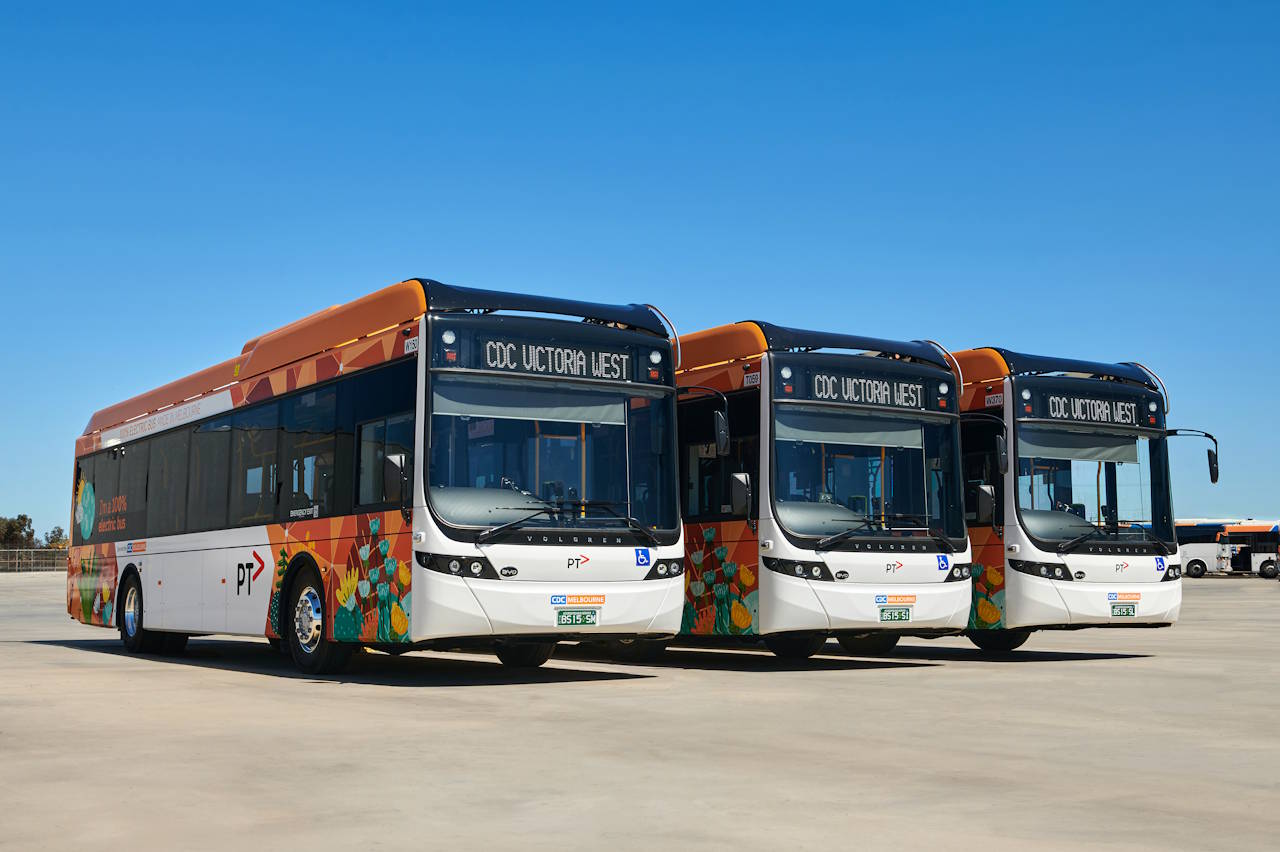
New depot capable of charing at least 130 electric buses planned for Australian city’s western suburbs
A proposed electric bus depot in Melbourne’s West announced this week will feature charging infrastructure for over 130 electric buses and room for future growth. The post New depot capable of charing at least 130 electric buses planned for Australian city’s western suburbs appeared first on The Driven IO.
- EV & Mobility4 hours ago
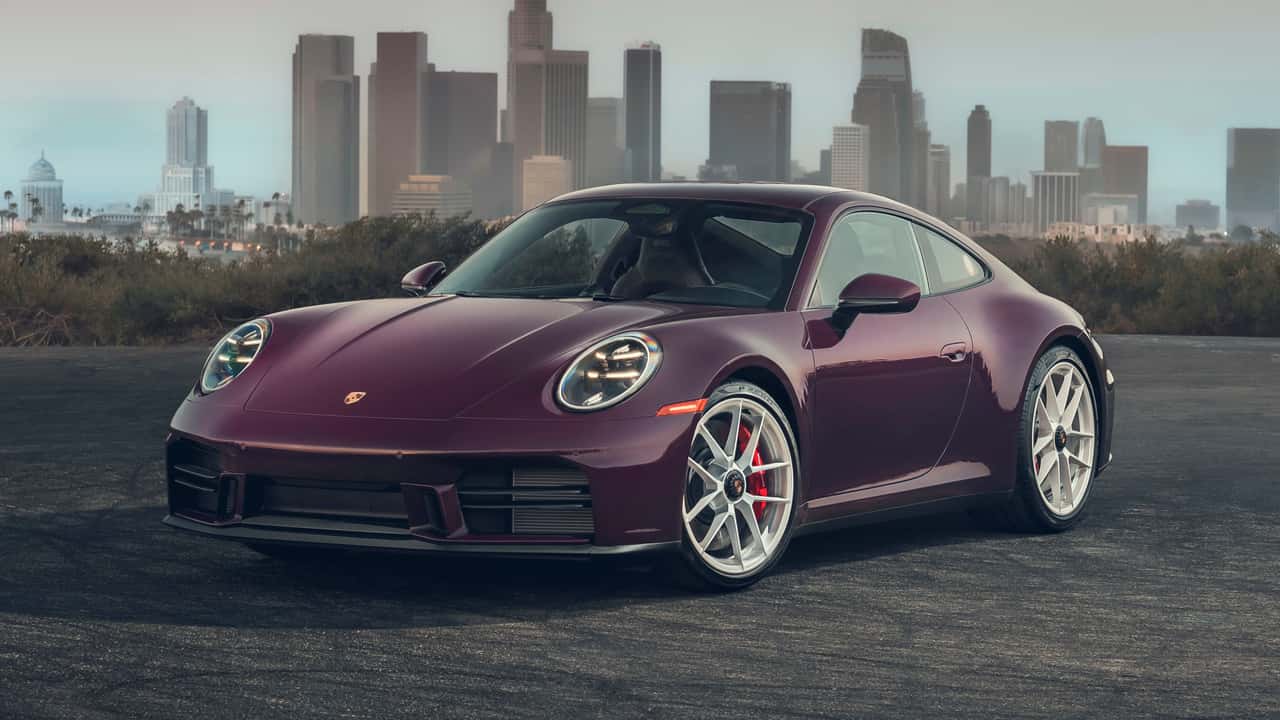
Porsche Sales Keep Falling, But The 911 Is More Popular Than Ever
Nine-month figures show Porsche volumes shrinking while 911 deliveries climb 12 percent, reflecting a push toward higher-margin sports cars and variants.
- EV & Mobility4 hours ago
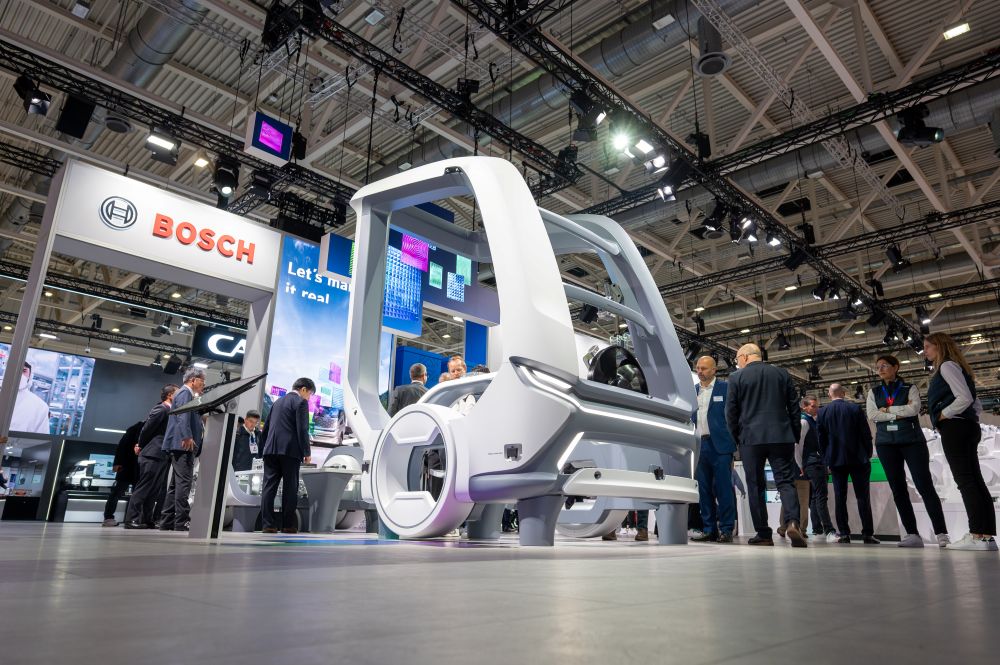
Bosch Brings Software-Defined Thinking to Trucks
Bosch arrived at IAA Transportation 2026 with a clear message; the truck of the future will run on software. Its central vehicle computers bring cockpit, motion, energy and body functions together, allowing quick over-the-air updates. For cleaner freight, the company offers every route, from a rigid e-axle for 18 to 49-tonne trucks to fuel cell systems of up to 300 kW and hydrogen engines. Safety gets smarter too, with drowsiness detection built into digital side mirrors, an AI-powered camera and a new radar from 2027. At the show, the company laid out its plan to bring the software-defined vehicle from passenger cars to trucks, with powerful central computers running steering, braking, powertrain and safety systems as one connected team. According to a couple of company officials, the reason is that engineers are still making parts lighter, stronger and more efficient, but every component eventually reaches its physical limits. Steering and powertrain systems are already very advanced, so the future gains, from hardware alone will be small steps. Software, on the other hand, can coordinate many technologies inside a vehicle “with one intelligence.” Today, almost every system in a truck has its own electronic control unit (ECU), and their number has grown rapidly. To manage this, the industry is shifting towards fewer but more powerful computers. The first step is domain and zonal architectures, in which high-performance computers (HPCs) take charge of entire areas of the vehicle, such as the body, infotainment, powertrain, braking, steering, chassis and trailer. A single central computer may follow one day, though that is still far off. Bosch already offers its latest HPCs in passenger cars, powered by NVIDIA’s newest Thor chip, and plans to bring the same technology to trucks. This also needs faster in-vehicle networks such as Ethernet, since traditional CAN connections can be too slow, they explained. The payoff is lower running costs. Wh
- EV & Mobility4 hours ago
Tesla’s mirrorless Cybercab will give riders a visibility upgrade
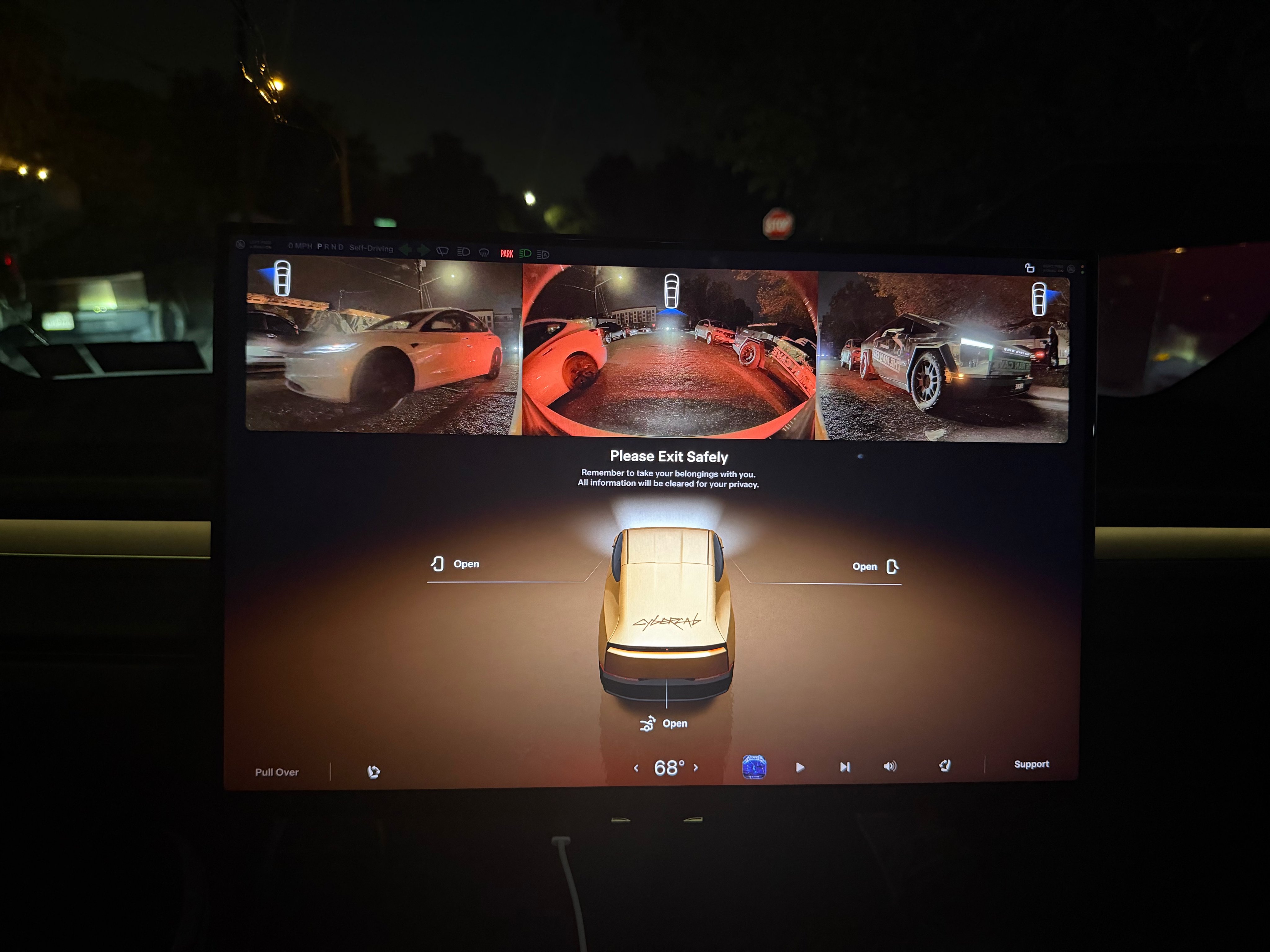
Tesla is working on a Cybercab update that would let passengers pull up the vehicle’s rear and side cameras on demand, and the request came straight from a rider. The exchange played out on X late Friday. Cybercab rider Dan Burkland shared photos of the two-seater’s cabin screen after an evening ride, praised the UI team’s work, and left one request: let riders open the rear and repeater cameras whenever they want, “especially for peace of mind.” Tesla UI software engineer Evan (@CarCoder) answered with two words: “In development.” The Tesla UI team absolutely crushed it with the infotainment software. Nicely done @CarCoder! One feature request: Allow folks to pull up the rear & repeater cameras on demand. This would be great especially for peace of mind. https://t.co/mNAOSLx6pE — Dan Burkland (@DBurkland) October 10, 2026 The idea fits a pattern Teslarati has tracked since public rides began. Days after paid Cybercab service opened in Austin, Tesla sent riders a survey that asked them to rate the touchscreen, the app and the cabin, and to pick the features they wanted most. We reported on that survey in September , and a camera view is the kind of small software change Tesla can push quickly if riders keep asking. It also speaks to something unique about the vehicle. With no steering wheel, no pedals and no driver, passengers have no mirror to check and no way to see behind them. The hardware is clearly built for camera awareness, from the repeater cameras to the rear camera. Letting a passenger look through those same cameras would give a nervous first time rider a way to confirm what is around the car. The timing matters because the fleet is growing fast. Tesla’s Robotaxi account said on Saturday that more than 300 Cybercabs are now serving Austin , an eightfold increase in 30 days, and Tesla AI chief Ashok Elluswamy named Dallas as the next city. More cars and more cities mean more people riding in a driver
- EV & Mobility4 hours ago
China says EU hybrid trade deal allows export growth from 2025 levels
The commerce ministry said the arrangement allows growth from the 302,000 hybrid vehicles the EU imported from China in 2025. For details, please visit CnEVPost (cnev.co).
- EV & Mobility4 hours ago
ZF Counts on Electrification and India for Its Next Big Leap
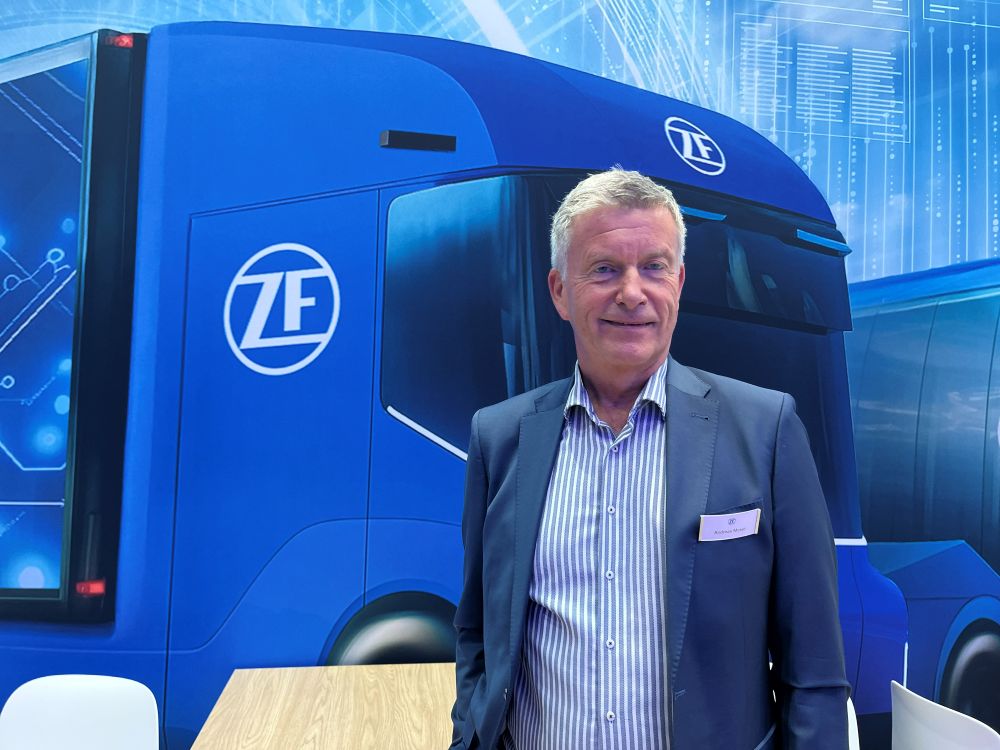
ZF CV Solutions division has set its sights on €9 billion in revenue within the next three to four years, against €7.8 billion in 2025, and its plan rests on two things: strong new business wins and a growing shift to electrification. Speaking to this publication at IAA Transportation 2026, Mr. Andreas Moser, Member of the Board of Management, ZF Friedrichshafen AG, explained why electrification matters so much. An electric axle replaces the transmission, the axle and the combustion engine all at once. That means ZF supplies far more of the vehicle, and its turnover grows with it. India is a big part of the story. ZF’s strategy is to grow where the market is, and Mr. Moser sees India as a fast-rising market where the company already has an “extremely good footprint,” with several plants and a large base of engineers. Today, ZF’s content per vehicle in India is around €500. With demand growing for automated transmissions and electrified solutions, he believes that figure can rise easily. Around the world, the picture is mixed. China’s domestic market is flat, but Chinese companies are exporting successfully to western markets, and their focus on the West is clear at the show. Europe remains uncertain, while North America has seen some good developments recently, even leading to supply shortages in some areas. ZF is winning around 90% of the business it bids for. Mr. Moser credited this to staying close to customers. About two-thirds of ZF’s staff work outside Germany, and the company has production facilities across many regions. It also tailors products to each market. In ADAS, for example, ZF offers lower-cost versions specially for India and China, and its global set-up in electrification helps it reach strong volumes. As trucks become more software-defined, ZF is looking for ways to share common systems, since developing software for automated vehicles is very expensive. India plays a key role here too, serving as an engineerin
- EV & Mobility6 hours ago
Huawei-backed Aito plans European expansion next year, report says
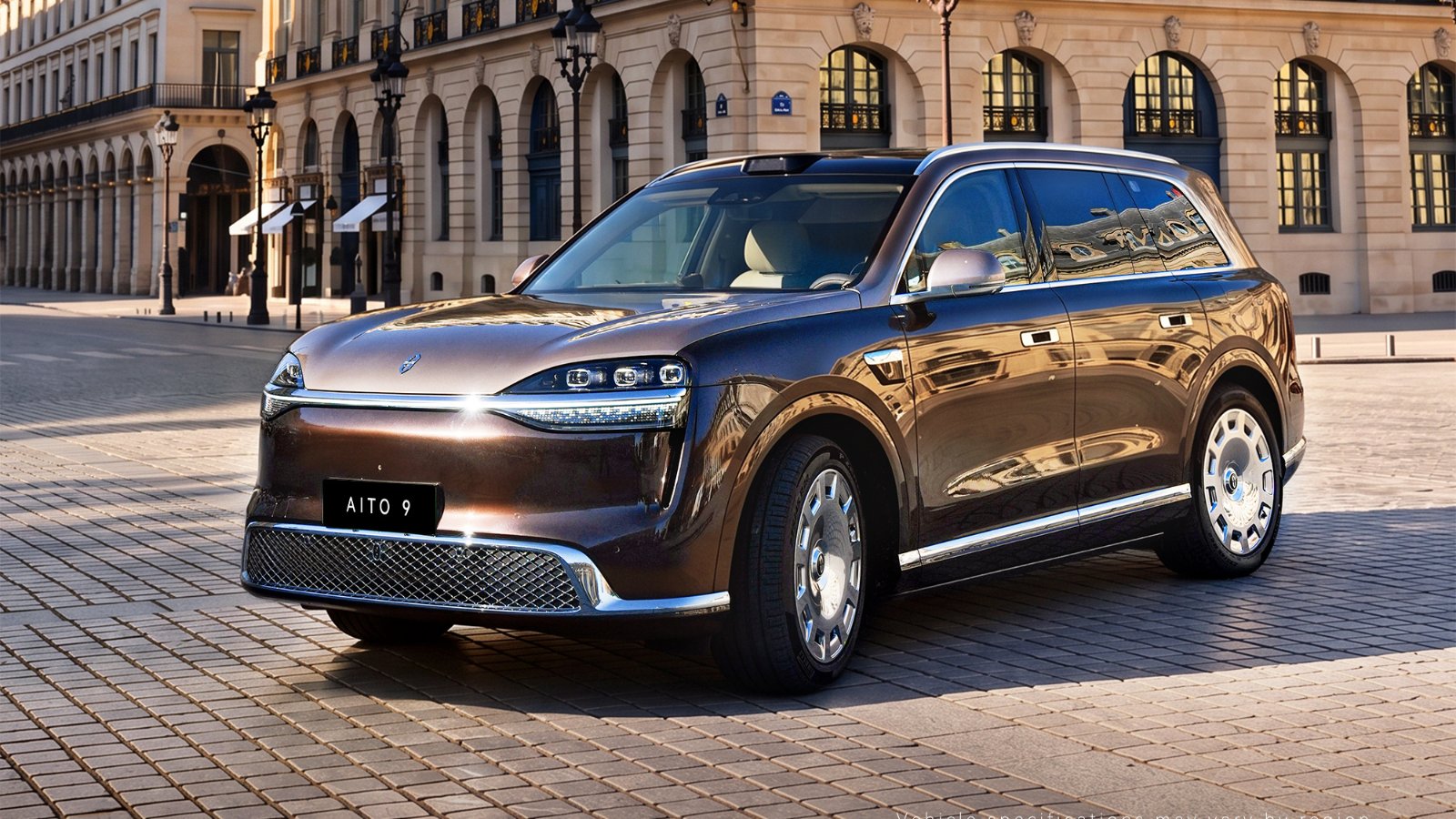
Aito has begun EU whole-vehicle type approval work and will showcase 4 SUVs at the Paris Motor Show. For details, please visit CnEVPost (cnev.co).
 SponsoredWellbeing Nutrition
Sleep Better, Live Better: Premium Quality Supplements Starting at Rs. 649!
- EV & Mobility7 hours ago
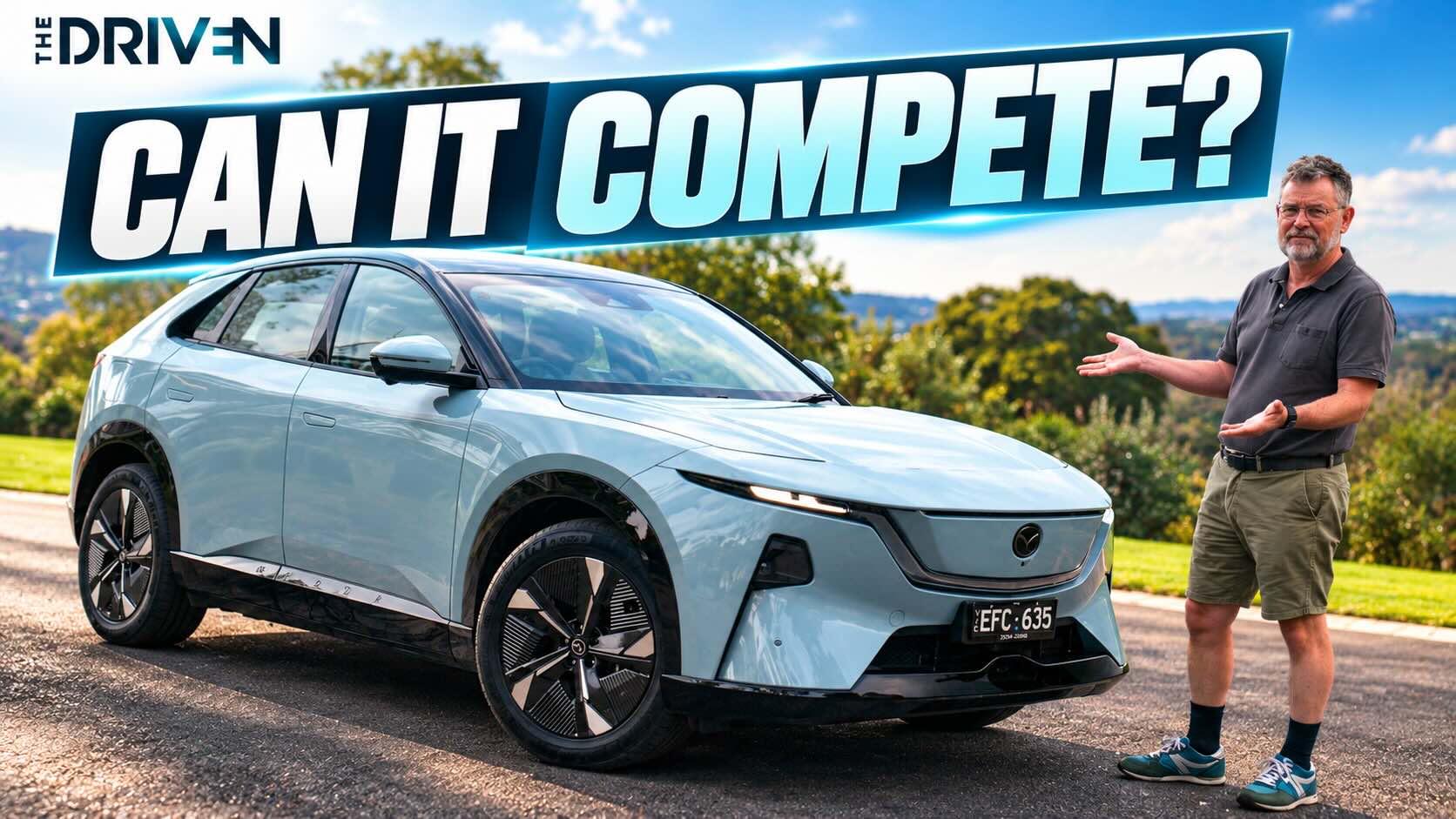
Video: Mazda CX-6E review – Everything you need to know
Is the CX-6E the electric SUV Mazda needed to make an impact, or is it facing an uphill battle? The post Video: Mazda CX-6E review – Everything you need to know appeared first on The Driven IO.
- EV & Mobility7 hours ago
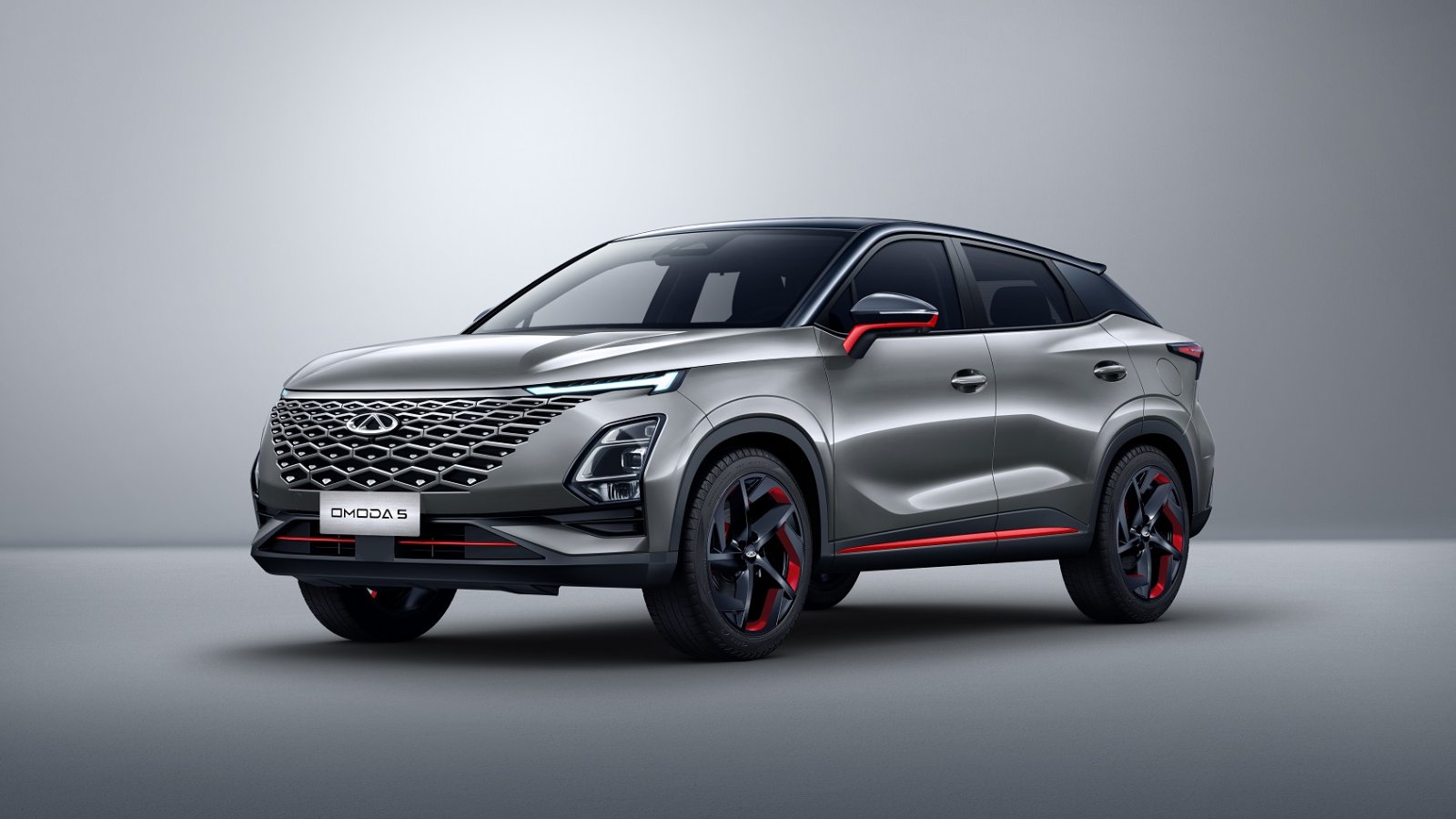
Chery recalls Omoda 5 in Malaysia after rear axle detachment incident
A 2023 Omoda 5 lost its rear axle while being driven in Malaysia last week. Chery said welds on the rear axle trailing arms may lack sufficient strength. For details, please visit CnEVPost (cnev.co).
- EV & Mobility7 hours ago
Festive car-buying joyride may hit price hike bump
The affordability challenge is already visible in the sports utility vehicle (SUV) market, where festive discounts have edged up as companies compete for customers.