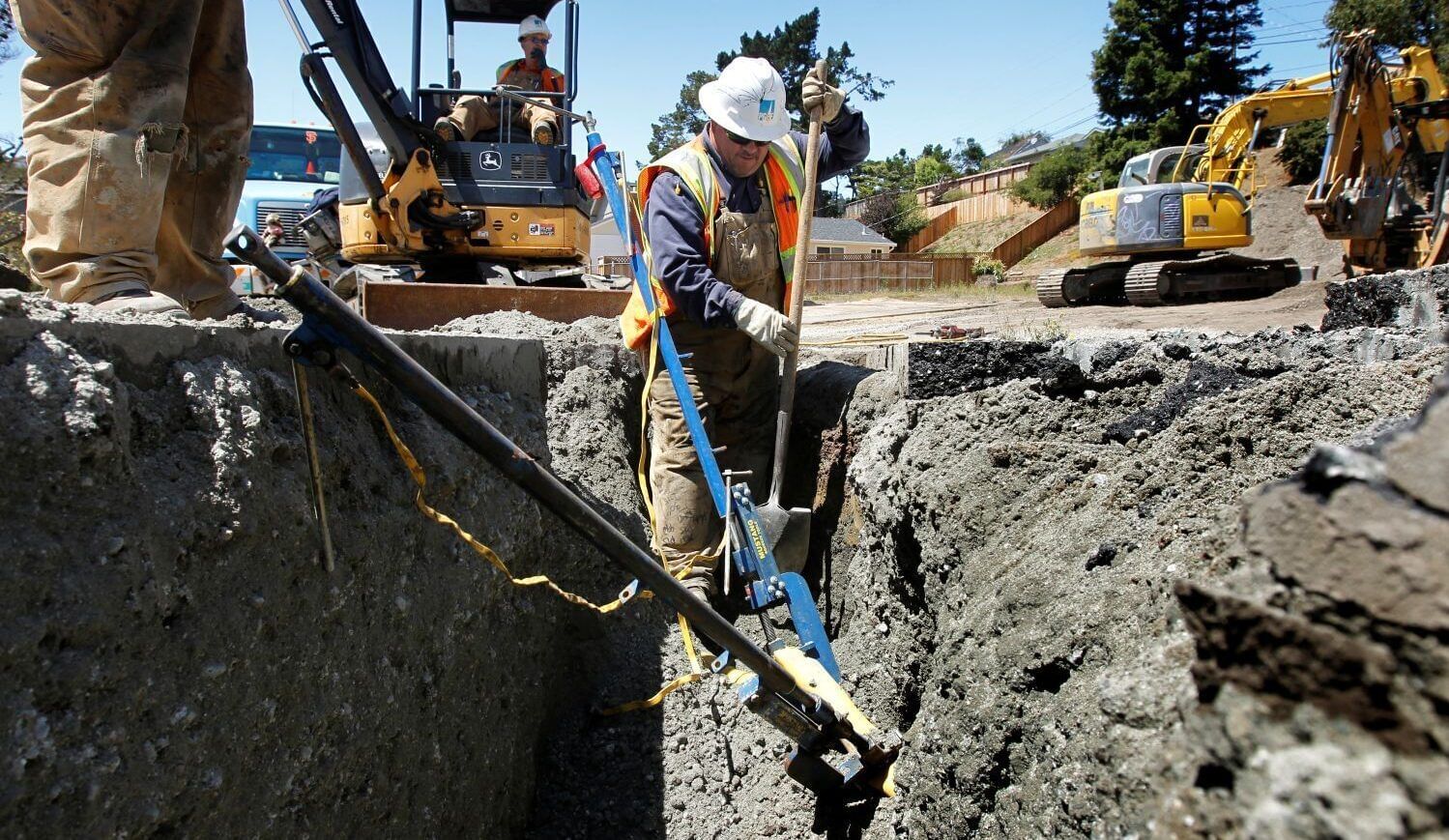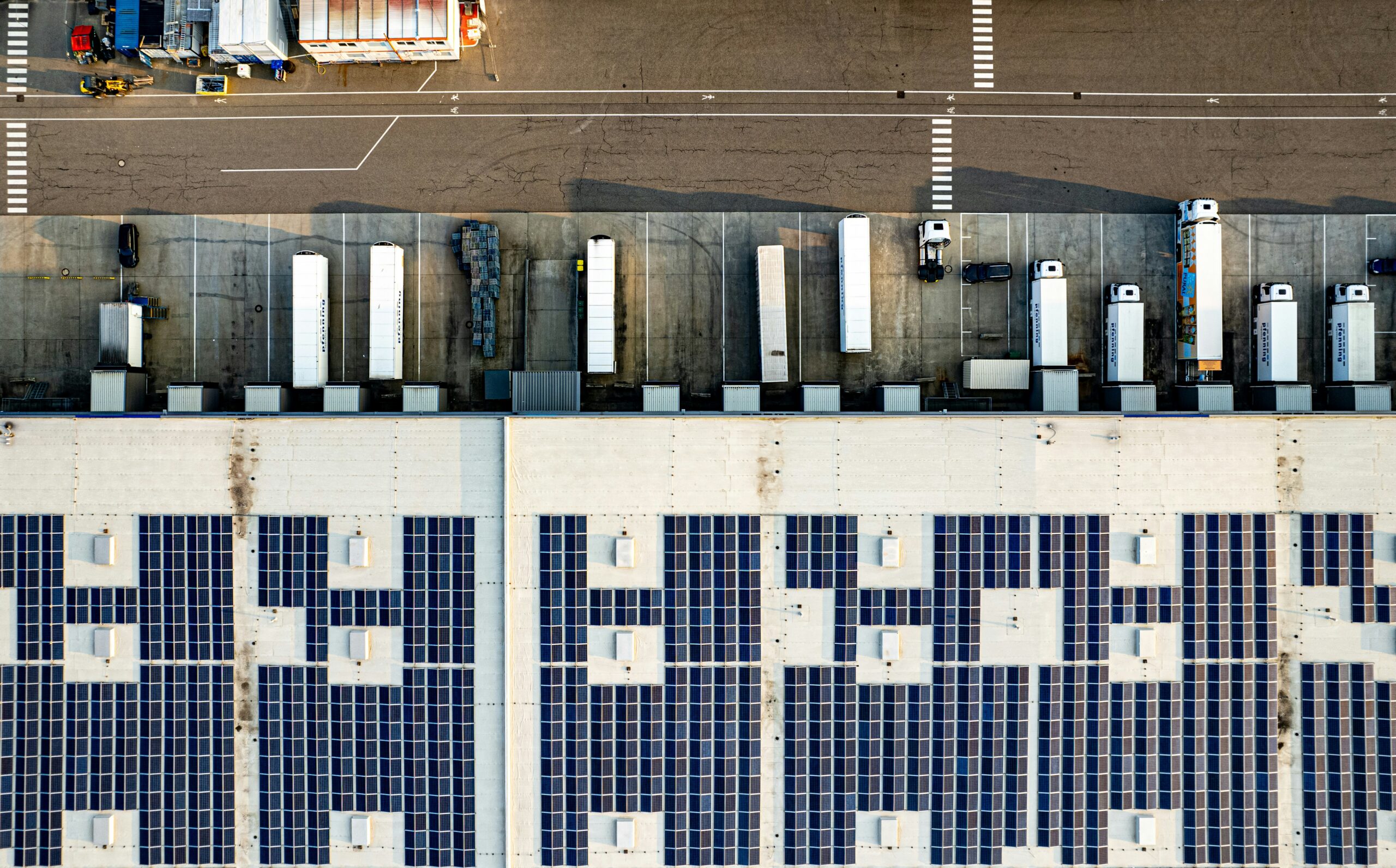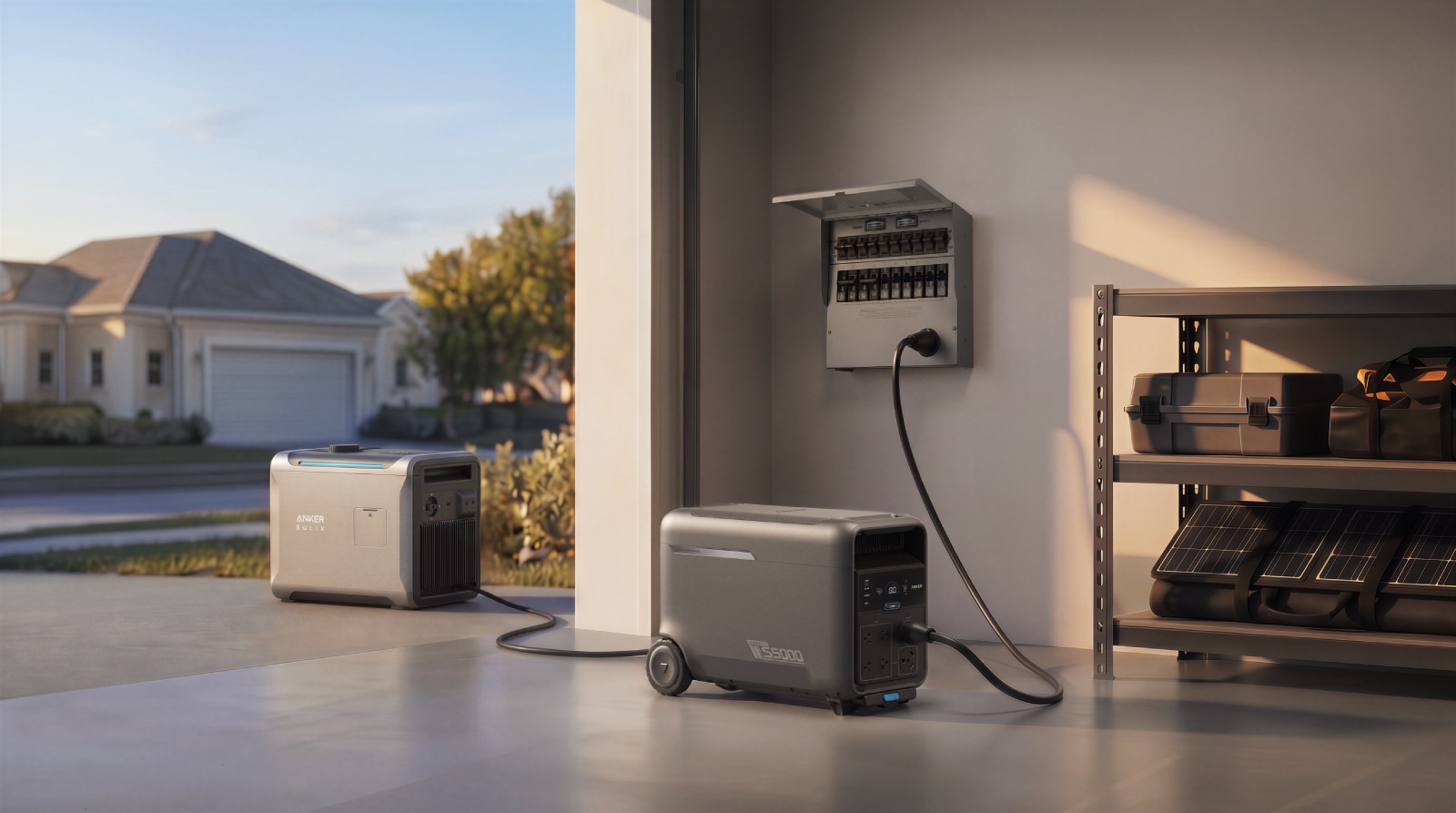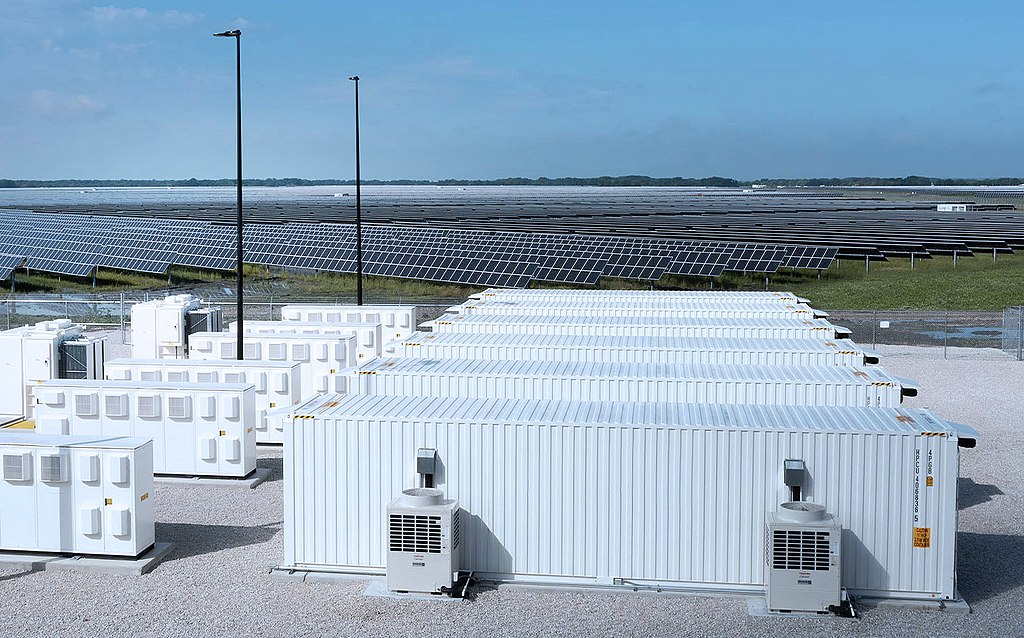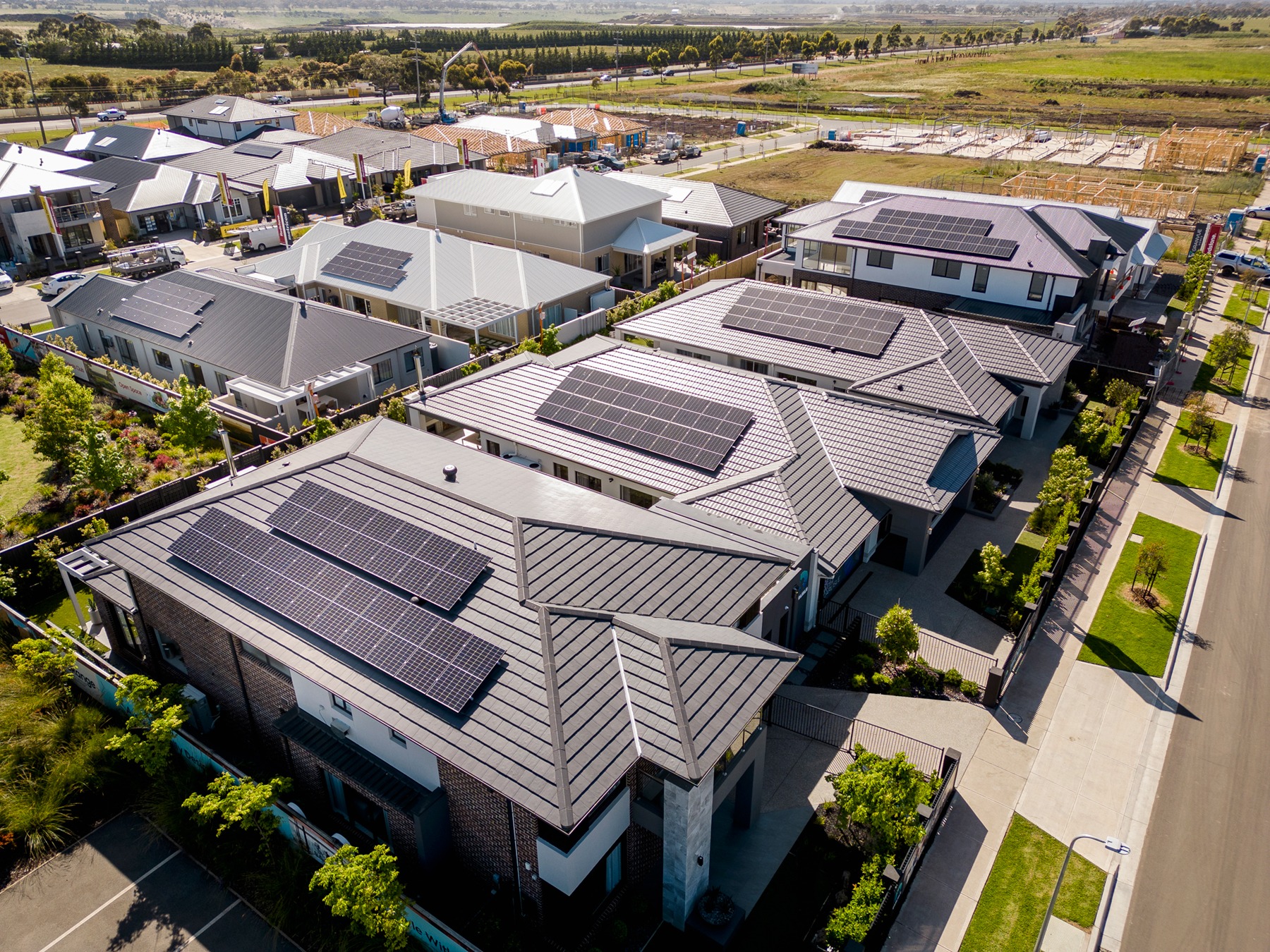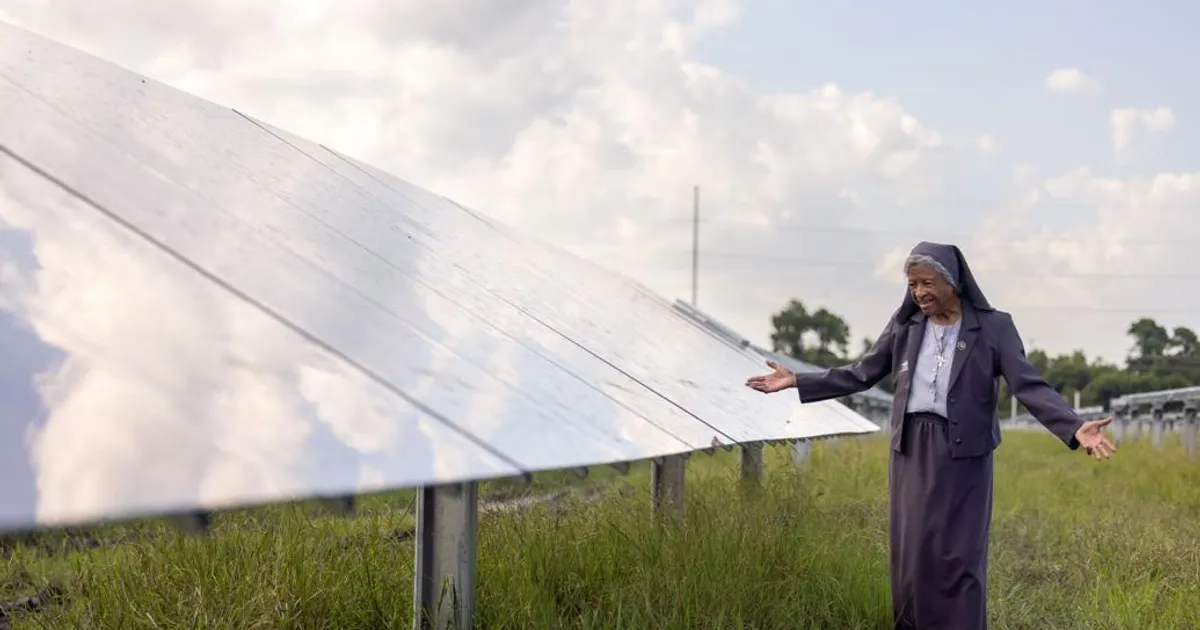
A community solar project built for New Orleans’ oldest historically Black Catholic order of nuns. An all-electric affordable housing complex in Salt Lake City. A program offering low-income Maryland households inexpensive loans for rooftop solar and energy efficiency.
These are just some of the recent projects financed in the U.S. by green banks, entities that use public funds to boost lending for clean energy and climate-adaptation efforts in tough-to-finance sectors. And they’ve done it even as the Trump administration’s clawbacks of federal climate funding force them to scale down their Biden-era plans.
“We’ve continued to move capital in very challenging times,” said Dan Adler, executive director of the U.S. Green Bank 50, a coalition of 56 green banks and other organizations. To fill in the gaps, they’ve sought out financing partners ranging from commercial banks and credit unions to corporate and philanthropic funders. “We’re making a virtue out of a necessity,” he said.
The Green Bank 50 laid out what its members have been able to accomplish over the last two years in its inaugural impact report, released in September, which collected data from 48 green banks nationwide. Over the course of 2024 and 2025, those organizations put about $1.4 billion of their own capital, along with $11 billion in additional private capital, into more than 40,000 projects.
The report includes summaries from about 70 case studies of the work that’s been helped along by financing from green banks.
Source link