Robotics

- Robotics19 hours ago
Google Japan puts 116 keys on conveyor belts because typing was too easy
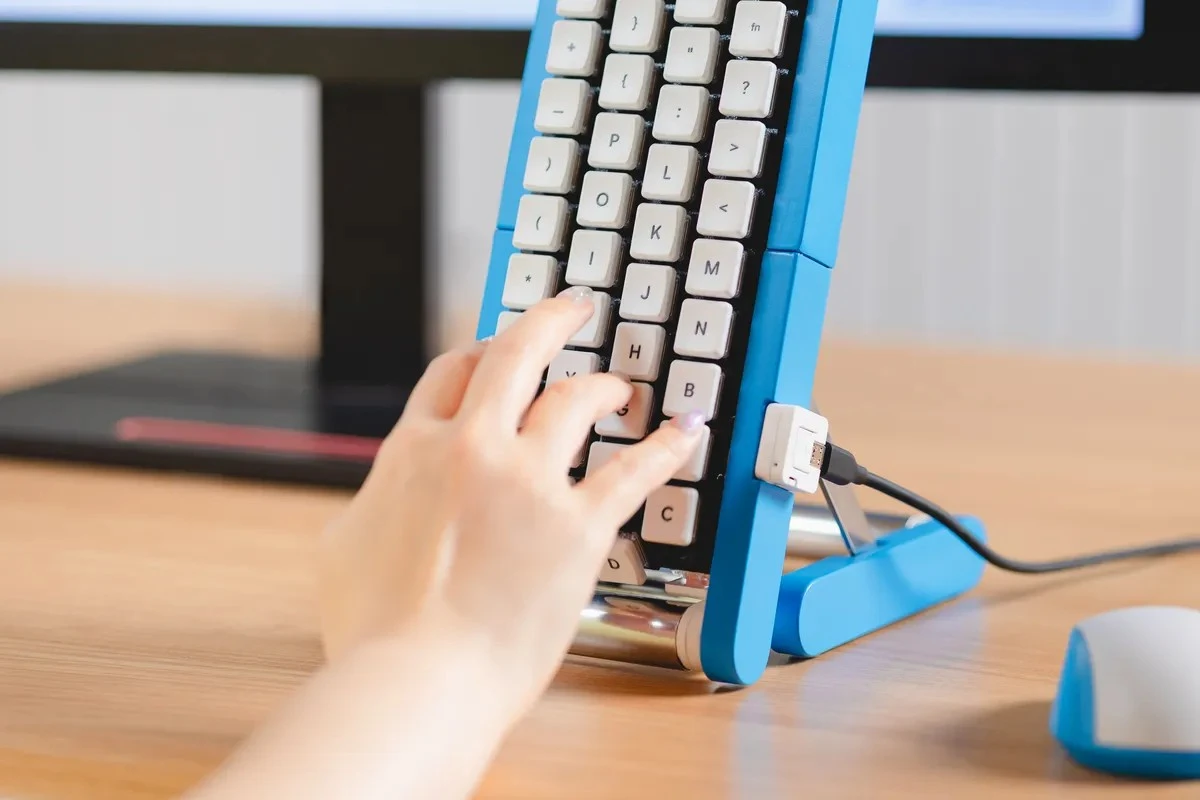
Google Japan seems to have found a solution to a problem none of us knew we had: the fact that keyboards expect our fingers to come to them. Its latest annual Gboard experiment flips this dynamic on its head with moving keys that eventually roll into position right under your finger. Continue Reading Category: Technology Tags: google-japan , Keyboard , concept , Oddball
- Robotics21 hours ago
Will ‘boring’ robots win in the real world? Why robotic form should follow workflow
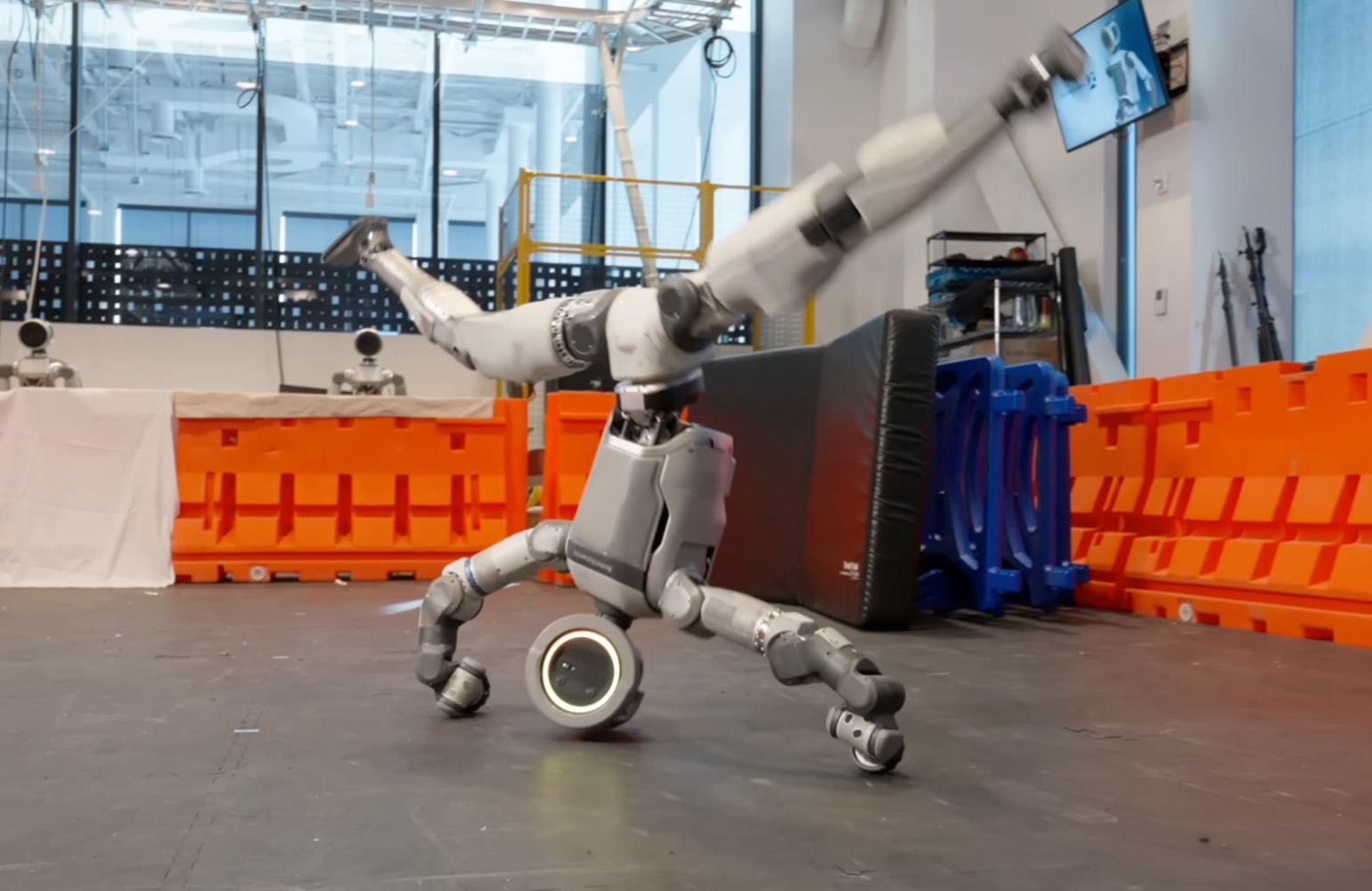
The Atlas humanoid robot doing a cartwheel. | Source: Boston Dynamics Robots have captured our imagination. We have seen humanoids balancing on one leg, doing backflips, folding laundry, and moving smoothly over difficult terrain. This is all behavior that only a few years ago seemed like something out of science fiction. These viral examples matter because they show that embodied AI has reached a new technical stage. At the same time, the window on what qualifies as a “ humanoid robot” seems to be shifting. Robot companies are adding wheels, more sensors , new manipulators, hats, and screens, while they take away eyes and heads from their humanoid robot designs. As an engineering ecosystem working directly alongside humanoid developers to solve core hardware bottlenecks, we see a recurring theme. The industry frequently gets caught up in “robot-forward” thinking. We build an extraordinary physical platform first, then scour industrial sites for a task for it to perform. If we want to move physical AI from social media feeds to a sustained commercial level, we must reverse our current approach. The industry needs a design method that works backwards from the workflow. Begin with a task that has economic value. Consider whether a robot can carry out that task better than a human can. Then, go backwards to find out exactly what hardware, sensing capabilities, and form factor are actually needed to carry out the task. The sensor stack is born in the task, not the datasheet Successful industrial robot forms follow their functions. Source: Vishay Precision Group Inc. If you start by designing a platform, you will likely end up with a compromised hardware stack. The specific workflow determines the machine’s engineering requirements. Let’s take as an example a bipedal humanoid robot that is asked to carry out two different industrial work processes. One involves inserting a pin on an automotive assembly line and the other involves packing a pallet
- Robotics1 day ago
MIT’s drone brain neutralizes hazards in disaster zones
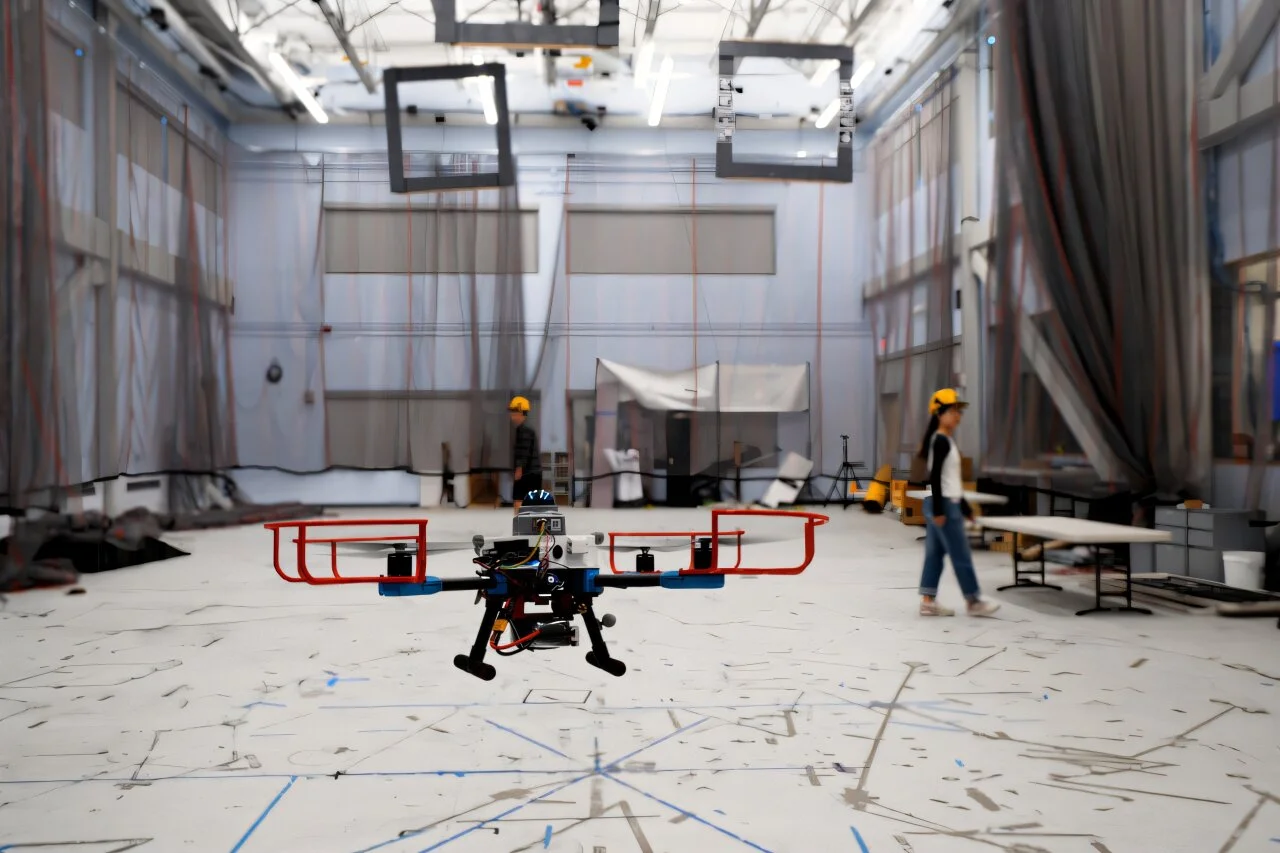
Disaster zones are terrible places to follow a preplanned route. Maps can be incomplete, debris can move, and the next hazard may arrive from any direction at any time. MIT’s new navigation system builds a safe flight corridor around the possible future movements of hazards, helping a drone avoid collisions even without a prior map. Continue Reading Category: Drones , Consumer Tech , Technology Tags: Robotics , Disasters , Mathematics , MIT , Mapping , Collision
- Robotics1 day ago
Why dexterity is physical AI’s real bottleneck
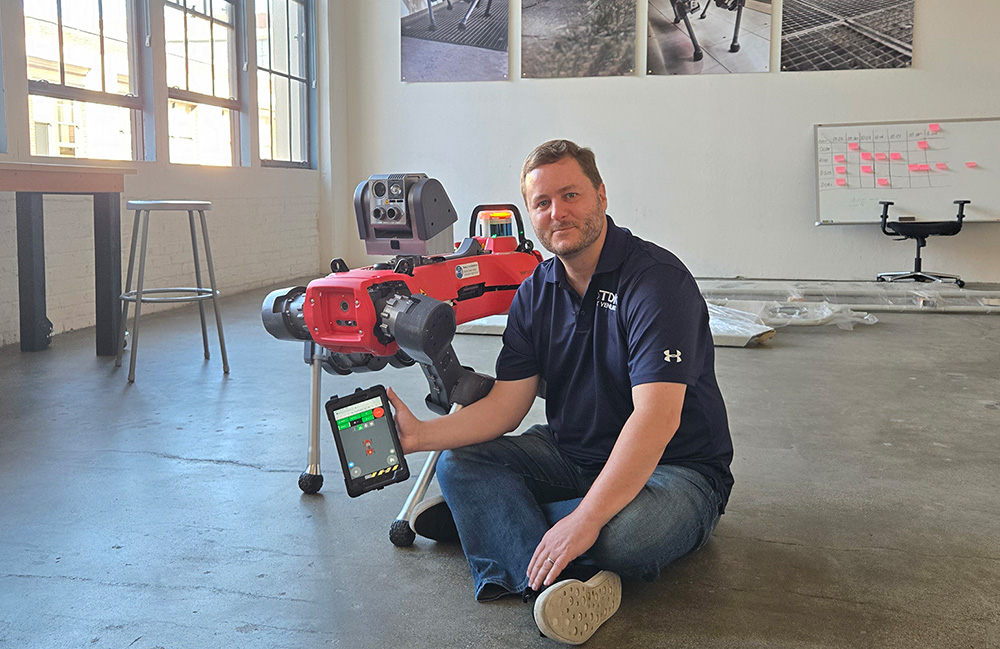
Nicolas Sauvage, founder and president of TDK Ventures, with ANYbotics’ quadruped robot. | Source: TDK Ventures A robot picks up an object, moves it, and puts it down successfully. Is it dexterous? Perhaps. But now ask it to do that successfully hundreds of times, while objects move slightly, its grip changes, components wear, and unexpected failures occur. That is a much harder test of dexterity, and a much better measure of whether a robot is dexterous enough for the real world. We are making rapid progress in what robots can manipulate. However, useful dexterity isn’t simply the ability to complete an individual action once. It is the ability to sense, grasp, move, adjust and recover reliably enough to complete an entire workflow without constant human assistance. A robot that succeeds 99% of the time sounds ready for work, but a job rarely consists of a single action. Consider a workflow that requires 100 physical actions in a sequence. At a 99% success rate for each action, the probability that all 100 succeed on the first attempt is just 36.6%. Increase the success rate to 99.9%, and the probability of completing the workflow rises to 90.5%. At 99.99%, it reaches 99.0%. This is, of course, a simplified example that assumes equal and independent success rates, but it illustrates an important point. A robot with a 99% success rate is not necessarily 99% automated. Small reliability gaps become much bigger when repeated across an entire workflow. This means that a robot that looks almost flawless in a demonstration can still be far from ready for autonomous deployment. The difference between two nines and four nines may ultimately decide whether a robot is ready to work alone. The next major challenge in robotic dexterity is not simply teaching robots to do more, but making the entire system reliable enough to turn those capabilities into useful work. Dexterity is a system, not a hand Robotic dexterity is often discussed as a hardware race: more finge
- Robotics2 days ago
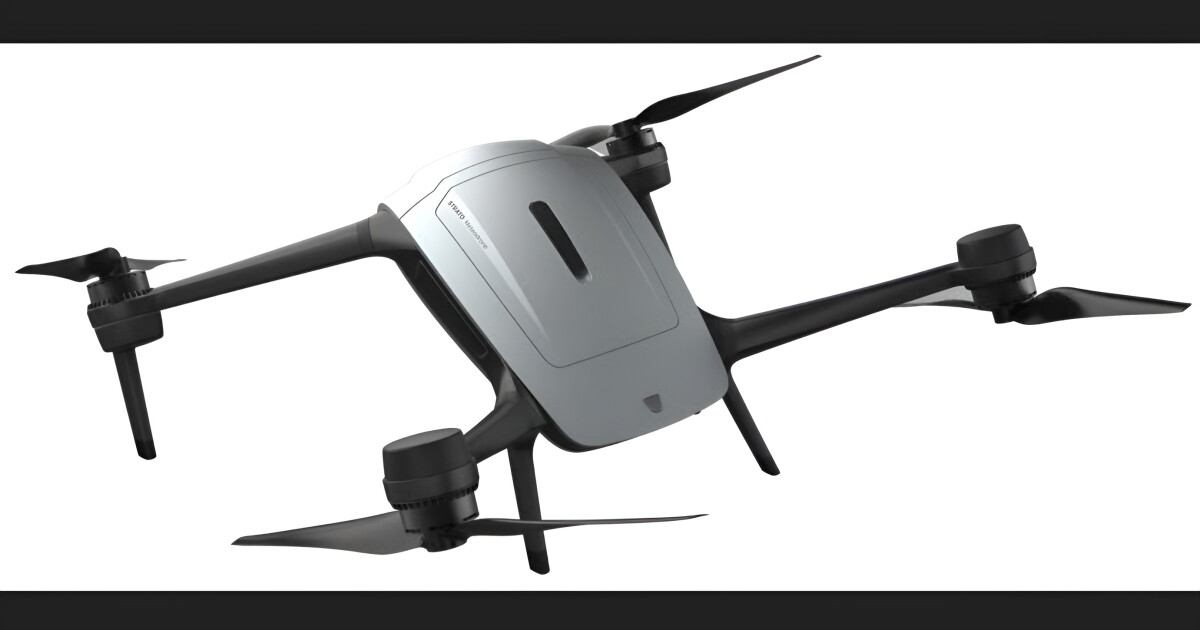
Stratospheric drone could make weather balloons obsolete
Weather balloons are wasteful, and not very eco-friendly – they burst upon reaching high altitudes, then fall back to the earth as trash that rarely gets recovered. That's why there's now a reusable multicopter weather drone that can fly to the edge of the stratosphere. Continue Reading Category: Drones , Consumer Tech , Technology Tags: Weather , High Altitude , Quadcopter
- Robotics2 days ago
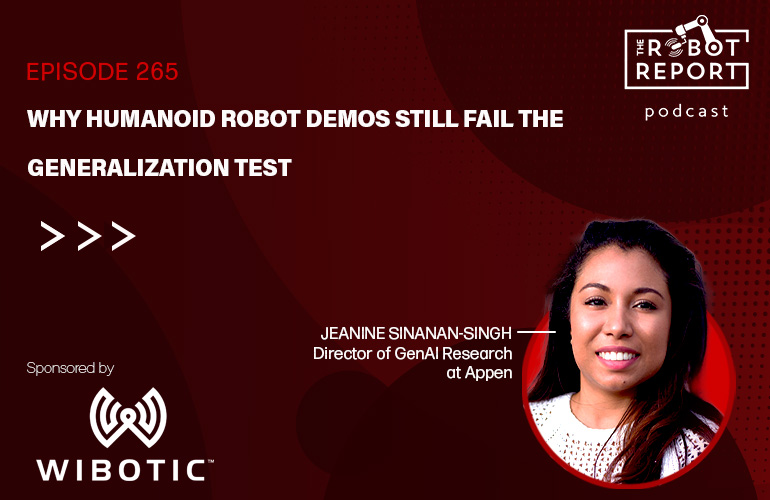
Why humanoid robot demos still fail the generalization test
The Robot Report Podcast · Why humanoid robot demos still fail the generalization test Jeanine Sinanan-Singh, director of GenAI research at Appen. In Episode 265 of The Robot Report Podcast, our guest is Jeanine Sinanan-Singh, director of generative AI Research at Appen. She discusses the continuing importance of humans in the loop for training robots. Sinanan-Singh works on agentic evals, RL environments, and dataset design for post-training frontier AI models. She also explains why impressive demonstrations don’t necessarily prove that robotic behavior can be generalized. Sinanan-Singh previously founded a pharmacy automation startup built on a 3D-printing platform to manufacture personalized medications. A Harvard graduate with prior experience at Microsoft and Surge, she is a frequent voice on AI evaluation and reasoning. Show timeline 8:10 – News of the week 29:06 – Jeanine Sinanan-Singh , director of GenAI Research at Appen News of the week Boston Dynamics appoints former Amazon exec Rohit Prasad as new CEO PTC acquisition positions Schneider Electric to challenge Siemens Also mentioned: Berkshire Grey CEO discusses physical AI, European expansion Locus gets a grip on robotic manipulation with Nexera technology Sponsors Closing the loop of autonomy takes more than a great robot. WiBotic provides reliable wireless charging and fleet energy management for autonomous robots and other battery-powered systems. This patented technology gives robots more freedom to charge throughout their normal workflow, helping increase the uptime, ROI, and safety of your fleet. AMRs, drones, floor scrubbers, humanoids, and everything in between, WiBotic makes charging simple, seamless, and scalable. Learn more at http://www.wibotic.com/robotreport To learn how you can sponsor a future episode of The Robot Report Podcast, contact Jami Brownlee at jbrownlee@arrowfly.com Would you like to be a guest on a future episode? Contact Mike Oitzman at moitzman@arrowfly.com
- Robotics2 days ago
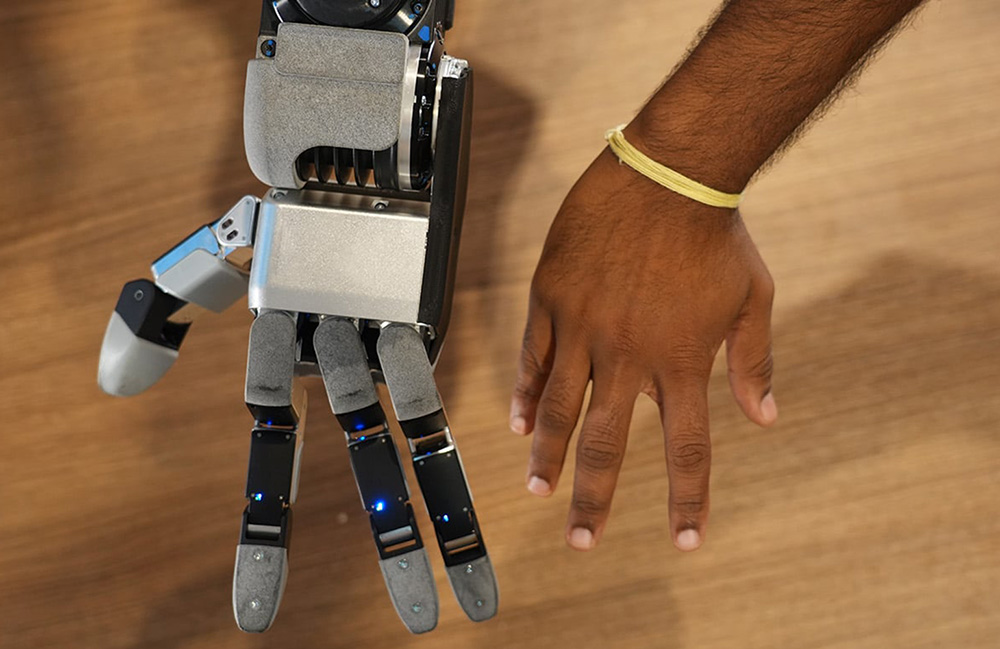
Boston Dynamics gives more insight into its redesigned humanoid hand
Boston Dynamics said its new hand is still capable of handling over 100 lb. | Source: Boston Dynamics Last week, Boston Dynamics Inc. gave a look at its new humanoid robot hand. The four-fingered hand has 13 degrees of freedom, or DoF, and is directly actuated. The company said it designed it for mass manufacturing. Lots of things immediately stand out about the hand. Notably, Boston Dynamics has dropped the pinky finger and reduced the size of the gripper . Less obviously, the company said it built the new hand for high-fidelity simulation to enable sim-to-real reinforcement learning (RL). To learn more about the new hand, The Robot Report spoke with Alberto Rodriguez , the director of robot behavior for Atlas at Boston Dynamics. What did Boston Dynamics learn from its humanoid trials that it applied to the new hand? Rodriguez: Having a product roadmap for Atlas has been a key enabler when it came to making hard decisions like what is the right level of complexity that we should be packing into a hand and navigating its design tradeoff between dexterity, strength, ruggedness, cost, reparability, and sensing . We have learned things from the design of Atlas’ body. There are things like simplicity, modularity, and actuator maturity that make sense in theory, but over time, you start appreciating the huge impact they have in the velocity you can move. A reliable robot allows you to capture data faster, run more experiments, and take bets at early deployments. Modularity allows you to focus with more energy on a smaller number of things that you need to get right. That also allows you to move faster. We have used the same philosophy with this hand. It is built out of 13 identical actuators, all completely encapsulated, with no fragile cables crossing joints, which is already paying off. We have also learned, for example, that the earlier hands were strong enough to lift 100 lb.-plus heavy objects, so we did not need to increase strength, and we could consider decreasin
- Robotics2 days ago
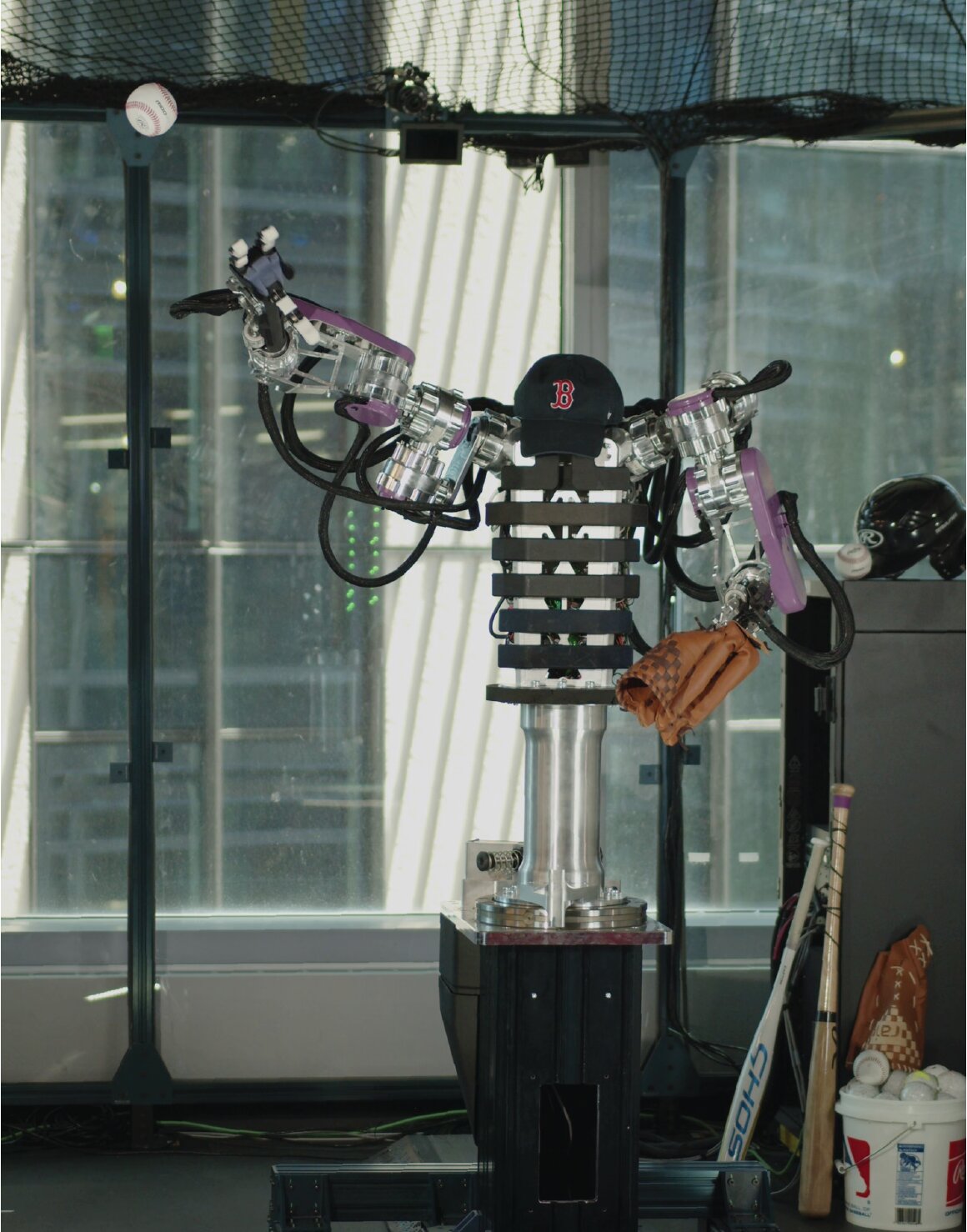
Two-armed robot throws and catches balls with human-like movements
Humans can move their limbs very rapidly and coordinate their movements with high precision to tackle specific manual tasks. While robots have become increasingly advanced in recent years, many of them remain less agile than humans and struggle to interact with moving objects of different shapes, weights and textures.
 SponsoredAjio Gram
Get an Extra 5% Off – Save Up to ₹650 on Orders of ₹1290!
- Robotics2 days ago
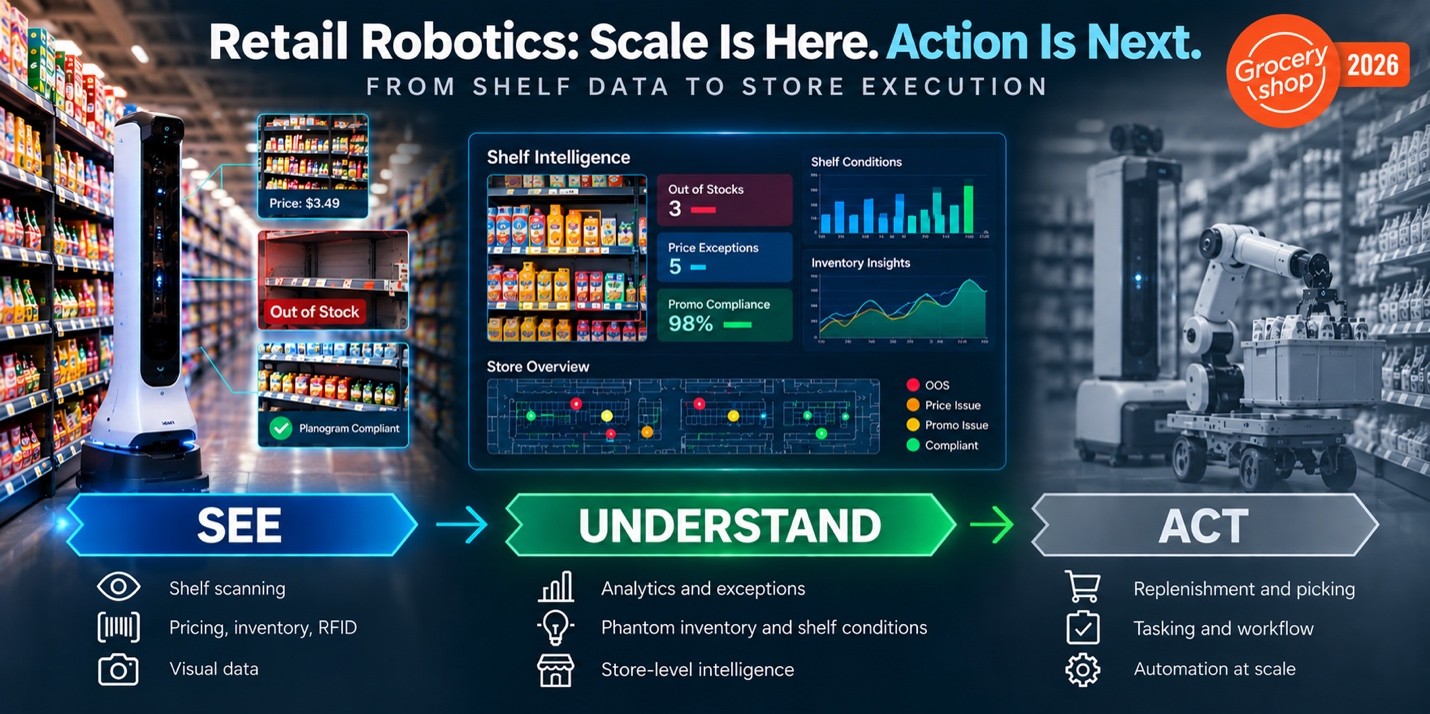
Groceryshop 2026 shows that retail robots are ready to scale, use AI
Groceryshop 2026 provided an opportunity to assess the state of retail robotics. Source: Georges Mirza It has been more than a decade since I first helped to bring robots to live retail center stores. Long gone are retailers’ concerns about robots taking jobs, scaring kids, accidentally bumping into shoppers, or simply disrupting the grocery shopping experience. It is good to see how much the industry has advanced; we have come a long way. Now that we are seeing scale, we can start using near-real-time shelf insights across more retail solutions . In this AI age of disruption, there is no excuse for not prioritizing and benefiting from these insights. Is the broader retail solution space ready to advance and make this data actionable? I attended Groceryshop 2026 last month to find out. Simbe continues to scale with Tally robot The major announcement came from Simbe Robotics , which has now completed the rollout of 3,000 Tally robots globally across retailers and countries. With an ongoing rollout at a Tier 1 retailer, that number will quickly grow, marking another major accomplishment for robotics in retail. Simbe has also been proactive in building capabilities to make its data actionable, from analytics dashboards to virtual store tours. That proactive approach will be critical to staying relevant as the retail technology environment continues to evolve. How far can Simbe go on its own in developing these capabilities before it begins to overlap with established solutions? And how quickly will those established solutions begin consuming this new source of shelf data? A new way of thinking is certainly needed across the industry. It remains to be seen whether this disruption will trigger the change that is needed. Simbe Robotics demonstrated its shelf intelligence system at Groceryshop 2026. Source: Georges Mirza Badger Technologies builds a retail intelligence layer Badger Technologies appears to be making a similar transition. In my discussion with its newly appo
- Robotics2 days ago
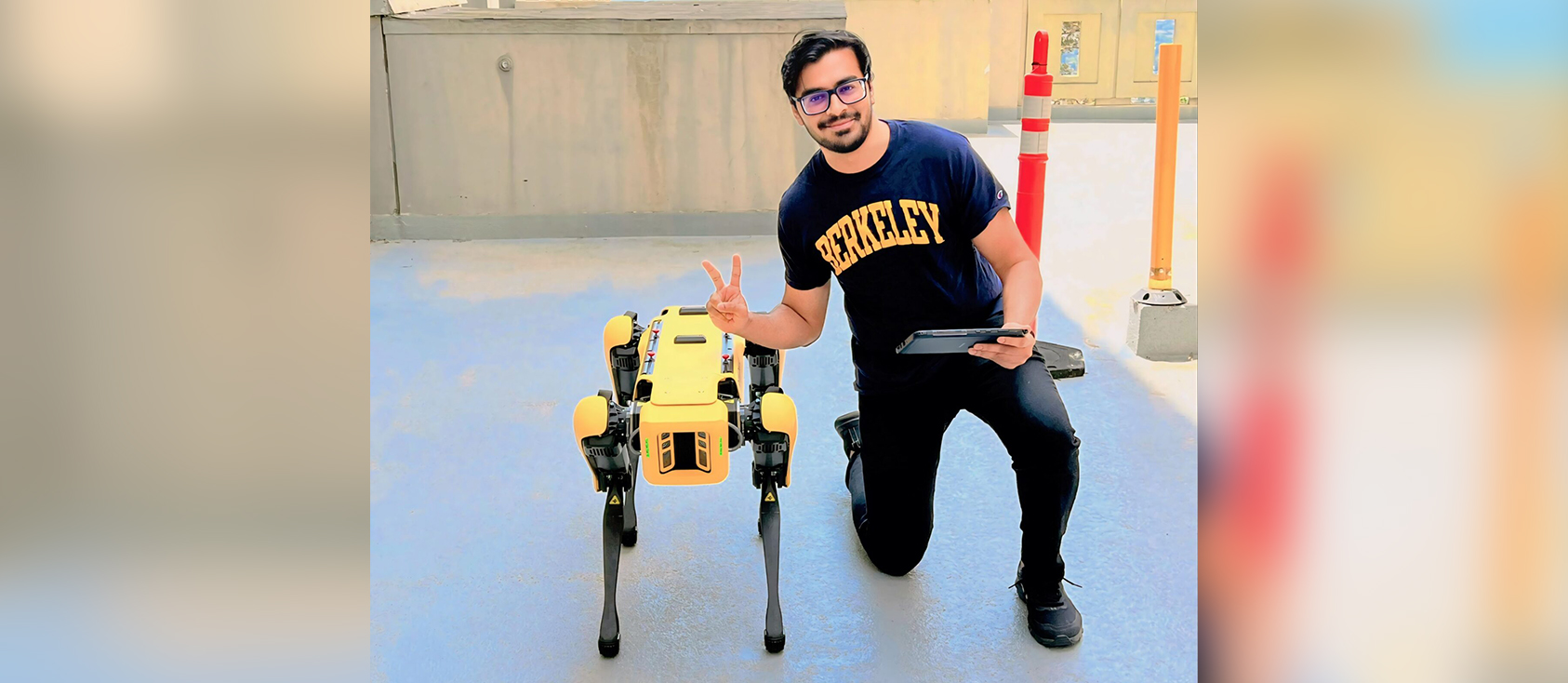
Robot Talk Episode 165 – Robots behind the research, with Kushant Patel
Claire chatted to Kushant Patel from Brookhaven National Laboratory about robots that work in scientific facilities, such as particle accelerators. Kushant Patel builds software that helps robots and instruments perceive, map, and move through the physical world. After completing a Master’s in Mechatronics Engineering at the University of Waterloo, he spent two years at the University of California, Berkeley teaching quadruped robots to map and inspect nuclear material, and a year at the University of California, Davis building closed-loop brain-computer interfaces. At Brookhaven National Laboratory, he is developing control systems for advanced synchrotron beamlines.
- Robotics3 days ago
SafeWorld emerges from stealth to build, deploy robot safety simulation technologies
SafeWorld said its platform can work in a range of industries with a range of robot embodiments, including robots arms, humanoids, mobile robots, and more. | Source: SafeWorld SafeWorld this week emerged from stealth with $12.2 million in seed funding. The startup aims to make safety testing on AI-powered robots easier with its simulation technology. “Our point of view is that if you’re going to have more capable robots, it just makes sense that you need to have more capable ways to test and to validate those robots,” Kyle Wong, co-founder and CEO of SafeWorld, told The Robot Report . “Otherwise, you’re not going to deploy those robots.” “We already have been using robots for maybe 100 years,” said Ding Zhao, co-founder of SafeWorld and director of the Safe AI Lab at Carnegie Mellon University. “We started the company today because, when AI came, it actually brought automation to the next level. The robots, for the first time, were allowed to go out of the cage and share the same space with humans.” Zhao asserted that this level of collaboration requires a whole new level of understanding for the robot, which is where SafeWorld comes in. Shine Capital and a16z Speedrun co-led the funding round. It also included participation from Box Group, Carnegie Mellon University Endowment, Innovation Endeavors, SV Angel, and other leading venture capitalists and angel investors. Ultimately, SafeWorld wants to make it easier for robotics companies to build safe systems. The Oakland, Calif.-based company currently has customers in industrial, manufacturing , logistics , construction , and even some home use cases, Wong said. “Robotics companies themselves need to, of course, be accountable for safety,” said Wong. “The question, though, is more, ‘Should they build it from scratch every single time?’ We don’t think that makes sense.” Inside SafeWorld’s platform SafeWorld said it gives enterprises a scalable way to te
- Robotics3 days ago
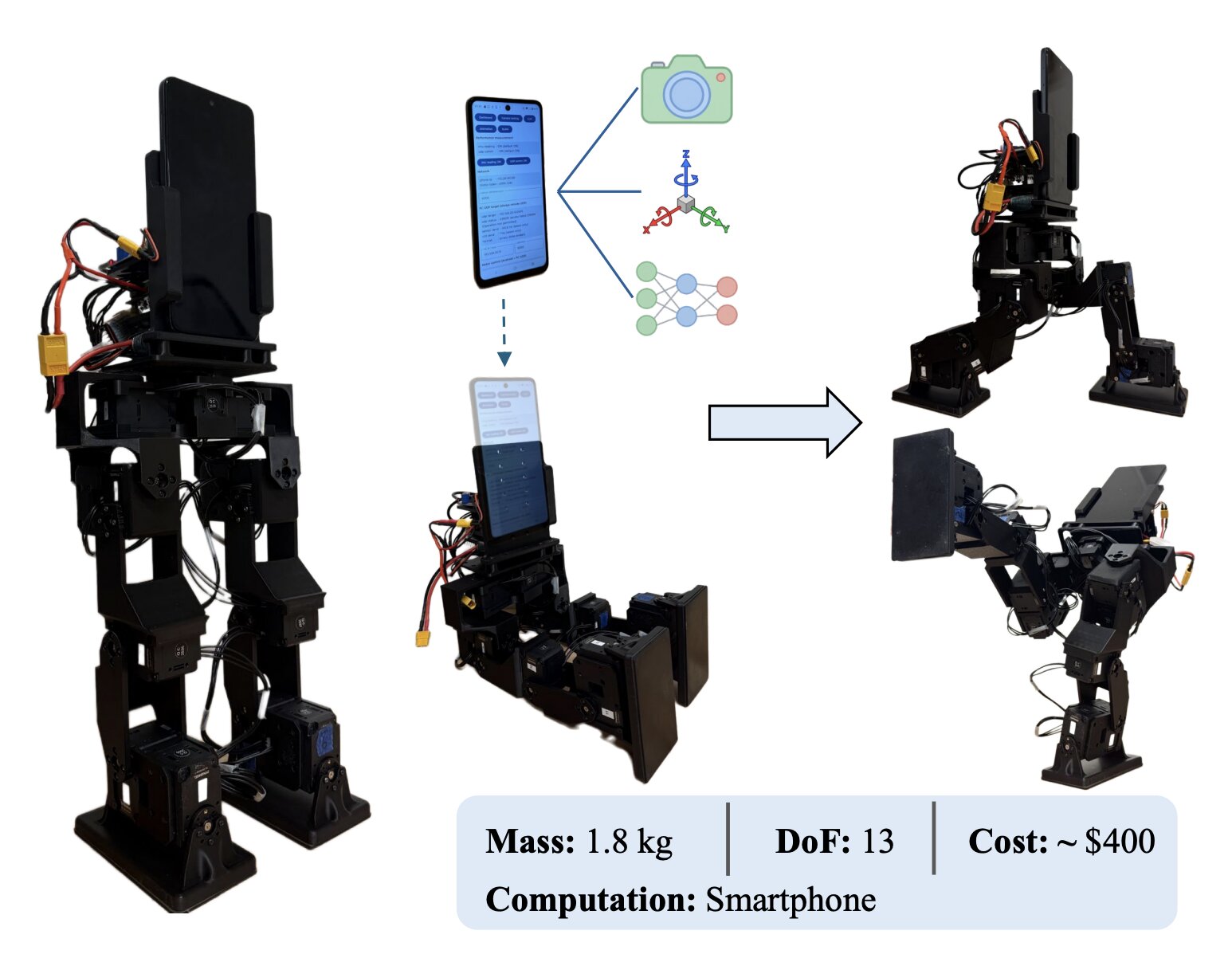
PhoneBot gives old smartphones a new job on two legs
Smartphones combine cameras, motion sensors and powerful processors in devices that fit inside a pocket. These features could also make them useful components for robots, reducing the need to buy and connect separate sensors, processors or other electronics.
- Robotics3 days ago
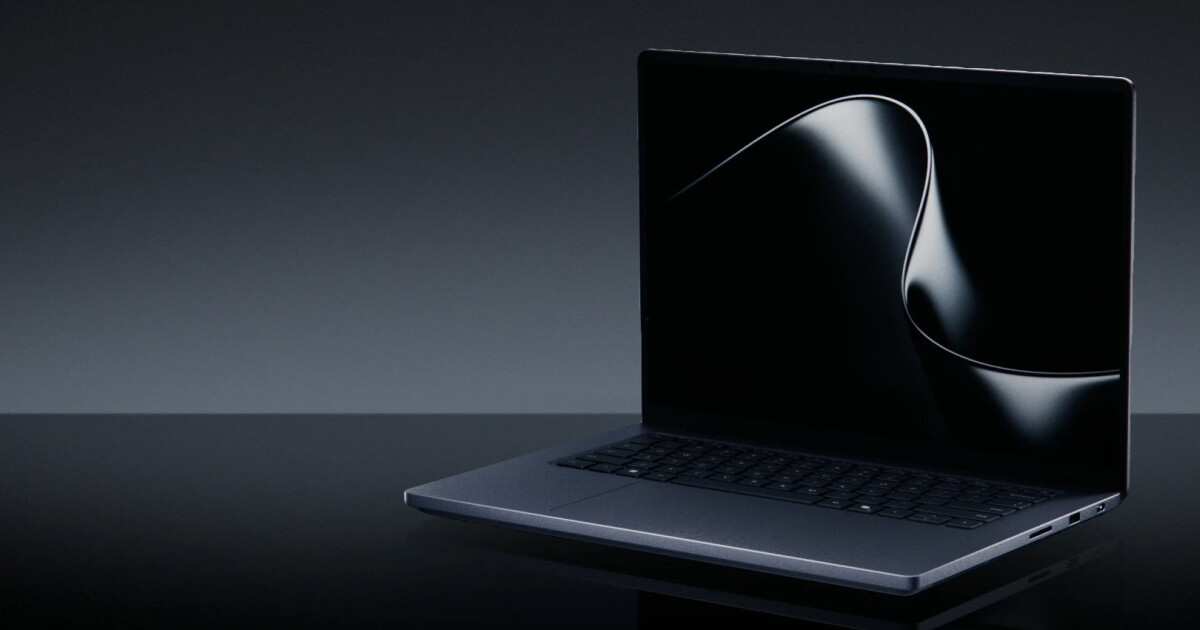
Microsoft rivals the MacBook Pro with an Nvidia chip and repairable design
Microsoft has just unveiled the most powerful laptop in its Surface range, and it's set to take on Apple's popular MacBook Pro for demanding work applications. If you're in the market for a higher-end machine, there's a couple of things in this premium option worth learning about – including a brand new processor that no other laptop on the market has yet. Continue Reading Category: Consumer Tech , Technology Tags: Laptop , Microsoft , Microsoft Surface , NVIDIA , Artificial Intelligence
- Robotics3 days ago
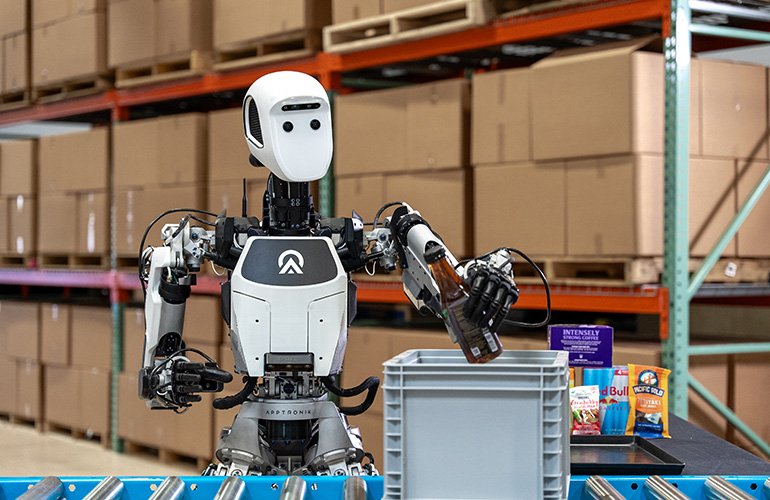
Jabil discusses the pace of humanoid robot development and production
The Apollo humanoid robot is designed for a variety of applications. | Credit: Apptronik While much of the focus on humanoid robots has been on entertaining demonstration videos and massive amounts of funds raised, the work of development and finding a value proposition is quietly continuing. How are humanoids progressing from prototypes to mass production? Jabil Inc., a design, supply chain, and manufacturing services provider, offered its perspective. Companies preparing to ramp up production of humanoid robots include Tesla , 1X Technologies , XPeng , and UBTECH . Jabil works with robotics developers to bring their products to market at scale. The St. Petersburg, Fla.-based company has worked with Apptronik on bringing its Apollo humanoid to active manufacturing environments. Thomas Brown , senior director for engineering and technology, including digital commerce and robotics, at Jabil, replied to the following questions from The Robot Report . Setting realistic expectations for humanoid volume How are investor and customer expectations for mobile manipulators and humanoids evolving? Brown: In terms of managing expectations, a lot of customers have gotten humanoids out in low volumes, but we are entering a phase of tens of thousands, where it’s no longer something that’s assembled by hand on site. You’re starting to get to where you need a cost structure, manufacturability, and to improve quality. These are areas where Jabil can really add a lot of value. When a robot’s much more expensive, there’s only so many they can produce for gathering AI training data, and they need more customer use-case validation. We provide that ability to cost down their designs to actually hit those scales. How is the current boom in compute enabling more capable physical AI ? Brown: Compute is now sufficient for many of the experiences you see on the demo reels, but we do need more computing capacity at the edge. The NVIDIA Jetson series is a popular l
- Robotics3 days ago
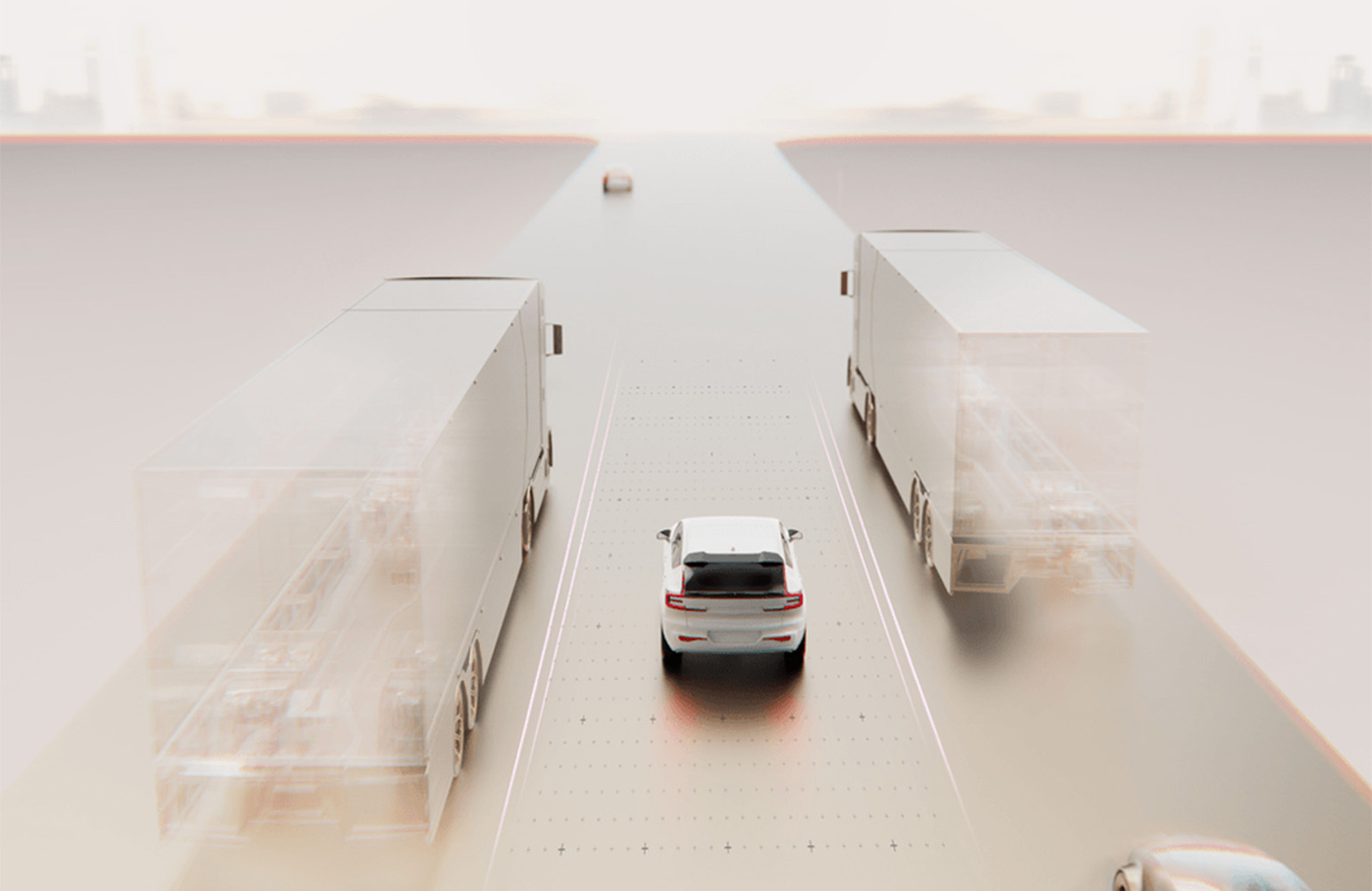
Helm.ai reaches $70M in signed commercial contracts for its foundation models
Helm.ai said it has commercial partners spanning perception, full-stack autonomous driving, automated data labeling, and generative simulation. | Source: Helm.ai Helm.ai today said it has signed $70 million in commercial contracts for its foundation models for physical AI over a 12-month period. These contracts spanned global automotive OEMs, Tier 1 suppliers, and industrial automation companies. The Redwood City, Calif.-based company considers the automotive industry as its flagship deployments, which involve deep partnerships. But, it also has partnerships with customers in mining and construction . “Those kinds of projects coming to that level of maturity are super exciting for us, because it demonstrates that there’s a real demand for the technology that we’ve built,” Vladislav Voroninski, founder and CEO of Helm.ai, told The Robot Report . “ It’s clearly crossing that threshold into actually being deployed in the real world,” “Also, as a company, we’re now on a path to break even, which is rare in this space, and it’s a testament to the capital efficiency of our approach,” he said. Founded in 2016, Helm.ai’s software already spans SAE Level 2 through 4 autonomous vehicle ( AV ) programs, production-track perception in heavy industry, and expanding robotics development. Inside Helm.ai’s ‘deep teaching’ methodology Helm.ai trained its foundation models using its unsupervised “deep teaching” methodology to master the structure of the physical world itself. This separates the problem of understanding an environment from the problem of acting in it. “The way we attack the problem is different from thinking about it as there’s some sensor data in, and a decision comes out,” Voroninski said. “We actually have structure throughout the stack, so each part of the stick is still learned end to end using DNNs [deep neural networks]. The way we think about solving the problem is, first, learn how to per
- Robotics3 days ago
AWS launches open-source Physical AI Toolchain for robotics
Amazon Web Services (AWS) today launched an open-source Physical AI Toolchain designed to help roboticists move from collecting data to training, simulating, validating and deploying AI models on their robots. The toolchain brings together AWS services and NVIDIA’s Physical AI software stack into a single development workflow. The goal is to address one of the biggest challenges facing companies developing AI-powered robots: connecting the many pieces required to turn a trained model into a system that can reliably operate in the real world. “We’re trying to make this easy button, if you will, so that people can actually focus on the problem that they’re trying to solve rather than having to worry about all of the infrastructure,” Sri Elaprolu, director of Frontier AI Science and Engineering at AWS, told The Robot Report . The Physical AI Toolchain is not a direct replacement for RoboMaker, a cloud-based robotics simulation platform that was shut down in 2025 . Elaprolu described RoboMaker as one of the components of AWS’s robotics stack, while the new toolchain brings together a broader set of development technologies. From data to deployment The toolchain combines five pieces of the AI development process: synthetic data generation, model training, simulation and validation, edge deployment, and continuous improvement. A robotics company could collect demonstrations of a robot performing a task, generate additional training scenarios synthetically, train or fine-tune a model, and test that model in simulation before deploying it to a physical robot. AWS uses Amazon SageMaker for model training and AWS IoT Greengrass for distributing models to edge devices. NVIDIA’s contributions include Isaac Sim, Isaac Lab, Isaac GR00T and Cosmos. Companies can use the components individually or combine them into an end-to-end workflow. “The amount of data that you need to train these models is significant, and there’s not a lot of data that’s
 SponsoredWellbeing Nutrition
Sleep Better, Live Better: Premium Quality Supplements Starting at Rs. 649!
- Robotics3 days ago
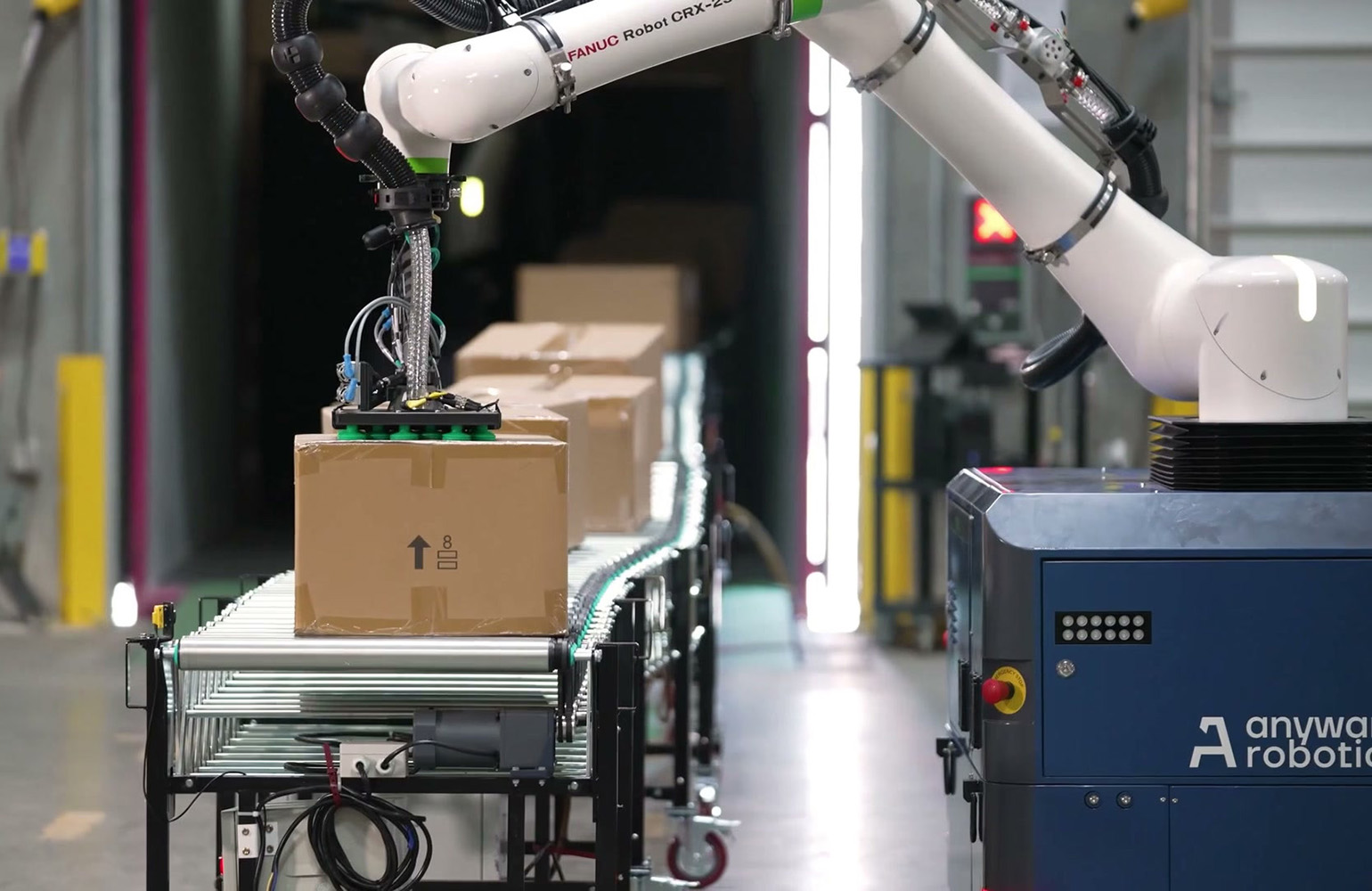
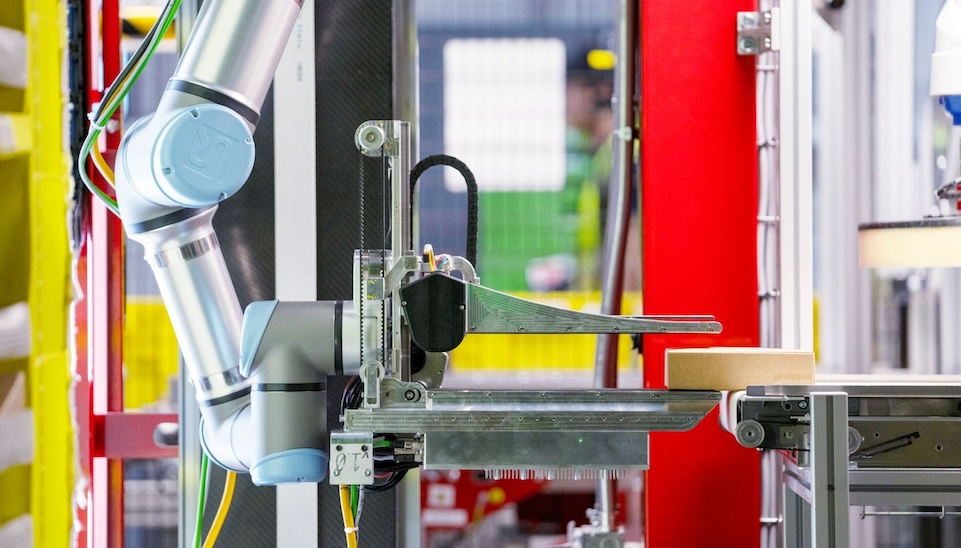
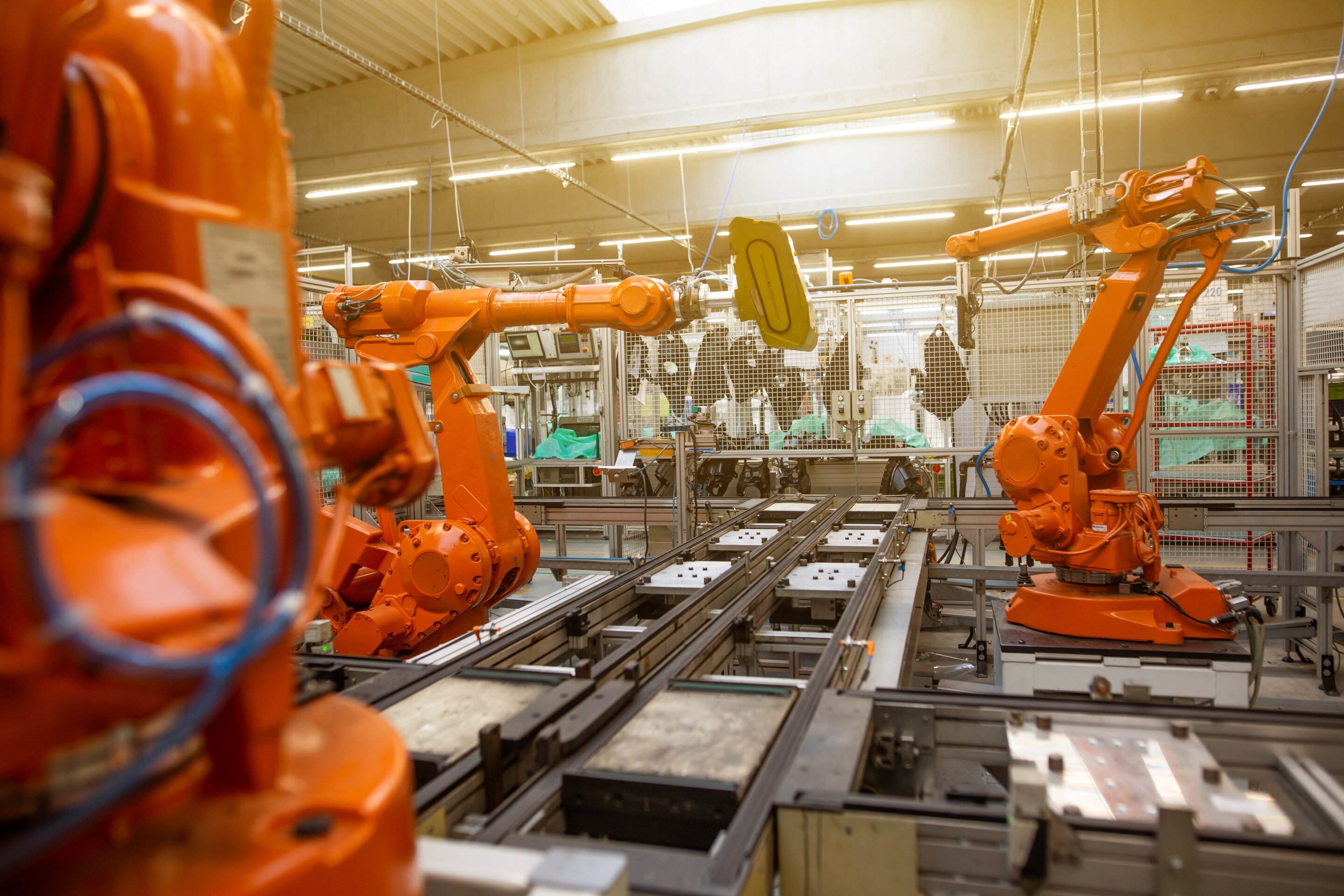
How automation is shaping the future of American manufacturing
Labor shortages, supply-chain volatility and growing demand for customized products are forcing a fundamental rethink of how work gets done in U.S. manufacturing. To remain competitive, manufacturers must produce increasingly complex parts with fewer workers, shorter lead times and greater flexibility than ever before.
- Robotics4 days ago
Brain-sensing headphones know when your focus starts to drift
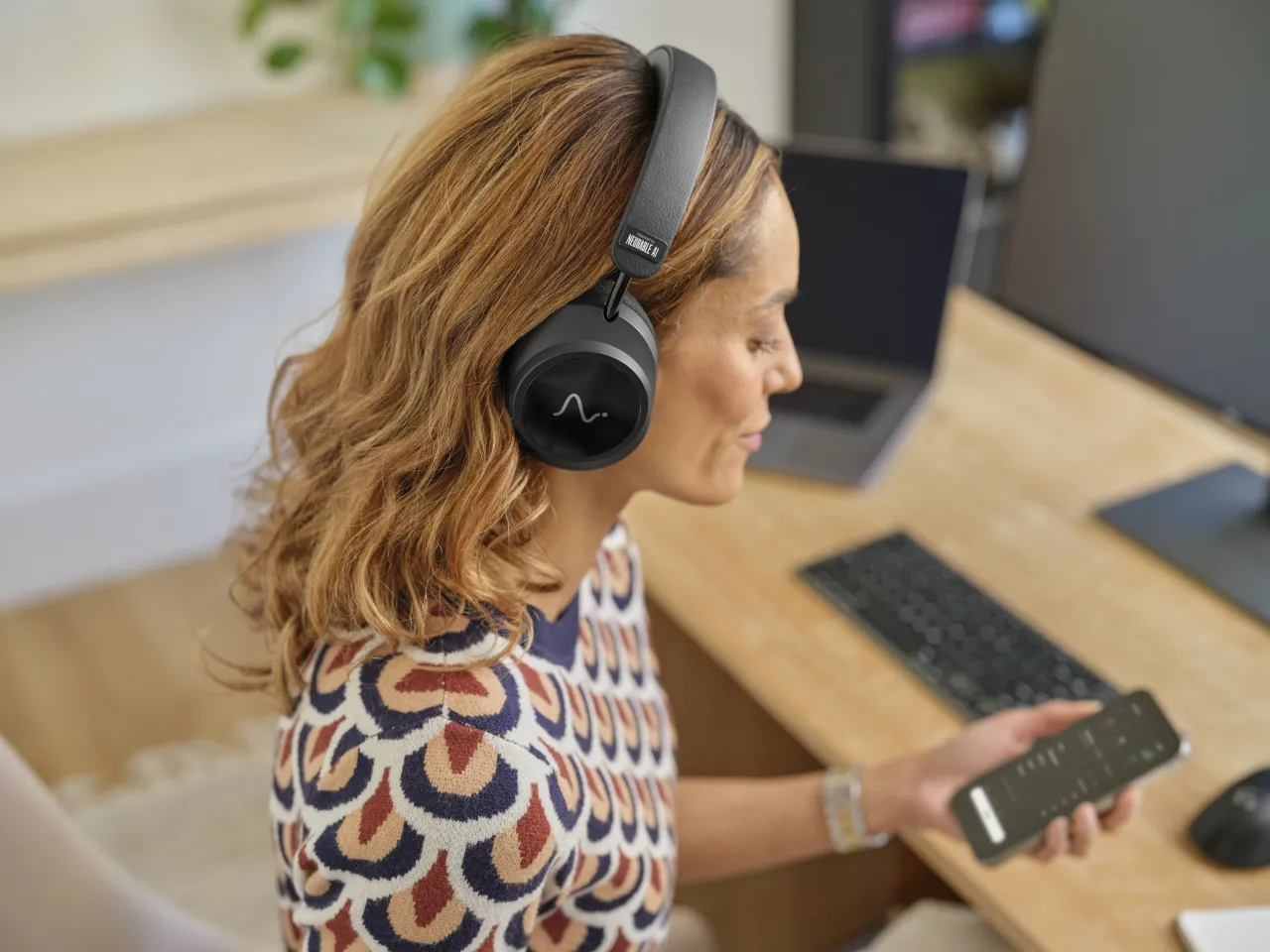
Neurable One hides 12 EEG sensors inside premium ANC headphones to track focus and fatigue, turning brain activity into real-time biofeedback while still working as an everyday pair of wireless headphones. Continue Reading Category: Consumer Tech , Technology Tags: Brain activity , Headphones , Monitoring , EEG , Noise-Canceling , Well-being
- Robotics4 days ago
PTC acquisition positions Schneider Electric to challenge Siemens
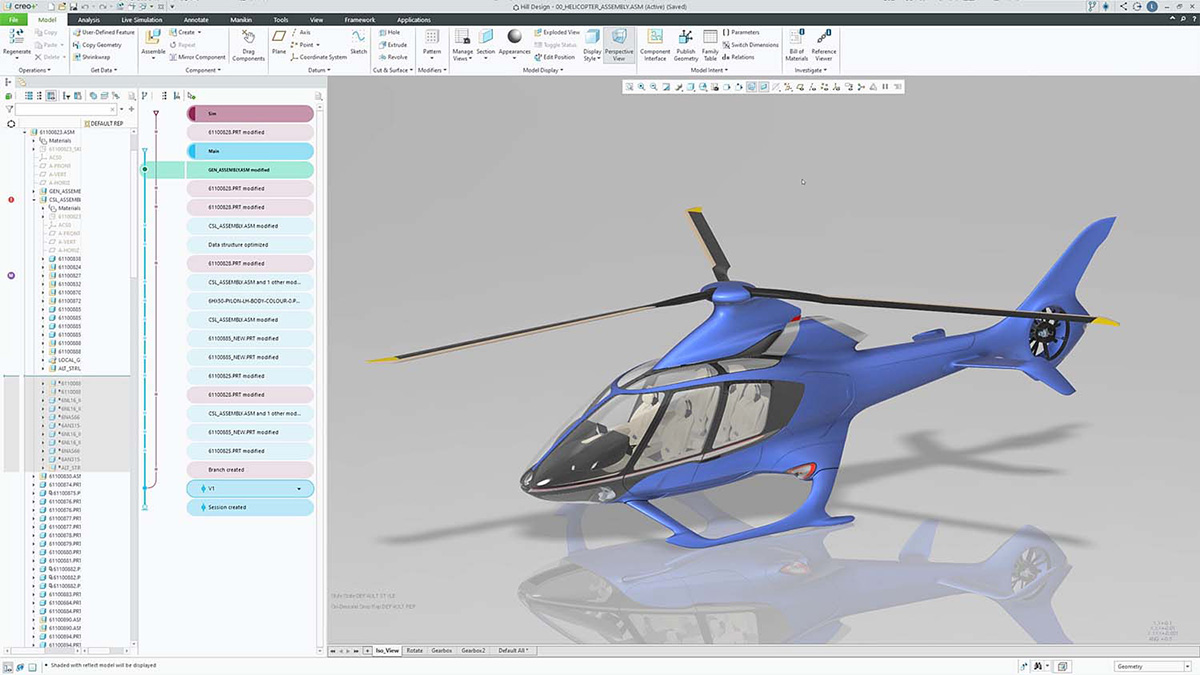
PTC’s Creo CAD supports complex 3D product design and is available through Creo+, its SaaS offering. Source: PTC Global energy company Schneider Electric this week said it will acquire industrial design, engineering, and data management firm PTC Inc. for about $22.6 billion. The Boston-based companies claimed that the combination will bridge the “digital and physical worlds across the lifecycle, from design and build to operate and maintain.” Schneider Electric said it will be better able to serve industry with digitalization and AI , combining its operational expertise with PTC’s design and data intelligence. The company said a “digital thread” will provide CAD-to-shop floor continuity, accelerate robot testing in simulation, enhance regulatory compliance, and facilitate maintenance. “By connecting and contextualizing data across the lifecycle of products and assets, we will create a unique digital thread for the next generation of industrial AI, helping customers to optimize their systems with greater intelligence, from design and build to operate and maintain,” stated Olivier Blum, CEO of Schneider Electric. “We gain substantial scale and resources to accelerate innovation, advance our Intelligent Product Lifecycle vision, and expand our business into more geographies and end markets to serve more customers,” added Neil Barua, president and CEO of PTC . Register now and help us celebrate 20 years of RoboBusiness! Acquisitions could help Schneider compete with Siemens The PTC deal could help Schneider Electric compete with Siemens and other global leaders in industrial automation and software in sectors such as aerospace and defense , noted Matthieu Kulezak, a senior analyst at Interact Analysis . “PTC would extend Schneider’s reach from factory operations and energy management into product design and lifecycle management,” he told The Robot Report . “Together with AVEVA and the proposed Cogni