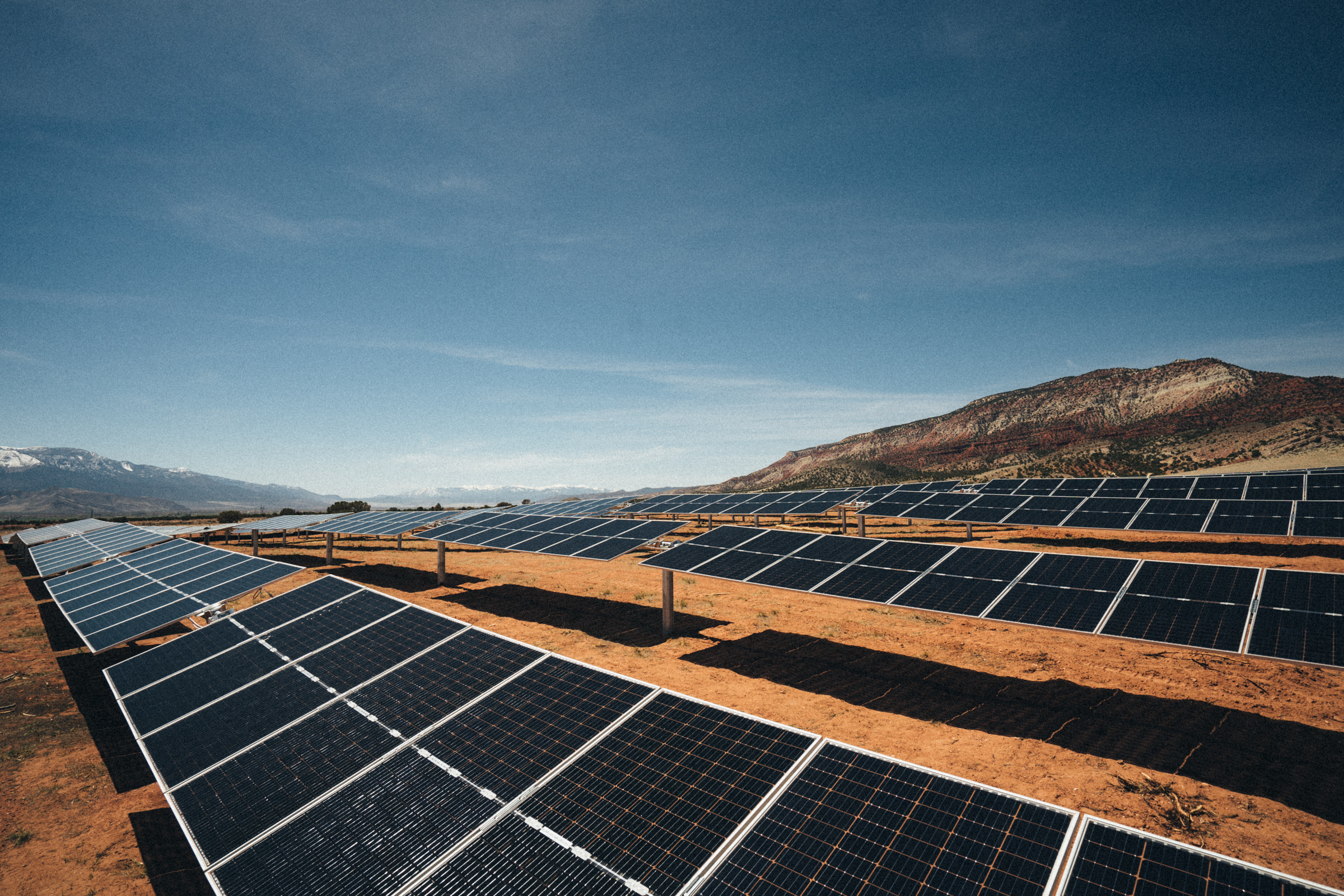
Solar trackers are, in a sense, a victim of their own success in the North American market. They have become the default technology for utility-scale projects with a market penetration rate of over 90%. This saturation has created its own challenge – with the domestic market close to fully saturated, there is little room for growth. US tracker shipments are forecast to decline annually from 2026 to 2035.
Over the past decade, the underlying technology of solar trackers has matured. While proprietary algorithms, software and terrain-following capabilities still provide differentiation, the core mechanical components have become increasingly commoditized, making it challenging to compete on hardware alone.
This market plateau is compounded by the solar capex ceiling. Mounting systems represent only around 10% of the total capital expenditure for a US utility-scale solar project, so tracker vendors remain locked out of 90% of the capital deployed on every project they supply. Expanding into adjacent components offers a lucrative opportunity to unlock new revenue streams.
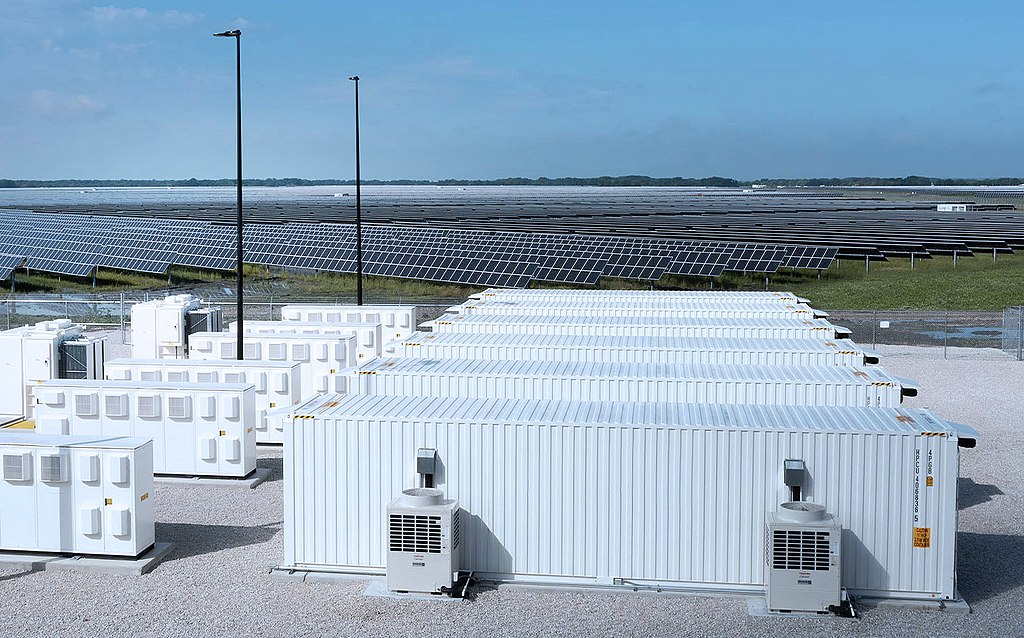
Mergers and acquisitions (M&A) deal size and frequency increased considerably in 2025 and 2026, revealing a clear strategic evolution. While initial acquisitions focused on adjacent components like solar foundations and fixed-tilt systems, the focus has since shifted toward high-value, non-core components. Some tracker suppliers have expanded into battery energy storage systems (BESS), power electronics, robotics, and electrical balance of systems (eBOS), signaling a strategy to build a comprehensive, integrated solar offering with an increasing focus on grid interaction.
Expanding into non-core components unlocks new revenue streams. Installation robotics, for example, would enable tracker suppliers to capture a share of installation costs, which represent the largest cost component of solar project capex in the United States.
Source link