Social Media

Chicken nuggets: is response to viral clip a storm in a takeaway carton, or ‘the British pizzagate’?
- Social Media6 hours ago
The Simple AI Framework I Use to Cut Administrative Waste
AI delivers the greatest business impact when it's implemented strategically to eliminate repetitive administrative work, reduce burnout and free employees to focus on high-value, relationship-driven tasks.
- Social Media7 hours ago
Why is there a shortage of 'wizard' elevator mechanics?
The pay is good and there's lots of work, so what's behind the shortage of elevator mechanics?
- Social Media7 hours ago
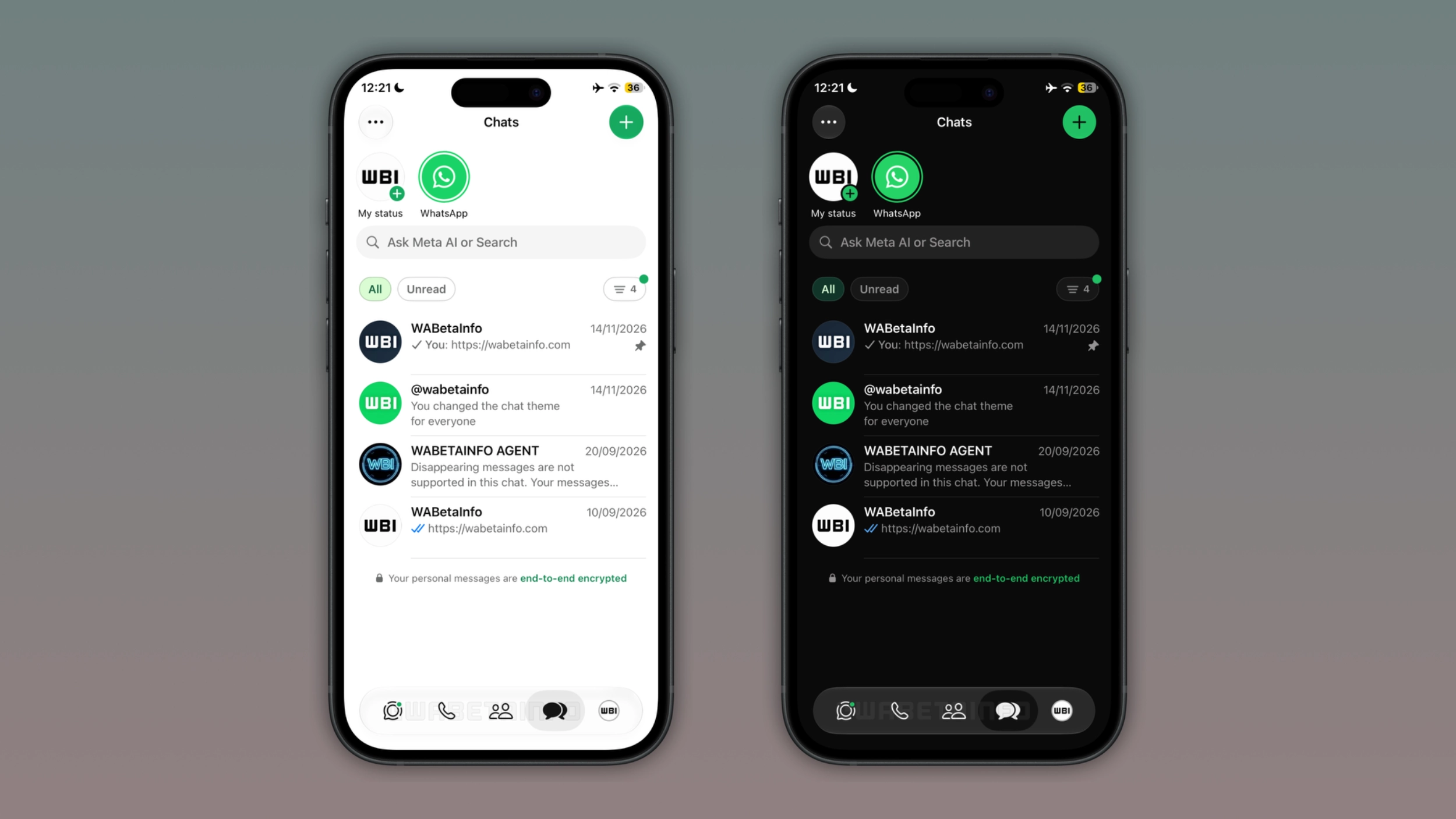
WhatsApp is rolling out a minimal design for the tab bar on iOS
WhatsApp is introducing a cleaner design for the tab bar by removing text labels. WhatsApp keeps its icons visible, but the tab bar no longer shows any text below them. This makes the tab bar more compact and similar to the one available on the Android app. Key Points Details Feature: Minimal design for the […]
- Social Media8 hours ago
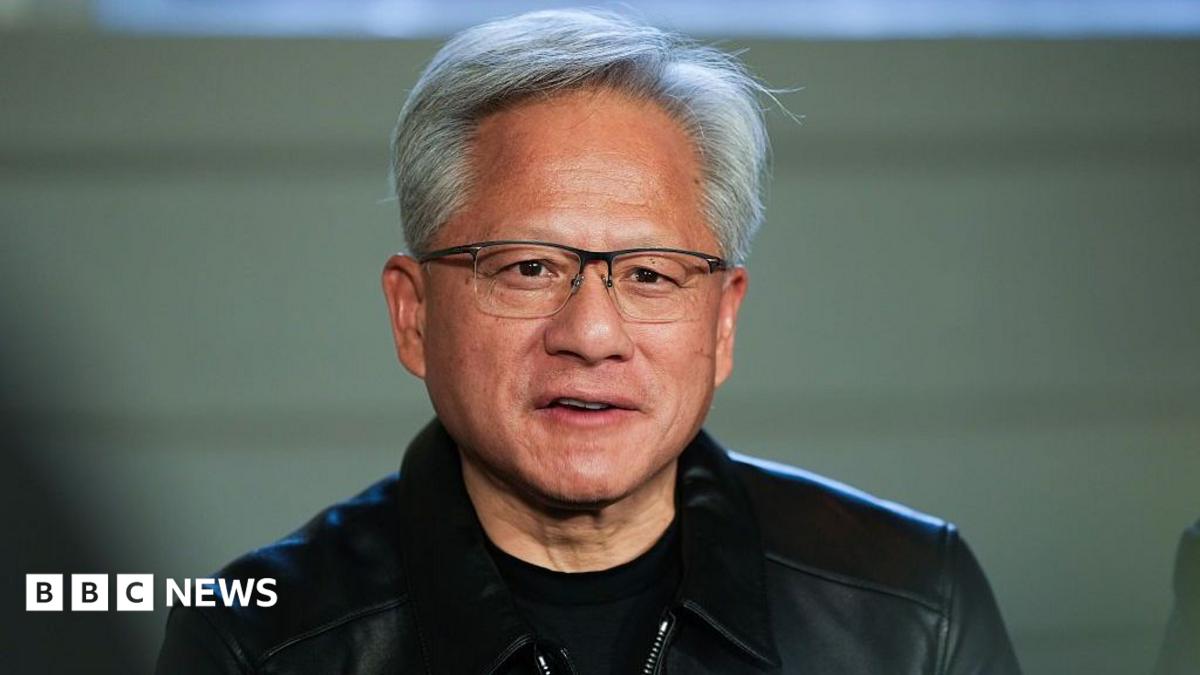
Asia made a big AI bet on Nvidia. What happens now?
Asian stocks have been on a rollercoaster ride after Jensen Huang's shock return as Nvidia CEO.
- Social Media11 hours ago
Influencer marketing in 2026: strategy, types & ROI
Key takeaways Influencer marketing is a fast-growing market. The global influencer marketing platform market is projected to reach $97.55 billion by 2030, up from a projected $34.25 billion in 2025. Smaller creators often outperform big names. Nano-influencers see the highest engagement rates on Instagram, at 6.23%, usually at a fraction of a mega-influencer’s cost. A measurable influencer marketing strategy needs three things: clear goals, proper creator vetting, and tracking tied to business outcomes like conversions and cost per acquisition. Long-term partnerships beat one-off posts. Ongoing creator relationships build more trust and more durable return on investment than a single sponsored post. What is influencer marketing? Influencer marketing is a social media strategy where brands partner with content creators to promote their products or services to their engaged audience . It’s a projected $12.17 billion market in the U.S. alone, and it sits inside almost every major brand’s media plan now. Think of it as digital word-of-mouth marketing — instead of your neighbor raving about their new air fryer over the fence, it’s someone with 20,000 TikTok followers influencing your next purchasing decision. Celebrity endorsements were the original form of creator partnership . But today, social content creators with niche audiences can be even more powerful marketing tools. These influencers often have stronger relationships with their followers, making their recommendations more impactful. Bonus !!! Download our free influencer campaign template to plan your next campaign and choose the right influencer with ease. Download now! Why is influencer marketing growing so fast? Influencer marketing is growing because brands are shifting toward authentic, trust-based engagement over traditional advertising. More organizations are partnering with creators each year, according to Hootsuite’s latest Social Media Trends survey — an impressive trajec
- Social Media12 hours ago
X finally gets parental controls after 20 years
Elon Musk's social network X has finally added parental controls for teenagers, giving parents and guardians a way to manage what their kids see on the platform.
- Social Media13 hours ago
Should You Run Your Own AI or Pay a Provider? Here’s How to Decide.
Open-weight models finally give businesses a real choice between running AI on their own servers or renting it from the cloud.
- Social Media14 hours ago
What is a sponsored post? Types and examples (2026)
Key takeaways Sponsored posts include any social media content a brand pays to promote, either through platform ad tools (a boosted post) or through an influencer partnership. Each platform has its own tools and labels for sponsored content, from Instagram’s paid partnership label to TikTok’s Spark Ads and LinkedIn’s Campaign Manager. FTC disclosure rules require clear and conspicuous labelling on all paid content. Non-compliance can lead to enforcement action against both the brand and the creator. Measuring ROI takes UTM parameters, unique discount codes, and platform analytics. Likes and comments alone won’t tell you whether a campaign paid for itself. What is a sponsored post? A sponsored post is any social media post you’ve paid to promote. When you create a sponsored post, you’re spending money to help it reach a wider audience. “Sponsored post” works as an umbrella term. It covers posts you pay a platform to distribute, posts you pay a creator to publish, and editorial-style branded content produced with a publisher or partner. What they share is money changing hands to get a message in front of people who wouldn’t have seen it organically. Platforms label these posts so users can tell the difference. Facebook and LinkedIn mark paid placements as “Sponsored” or “Promoted,” Instagram uses a “Paid partnership with [brand]” tag above creator posts, and TikTok adds a disclosure to content flagged with its branded content toggle. In the US, those labels sit alongside Federal Trade Commission rules that require disclosure of any material connection between a brand and a creator. You can find sponsored posts on every social media platform, including Instagram, TikTok, Facebook, and even LinkedIn. Bonus !!! Download our free influencer campaign template to plan your next campaign and choose the right influencer with ease. Download now! What are the types of sponsored posts? Ther
 SponsoredBiba
Get Women's Festive Fusion Sets Starting from Rs. 1349
- Social Media15 hours ago
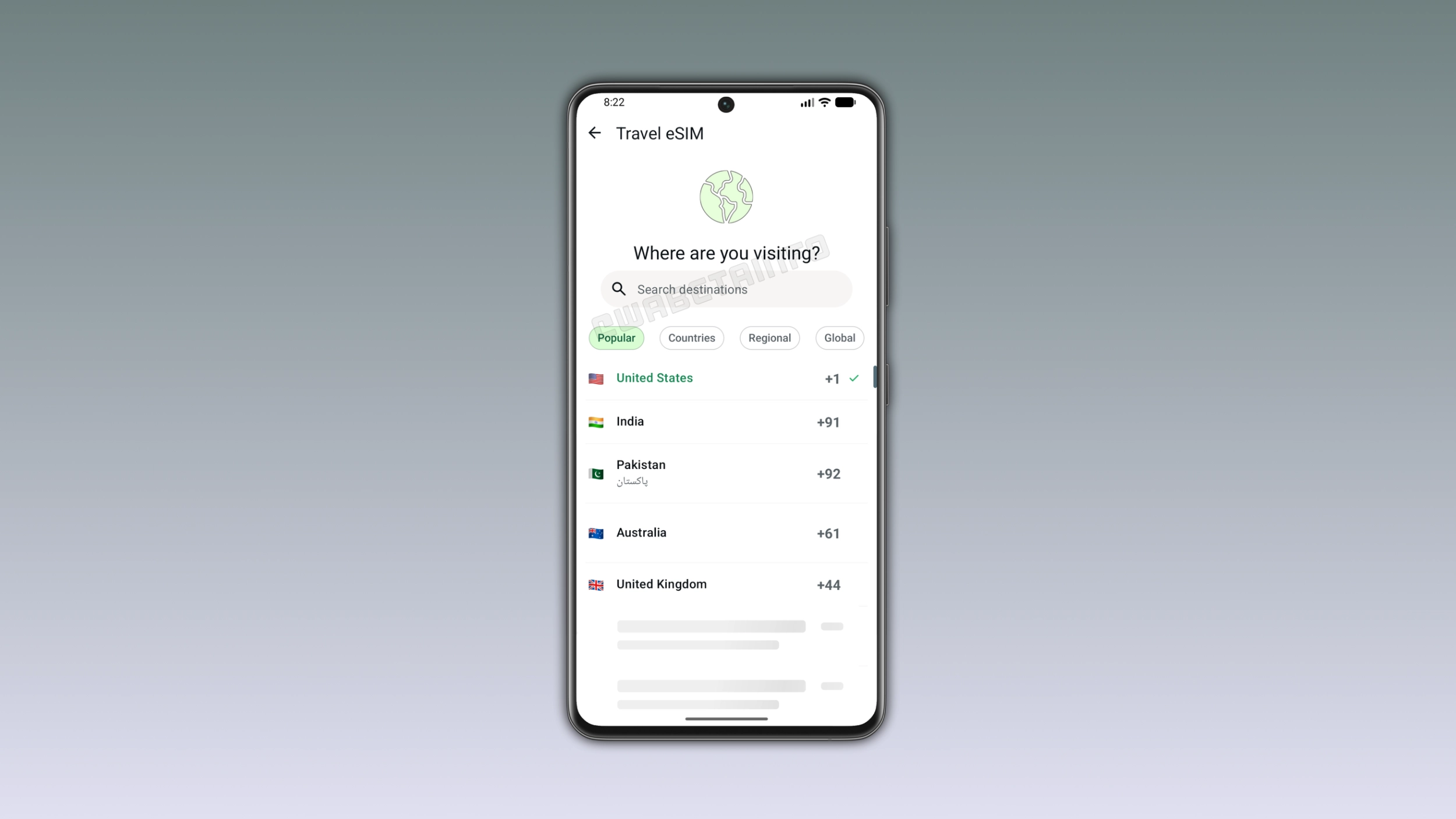
WhatsApp announces Travel eSIM data plans on Android and iOS
WhatsApp announces a new feature that lets users buy a data plan for a Travel eSIM. Users can get data coverage for their destination in a few seconds without leaving WhatsApp. The feature works on the same phone number, so users can keep using WhatsApp exactly as they normally would. Key Points Details Feature: Travel […]
- Social Media15 hours ago
40 Pinterest stats that matter to marketers in 2026
Key takeaways Pinterest reached 631 million monthly active users in Q1 2026, its tenth straight quarter of double-digit growth. Women make up 70% of users , and Gen Z is the platform’s fastest-growing audience . Pinterest users run more than 80 billion searches a month and are nearly 90% more likely than users on other platforms to say they’re ready to shop. Only 22% of companies market on Pinterest, which means less competition and lower ad costs for brands that show up. Pinterest growth and platform statistics Start with the headline numbers. These stats show how big Pinterest is, how fast it’s moving, and how people feel about being there. 1. As of Q1 2026, Pinterest has 631 million monthly active users (MAUs) 631 million people use Pinterest every month, up 11% year over year. That marks the tenth straight quarter of double-digit user growth. For marketers, that steady climb in monthly active users means a bigger, more reliable audience to reach, and a sign Pinterest isn’t going anywhere. 2. Brand and product research is Pinterest’s #1 use case It’s the single most popular activity among Pinterest users, outranking entertainment, posting, news, and messaging. Source: Datareportal 3. Pinterest users enjoy the platform more than most social networks Pinterest has a reputation as one of the calmer corners of the internet, and the numbers back it up. It scored 78 on the American Customer Satisfaction Index (a measure of how satisfied US consumers are with a service) in 2025, beating Instagram, TikTok, and Facebook. That goodwill matters. When people actually enjoy being on a platform, they’re more receptive to the content and brands they run into there, which makes Pinterest a friendlier place to market than the platforms people love to complain about. Source: Statista 4. Many of the most-followed Pinterest accounts belong to retailers and brands Brands hold a lot of the top spots on Pinterest, including Etsy (11.0M follower
- Social Media16 hours ago
Muse's UK launch gives brands an approval problem they haven't thought through yet
Meta's AI agent is live for UK adults, with M&S, ASOS and Sainsbury's already plugged in. The company says users stay in control. The reality is messier, and social teams aren't ready.
- Social Media16 hours ago
TikTok gives creators an AI deepfake scanner and viewers the dial to turn AI content down
The platform's new Likeness Detection tool and public AI checker shift who controls AI transparency on the feed, but only creators who pass eligibility can use the first line of defence.
- Social Media16 hours ago
YouTube swept the Clio Creator Awards it paid to present, and no one's pretending that's a coincidence
YouTube creators took seven of 13 Grand awards at the inaugural Clio Creator Awards, the ceremony YouTube sponsored. The wins are real, the work is strong, but the optics expose how creator recognition now follows the cheque, not the craft.
- Social Media16 hours ago
YouTube counted 3.5 billion GTA VI views on launch day, then built a 24-hour livestream and a custom Shorts effect around it
YouTube is treating the game as a platform play rather than a creator trend, publishing view data, running creator programming and offering branded tools the same week the title launched.
- Social Media17 hours ago
The Sauce Spotlight: Magalí Mas D'Amato, Head of Marketing at SocialDay
Meet Magalí Mas D'Amato, Head of Marketing at SocialDay, in The Sauce's Social Media Marketer Spotlight Q&A. Favourite platform: LinkedIn Favourite social media tool: The Sauce News Roundup Emails One piece of career advice: Fall in love with data!
- Social Media20 hours ago
How to become a head of social media: the five-stage path, skills and UK pay
The short answer: build from running channels to owning strategy, then add people leadership, budgets and exec-level storytelling. Here is the full path, with UK salary ranges from the SocialDay Career Ladder.
 SponsoredIndian Gifts Portal
Save Up to 45% on Diwali Gifts!
- Social Media20 hours ago
Instagram Trial Reels: How They Work + What I Learned Testing Them
Let's be reel real: no matter how well-thought-out your Instagram strategy is, you can never predict exactly how it’s going to perform. Your followers (and potential followers) are human, after all, and there is so much nuance in the way folks behave online. This is why I often advise aspiring Instagram creators and social media marketers to experiment . Try new things. Take risks. Don’t ignore those wild ideas. And, while this might not feel like much of a hurdle on platforms like TikTok, it’s a little easier said than done as an Instagrammer. The platform is a lot more focused on a curated, aesthetic feed than others. It’s also a place where followers are hard-won. Taking risks and trying new things might result in some unfollows, which is scary. How do you get around that? Instagram's answer is trial reels. I've been using trial reels since Instagram launched them in December 2024, and they've changed how I decide what goes on my main feed. Over the past few months, I've almost tripled my Instagram following ( I'm at over 13K now! ). 🥳 Trial reels are one of the main tactics I used to get there. In this article, I'll explain exactly how to use Instagram trial reels (I promise, it's so much easier than you think), how to schedule them, why you should if you're looking to grow your following on Instagram , and give you some ideas for your own tests. Key takeaways Trial reels are shown only to non-followers, so you can test a reel without it appearing in your followers' feeds or on your profile. If you have a professional (business or creator) account, you'll need at least 200 followers, while personal accounts must have at least 1,000 followers. Trial reel insights appear anywhere between one and 24 hours after posting, and Instagram can share a trial with your followers automatically if it performs well within 72 hours. Trial reels reach far fewer people than regular reels (
- Social Media20 hours ago
How To Use New TikTok Comment Features To Speed Up Conversion
Wondering how to turn TikTok comments into leads and sales when you can’t post links in comments or use a chatbot? Want to know how to use TikTok voice comments, comment polls, carousel comments, and Keyword Amplifier to move viewers closer to buying? In this article, you’ll discover how to use TikTok’s new comment features […] The post How To Use New TikTok Comment Features To Speed Up Conversion appeared first on Social Media Examiner .
- Social Media21 hours ago
8 Best Loomly Alternatives to Try in 2026 (Free + Paid)
Loomly has a lot going for it. If you’re a small team that needs structured hand-offs, it’s a great pick. Posts move through clear approval steps, each client or brand can live in its own calendar, and the Interactions inbox lets you hand conversations to the right teammate.  It gets harder once your team begins to grow — either in size or in the number of channels you manage. Loomly's plans don't scale in small steps, and it's one of the things that might send you searching  for alternatives: Budget: Starter is $65/month for 12 social channels and 3 users, and the next plan up is $332/month. A fourth teammate or a 13th account means a big jump with nothing in between. Free plan: There is one, but it's capped at 5 posts a month across 3 social channels. Ease of use: The interface can feel clunky, so everyday tasks might take you longer than they should. X/Twitter: Loomly doesn't support it, so teams posting on X need a separate tool. AI usage: AI is capped on every plan, with “minimal” usage on Free and “limited” on Starter. Loomly doesn’t publish the actual limits, so it's not super clear how close you are to the cap. I've spent a lot of hands-on time testing Loomly and many of the tools on this list myself (seriously — here’s a look at all the tools I’ve tested over the last few months). Here are eight Loomly alternatives worth a look, what they cost, and where each one shines. Key takeaways Best overall value: Buffer pairs a real free plan with paid plans from $6/channel per month, with X/Twitter included in every plan. Best for approval-first collaboration: Planable has strong approval workflows, with sign-off rules per workspace and unlimited users on the entry plan. Best for agencies that want to white-label their tools: SocialPilot lets you run the platform under your agency's own name, domain, and branding. B