This article has been reviewed according to Science X's editorial process and policies. Editors have highlighted the following attributes while ensuring the content's credibility:
Labor shortages, supply-chain volatility and growing demand for customized products are forcing a fundamental rethink of how work gets done in U.S. manufacturing. To remain competitive, manufacturers must produce increasingly complex parts with fewer workers, shorter lead times and greater flexibility than ever before.
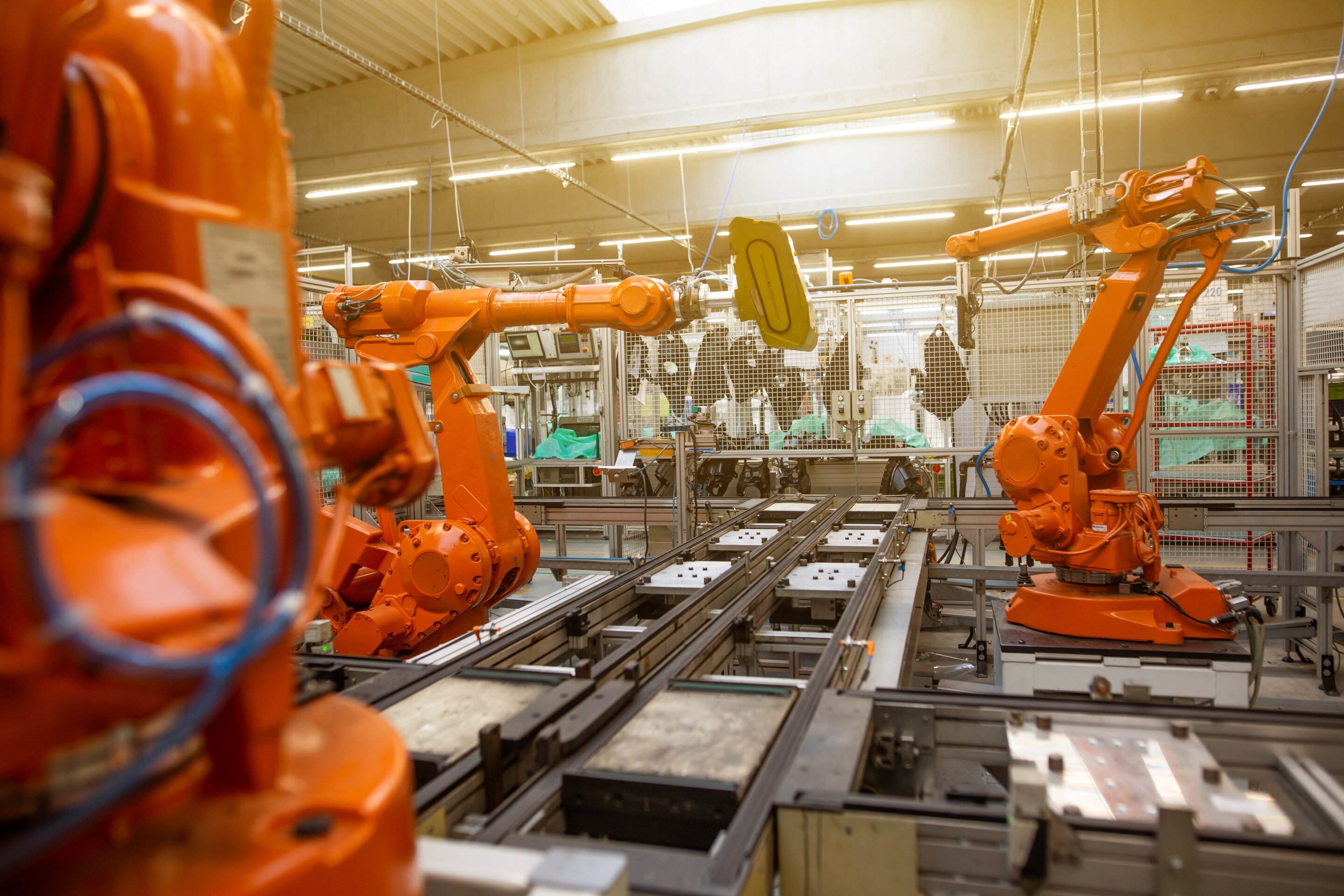
Inside the Department of Energy's (DOE) Manufacturing Demonstration Facility (MDF) at Oak Ridge National Laboratory (ORNL), researchers are addressing these challenges by designing, integrating and validating intelligent automation systems tailored for high-mix, low-volume production.
Rather than competing on labor costs, these smart, flexible systems allow U.S. manufacturers to differentiate through capability, speed and adaptability. By sensing their environment and responding to variability in real time, these systems improve speed, consistency and reliability—capabilities that are becoming essential as workforce constraints persist and production grows more complex.
At the center of this work is Joshua Vaughan, leader of ORNL's Manufacturing Robotics and Controls Group. Vaughan and his team focus on automation systems designed not for traditional mass production, but for the flexible, variable manufacturing that increasingly defines U.S. industrial demand.
Their work emphasizes automation to extend the reach of a constrained workforce, closing productivity gaps that have historically disadvantaged U.S. manufacturers in global markets.
"Domestic manufacturing productivity has largely plateaued since 2012," said Vaughan. "At a time when productivity is of critical national importance, robotics and automation are a powerful workforce multiplier."
For decades, low-cost overseas labor shaped global manufacturing decisions, often pushing production outside the United States.
Source link