This article has been reviewed according to Science X's editorial process and policies. Editors have highlighted the following attributes while ensuring the content's credibility:
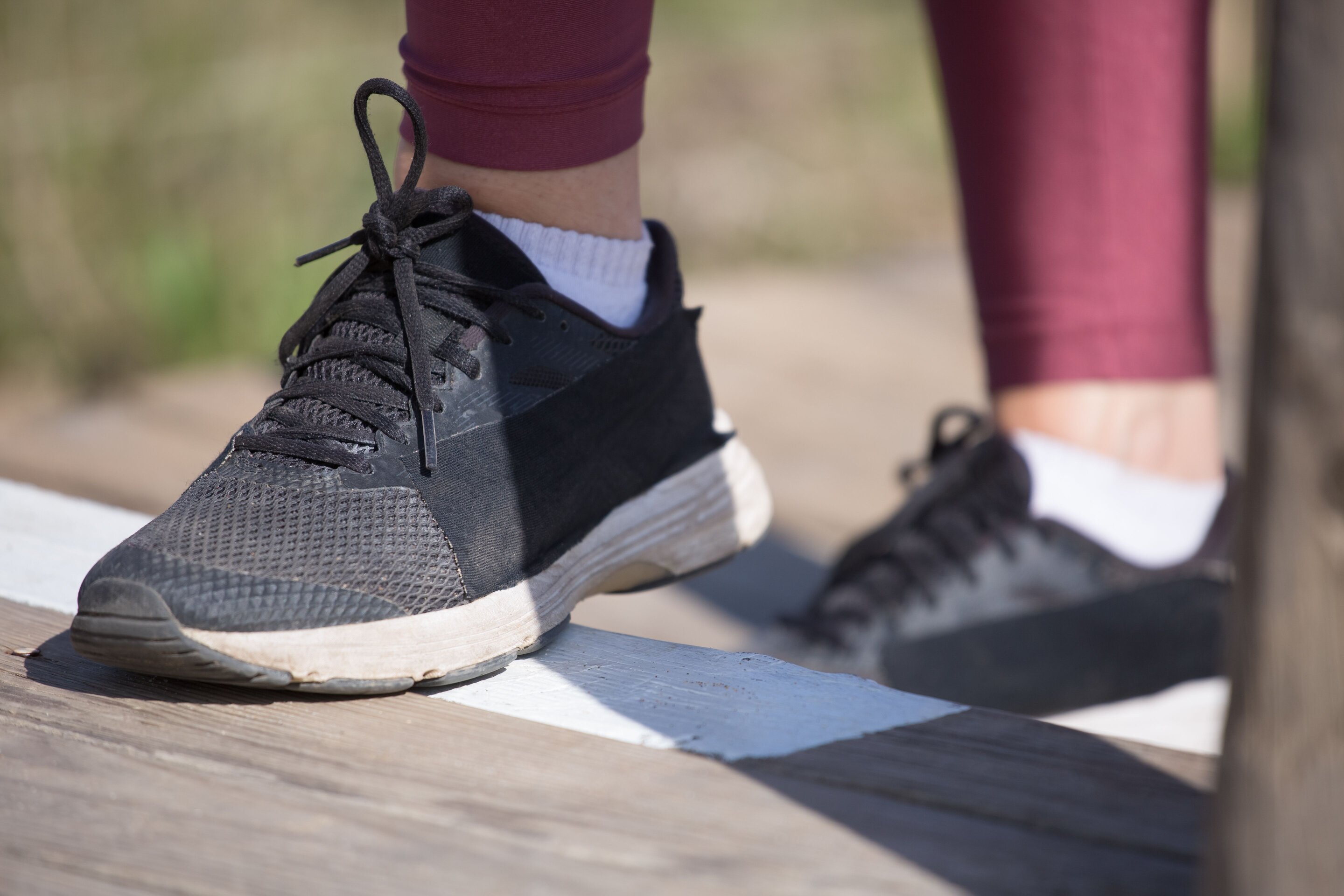
Starting a walking routine takes very little: comfortable, supportive shoes and your own two feet.
Unlike gym workouts, walking costs little up front and fits almost any schedule.
"Walking's a great way to work out because we can integrate it into our daily lives," said Amanda Paluch, an associate professor in the department of kinesiology at the Institute for Applied Life Sciences at the University of Massachusetts Amherst.
"And if you can just fit it around your house or within your neighborhood, it's one of the most convenient options," Paluch said.
Walking briskly for at least 30 minutes a day, five days a week, meets the federal goal of 150 minutes of moderate activity a week, according to the U.S. Department of Health and Human Services.
People who walk more, and walk faster, tend to have lower risks of heart disease, stroke, high blood pressure, type 2 diabetes and dementia, according to a 2023 research review published in GeroScience.
One analysis cited in the review found the fastest walkers had a 44% lower risk of stroke than the slowest walkers.
The review also pointed to a 2022 analysis of 15 studies, led by Paluch, that found the risk of early death kept dropping as daily steps rose. Benefits leveled off at about 6,000 to 8,000 steps a day for adults 60 and older and 8,000 to 10,000 steps for younger adults.
Source link