This article has been reviewed according to Science X's editorial process and policies. Editors have highlighted the following attributes while ensuring the content's credibility:
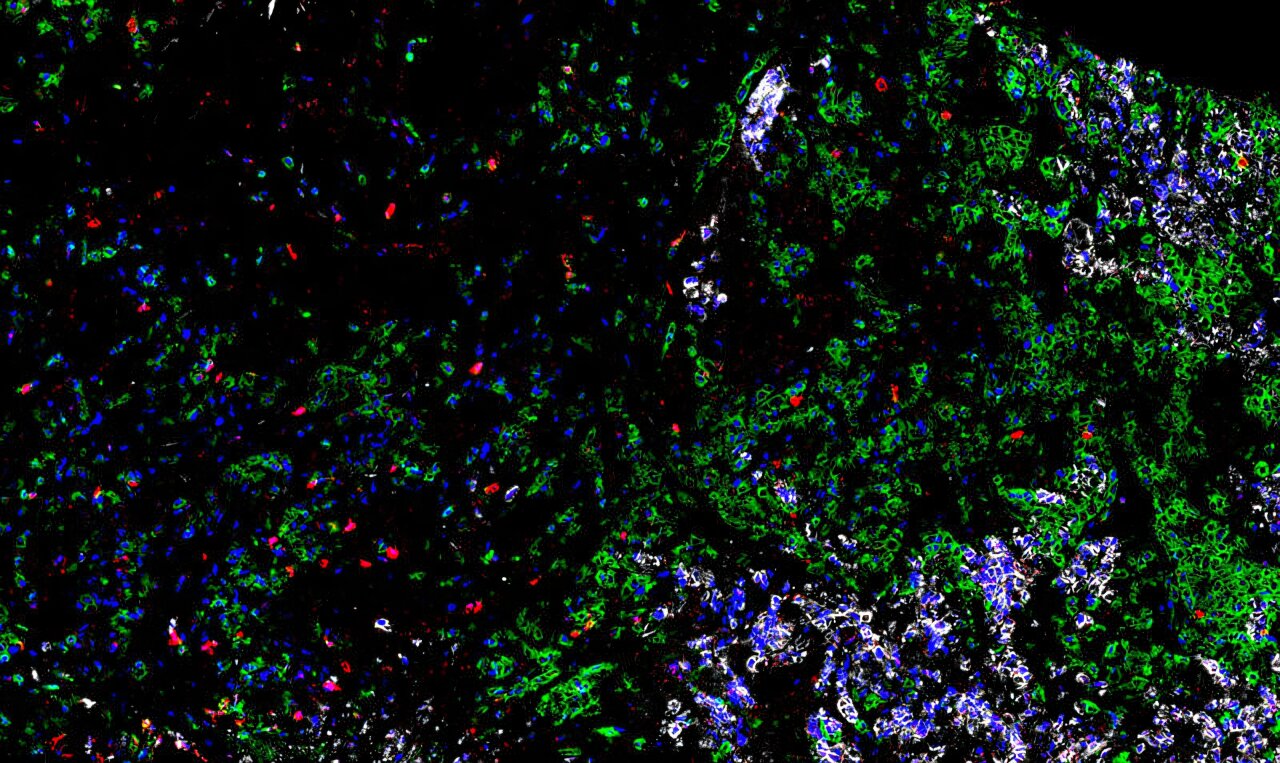
Researchers have uncovered a previously overlooked immune cell that can recognize and kill small cell lung cancer, the most aggressive form of the disease globally. Published in Cancer Cell, the WEHI study found patients with higher levels of these cells lived longer, uncovering a hidden immune defense that could be exploited to attack these hard-to-treat tumors.
Researchers also showed existing drugs could be repurposed to boost the cancer-killing activity of these immune cells, opening new opportunities to strengthen current treatments and help more patients benefit from these therapies.
Small cell lung cancer (SCLC) is one of the world's deadliest diseases, with a five-year survival rate of less than 7%. While immunotherapy has transformed outcomes for other cancers, only a rare subset of SCLC patients will experience long-term benefits from the treatment. One major reason is that these cancers are often invisible to the conventional immune cells that immunotherapy treatments rely on, making them difficult to detect and treat.
The new Cancer Cell study reveals a previously unrecognized immune pathway that can override these invisibility powers, unlocking a potential new therapeutic avenue for SCLC patients.
Kate Sutherland, senior author on the paper and WEHI laboratory head, said the findings could help solve one of the field's most pressing questions: how to boost the number of lung cancer patients who respond to immunotherapy.
"For decades, we've known that small cell lung cancer is exceptionally good at hiding from the immune system," Sutherland said.
Source link