This article has been reviewed according to Science X's editorial process and policies. Editors have highlighted the following attributes while ensuring the content's credibility:
Cachexia is one of the most severe forms of muscle wasting in humans. It affects up to 80% of cancer patients and is caused by cancer cytokines—pro-inflammatory signaling molecules—that are released by the tumor cells themselves. Depending on the type of cancer, cancer-induced cachexia (CIC) is responsible for 30% to 50% of all cancer-related deaths worldwide and is therefore also referred to as the "final disease." There is no curative treatment.
To find an effective treatment approach, a research team led by associate professor (Privatdozent, PD) Dr. Arnab Nayak, a scientist at the Institute of Molecular and Cell Physiology at Hanover Medical School (MHH), is investigating the previously unknown processes associated with CIC. With his research group "Chromatin and SUMO Physiology," he has already demonstrated that cancer cytokines directly interfere with the metabolism of muscle cells and actively reprogram them.
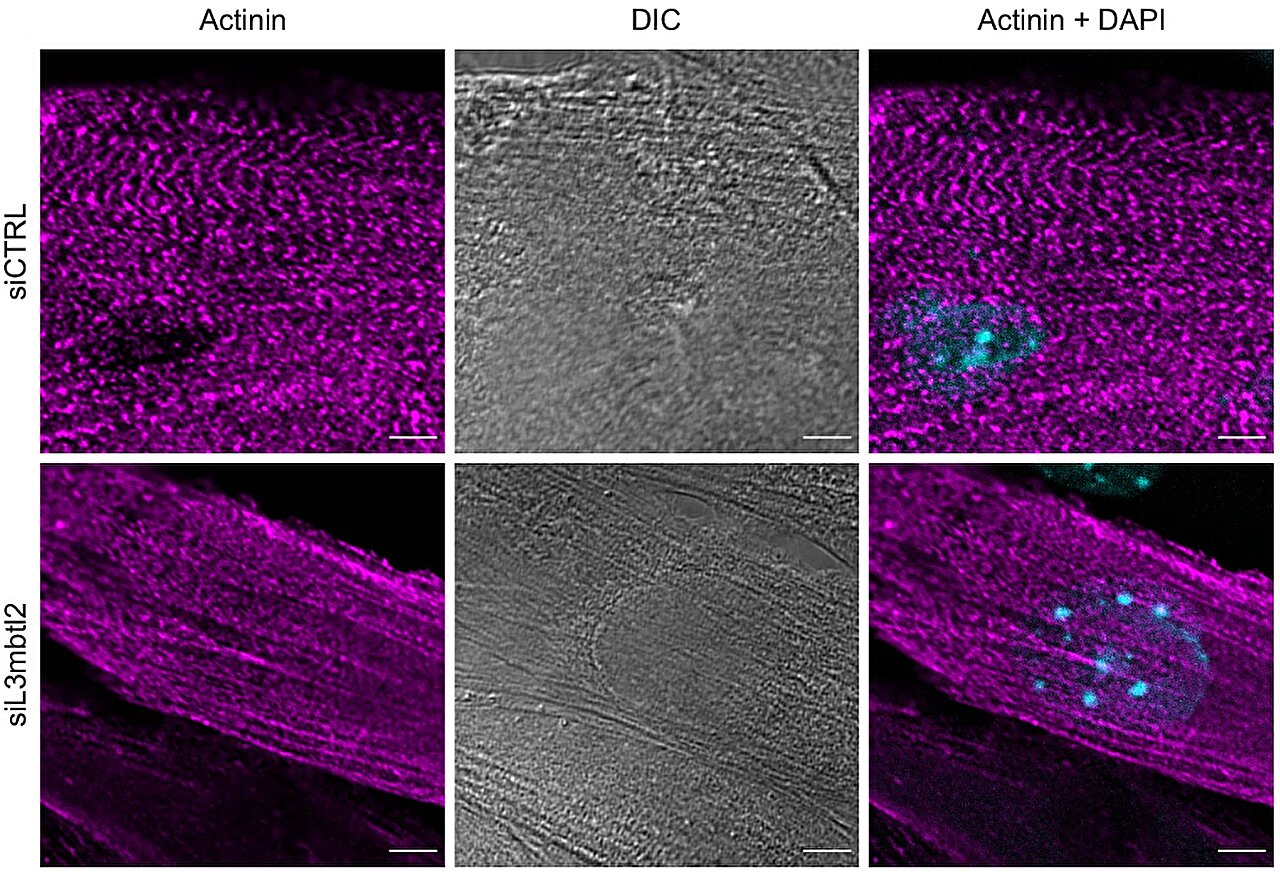
Furthermore, the cytokines ensure that the muscle is unable to release as much calcium, which impairs muscle contraction—that is, the active tightening of the muscle. In his latest study, the molecular biologist outlines the underlying mechanism and presents a possible future approach for a causal treatment. The findings have been published in the journal Cell Death Discovery.
"Research tends to focus on the primary disease, cancer, while the significance of the secondary condition, CIC, is underestimated," says Nayak.
Source link