This article has been reviewed according to Science X's editorial process and policies. Editors have highlighted the following attributes while ensuring the content's credibility:
Researchers at the University of Missouri have uncovered a promising way to protect saliva-producing glands from radiation damage that can make it difficult to eat, swallow, sleep and maintain oral hygiene.
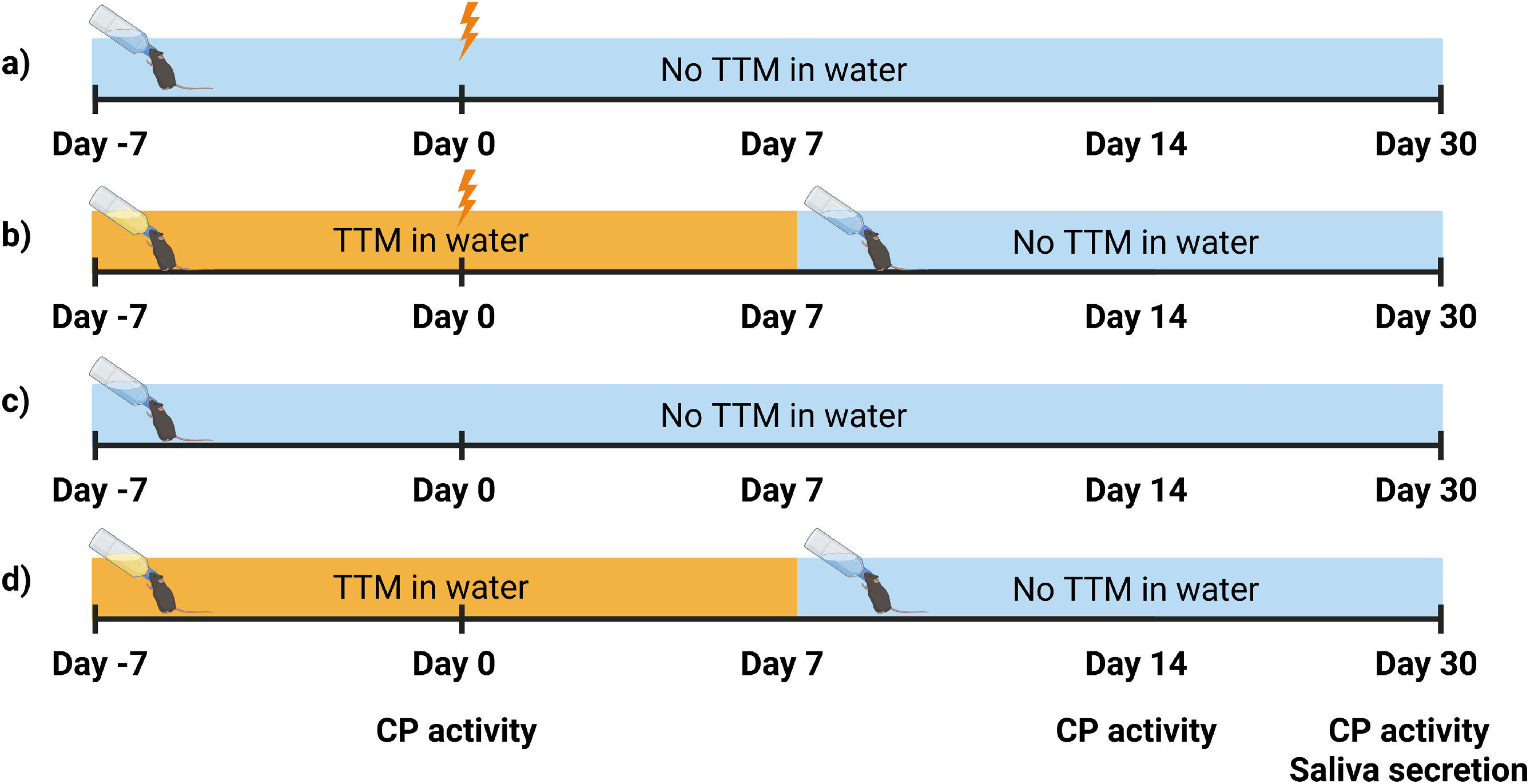
In a new study, Mizzou researchers found that a drug called tetrathiomolybdate, or TTM, helped mice maintain saliva production after radiation therapy. The finding could eventually lead to a way to prevent chronic dry mouth, a debilitating side effect of radiation therapy that can persist long after cancer treatment ends. The findings are published in the journal Advances in Radiation Oncology.
"As a former dentist, I saw firsthand the damage radiation did to the salivary glands of some of my patients, and dry mouth leads to difficulty eating and swallowing, increased risk of dental problems and trouble sleeping," said Olga Baker, a professor in the School of Medicine who helped lead the project. "Those experiences inspired me to want to find a solution, and the collaborators I've met at Mizzou are helping make this translational work possible."
The idea for the research grew out of a collaboration between Baker and Michael Petris, a professor in the School of Medicine and co-author of the study.
Baker knew that radiation can cause an excess of a protein called collagen to build up in the salivary glands, causing stiffness, damage and ultimately a lack of saliva production.
Source link