This article has been reviewed according to Science X's editorial process and policies. Editors have highlighted the following attributes while ensuring the content's credibility:
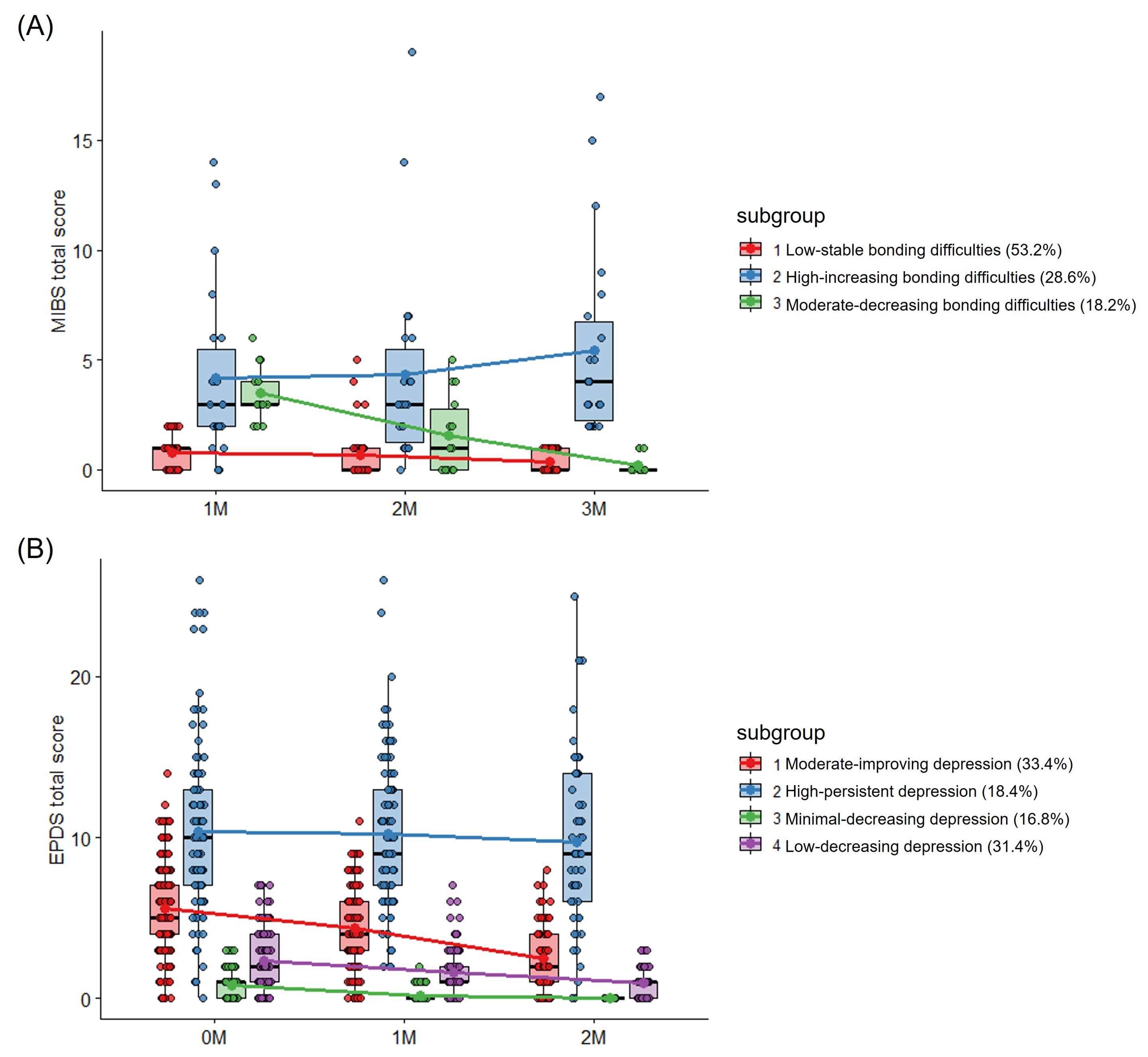
A Japanese study found that higher postpartum depression scores were associated with greater mother-infant bonding difficulties. Repeated assessments identified varied symptom patterns, including mothers whose bonding difficulties increased during the first three months.
The findings suggest that pediatric teams may benefit from monitoring maternal depressive symptoms and bonding repeatedly, rather than relying on a single early assessment, to recognize mothers who may need closer support, consultation or referral to mental health services.
Postpartum depression and difficulties forming an emotional bond with the infant can affect maternal well-being and child development, yet the two problems do not always follow the same course. A single assessment may miss mothers whose bonding difficulties persist or increase after childbirth.
To explore these patterns in routine pediatric care, researchers examined repeated measures of depressive symptoms and mother-infant bonding during the first three months after delivery in a Japanese clinical cohort.
The research team was led by associate professor Takashi X. Fujisawa and professor Akemi Tomoda from the Research Center for Child Mental Development at the University of Fukui, Japan, along with Dr. Tomomi Yasaka from the Division of Developmental Higher Brain Functions at the United Graduate School of Child Development, Osaka University, Japan.
The team analyzed records from 512 mother-infant dyads from a general hospital in Fukuoka City between January 2013 and December 2018. Mothers completed the Edinburgh Postnatal Depression Scale (EPDS) at five days and one, two and three months postpartum, and the Mother-to-Infant Bonding Scale (MIBS) at one, two and three months.
Source link