This article has been reviewed according to Science X's editorial process and policies. Editors have highlighted the following attributes while ensuring the content's credibility:
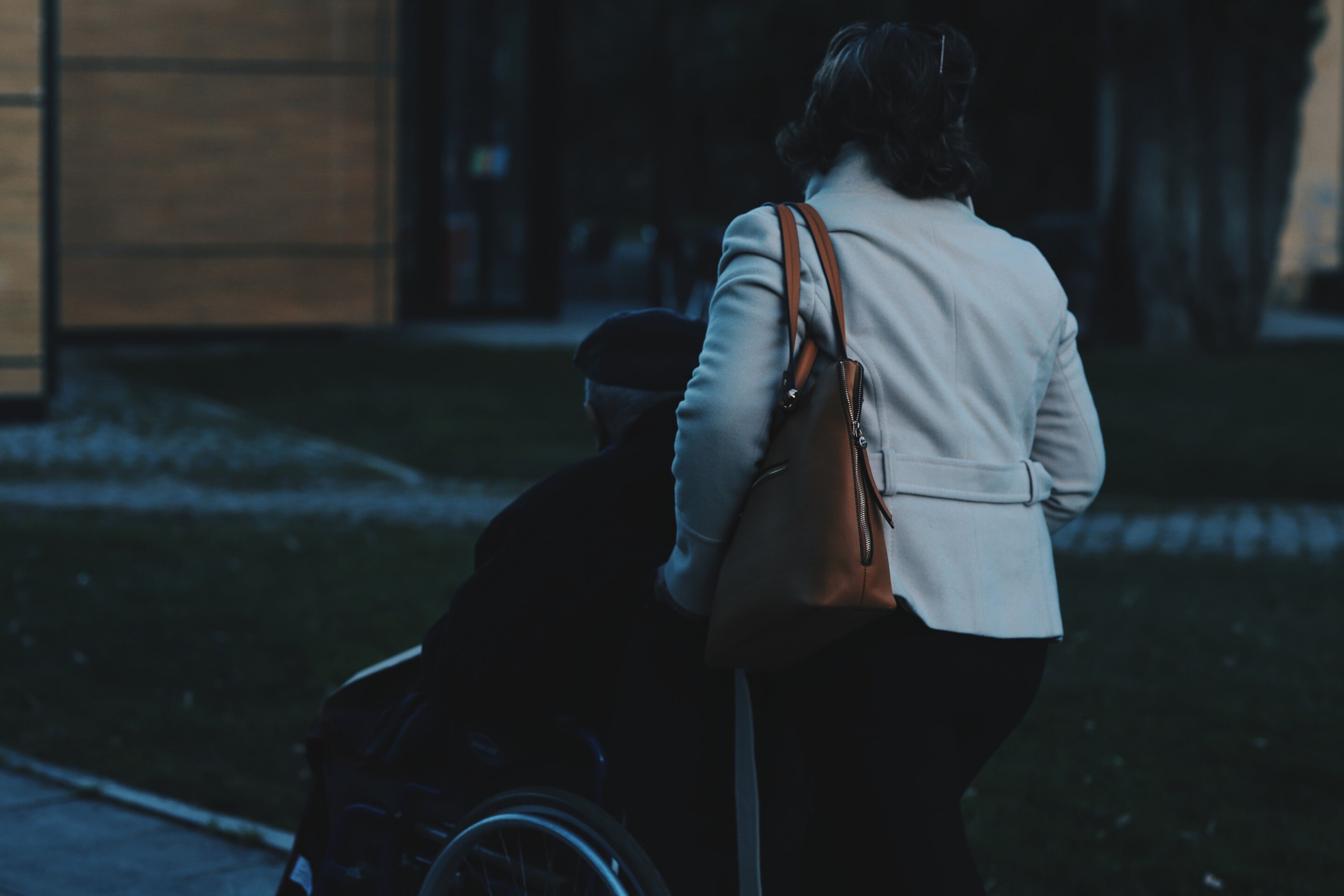
For some people with disabilities, going swimming or attending an exercise class comes with a worry that many others would never consider: Could being seen to be physically active lead to their disability benefits being stopped?
This fear is known as the activity trap. A new report published by Disability Rights UK draws on research I led at Durham University and developed with disabled people and disability organizations. Of the disabled people we surveyed, 80% worried that being physically active could put their benefits at risk.
Only one in five participants who had applied for or were receiving benefits were happy with how much physical activity they did. Nearly three-quarters said they would be more likely to increase their activity if they knew their benefits would not be affected.
Disabled people already face barriers to physical activity, including high costs and facilities that are difficult to access. Nearly 40% of disabled adults in England do less than 30 minutes of moderate-intensity physical activity a week, according to Sport England. This means activity that makes someone breathe faster than usual, such as brisk walking. The proportion is almost twice that of nondisabled adults.
The activity trap was first highlighted in research published in 2018, when almost half of disabled respondents said they feared losing benefits if they were seen being active.
To explore how this fear affects people's lives, we surveyed more than 200 disabled people and held group discussions with more than 30 participants.
Source link