This article has been reviewed according to Science X's editorial process and policies. Editors have highlighted the following attributes while ensuring the content's credibility:
Around half a million Australians use GLP-1 medications for diabetes—and when you add people who use them for obesity and weight-related conditions, the total is much higher.
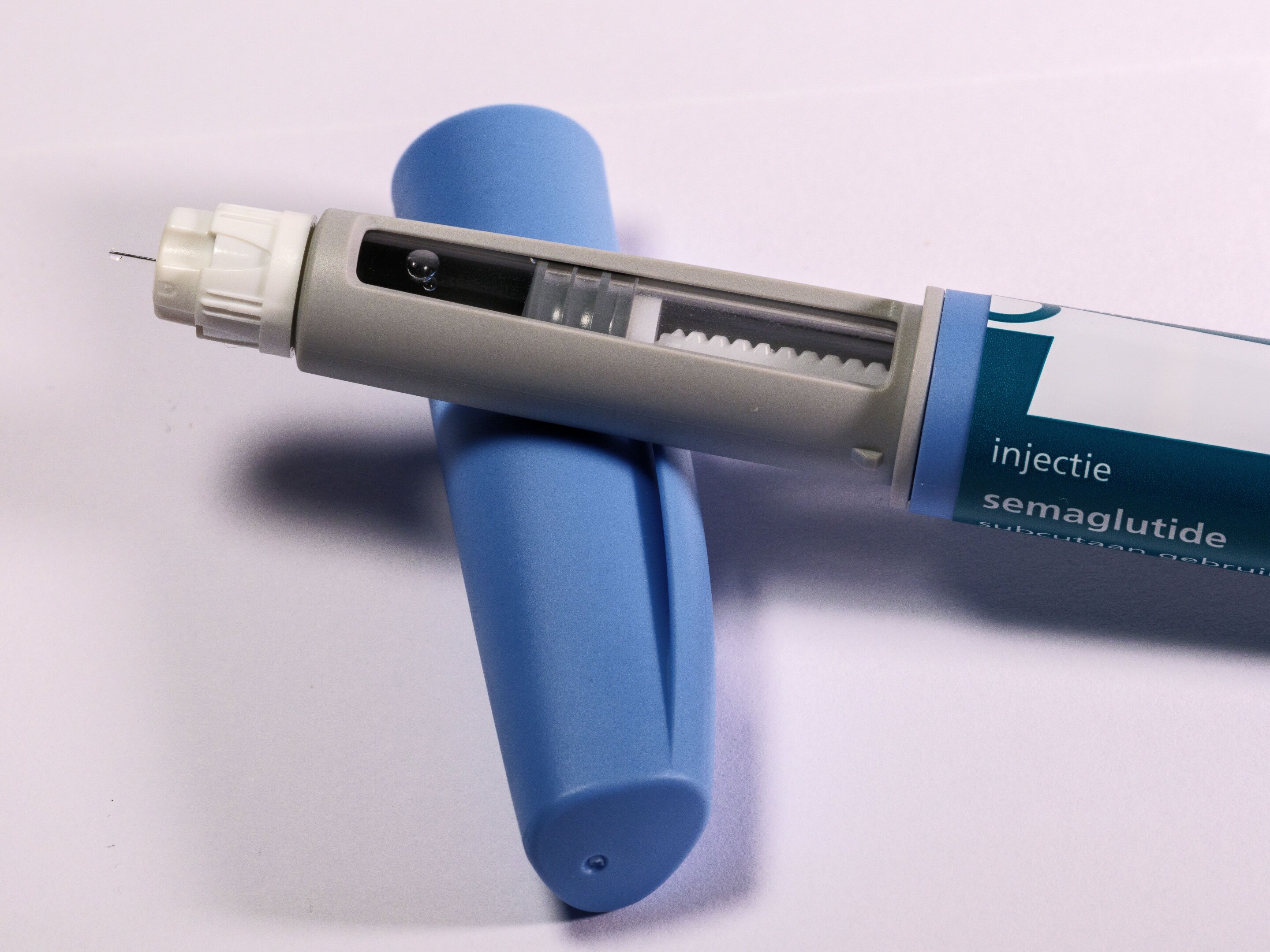
GLP-1s—such as semaglutide (Ozempic or Wegovy) and tirzepatide (Mounjaro)—are very effective at managing diabetes, obesity and metabolic or weight-related health conditions.
But they can come with gastrointestinal and other side effects, including nutritional deficiencies.
If you're taking a GLP-1, here's what you need to know about possible side effects and how to get enough nutrients as your food intake decreases.
When you eat, your body makes the appetite hormones GLP-1 (glucagon-like peptide-1) and GIP (glucose-dependent insulinotropic polypeptide).
When our body produces these hormones, they only remain active for a few minutes.
But medications containing manufactured GLP-1 and GIP are modified to resist being broken down. This is why these medications, known as GLP-1 and GIP receptor agonists, only need to be injected weekly.
Compared to placebo (dummy) medications, average weight losses are about 6.24 kilograms (13.8 pounds) higher in adults with type 2 diabetes or obesity who received semaglutide (1mg weekly), and up to 10.8kg (23.8 pounds) greater for tirzepatide (15mg weekly).
The exact amount depends on your underlying health, the GLP-1 medication, dosage and how long treatment lasts.
In studies lasting more than one year, weight losses are reported as a percentage of starting body weight, and by medication type and dosage.
Source link