Ekniti Nitithanprapas was a young graduate student in the United States when Thailand devalued the baht in 1997, setting off the Asian financial crisis.
A loan from the International Monetary Fund and a raft of recovery measures helped Thailand find a way out of the economic morass.
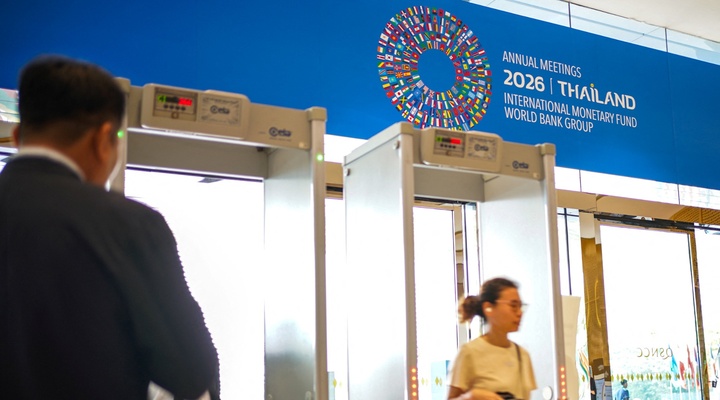
Almost 30 years on, Bangkok will next week host the annual meetings of the IMF and World Bank and Ekniti, now Thailand’s finance minister, is looking to steer the economy through a new challenge: how to escape years of sluggish growth.
“After the financial crisis, our investment-to-GDP has declined to around 22 per cent to 23 per cent at the moment. So that’s why our growth momentum has been so slow,” Ekniti told Reuters in an interview.
“After I took the position as finance minister, I put it at the top of my agenda to push investment-led growth policies.”
Ahead of the Bangkok meetings, IMF Managing Director Kristalina Georgieva warned the global economy was under threat from persistently high energy prices, record public debt and risks from the AI investment boom – all factors for Thailand, where the public debt-to-GDP ratio is nearing the official ceiling of 70 per cent.
Thailand, Southeast Asia’s second-largest economy, has grown by an average of only 2.34 per cent a year over the last five years, lagging regional peers that have recovered more swiftly from the pandemic.
Ekniti last month outlined a plan to hit 3 per cent growth within three years by drawing foreign investment into key sectors such as semiconductors, data centres and advanced manufacturing, including electric vehicles.
Source link