Physicists in California have validated a radio-wave technology that could keep commercial fusion power plants running around the clock. Results published in Physical Review Letters show the first successful test of “helicon current drive” inside a hot fusion plasma.
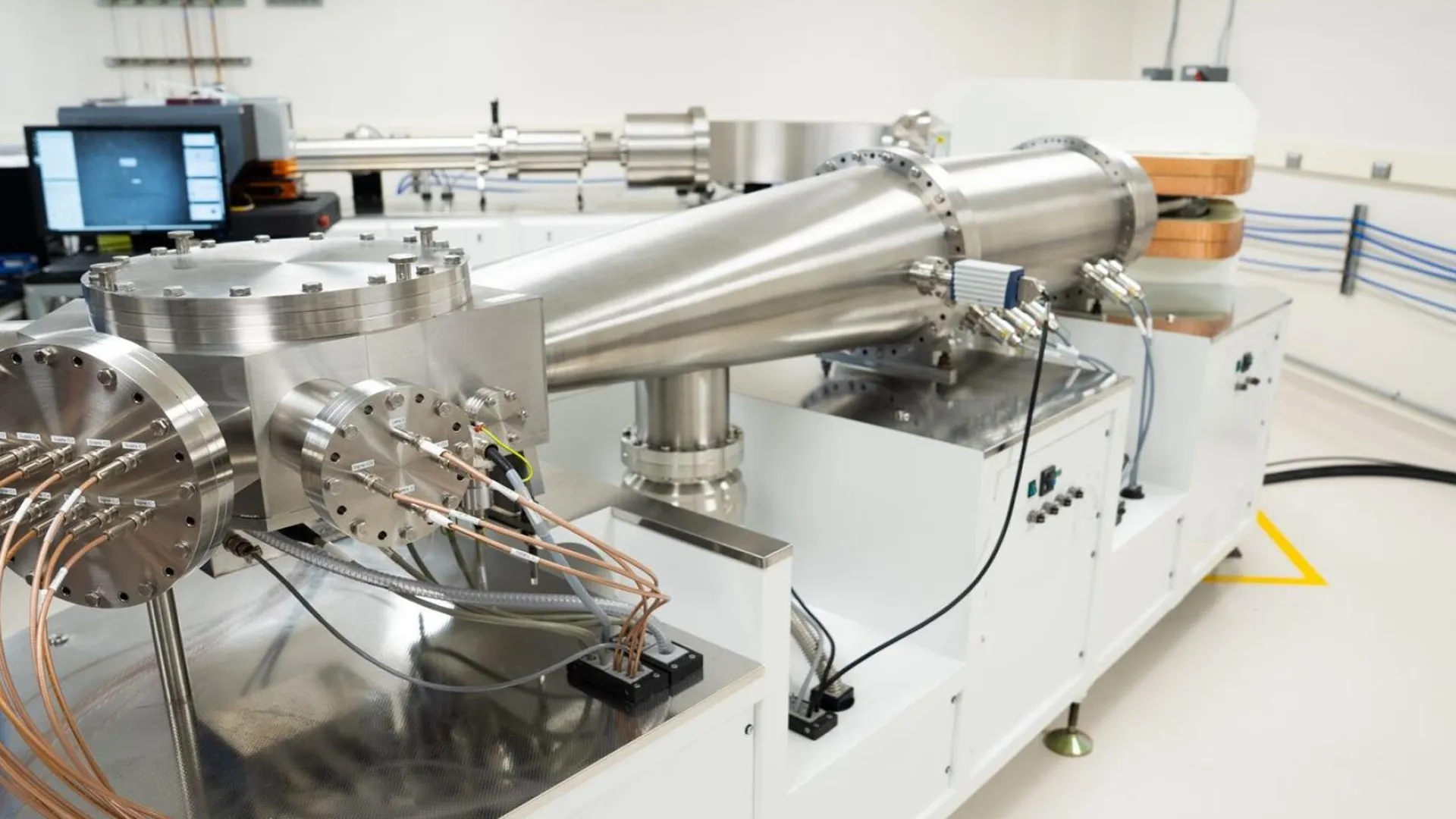
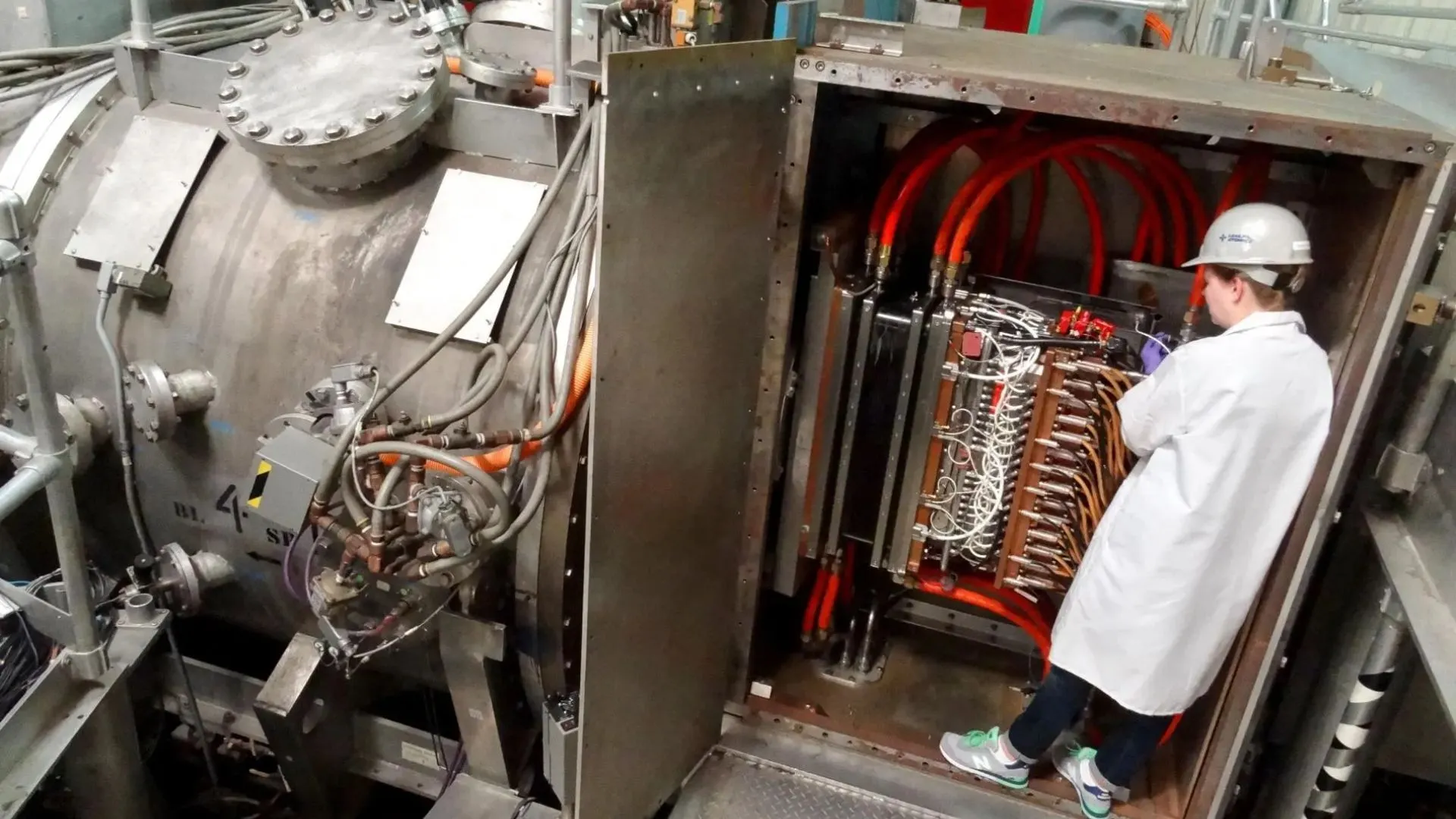
Researchers at the DIII-D National Fusion Facility used a purpose-built antenna. They beamed high-frequency radio waves directly into ionized gas. This produces an internal electric current that keeps the reaction stable.
“Helicon current drive is an attractive solution for driving current to sustain steady-state tokamak operation in reactor conditions,” said the researchers in a new study.
“Dedicated DIII-D experiments have been conducted with a MW-level helicon system and successfully demonstrated core power deposition and current drive with helicon waves launched via a traveling wave antenna.”
This milestone comes as developers worldwide hit a wall with rival designs. Tokamaks in China and France use a method called lower hybrid drive. However, that system stops working when fuel density reaches commercial levels.
An alternative approach chosen for Britain’s planned STEP power plant uses microwave beams. While simple to install, those beams consume far too much power to be commercially viable.
Helicon waves offer a middle way, delivering energy deep into the fuel efficiently. Yet the concept nearly disappeared from history. Physicists first trialed the mechanism in the 1980s under the label “fast wave drive.” But every run failed.
Mathematical models have explanations for this. The waves would slip right through the fuel unless the plasma reached immense, reactor-grade temperatures and pressures. Lacking such machines, the fusion community shelved the idea for decades.
Source link