
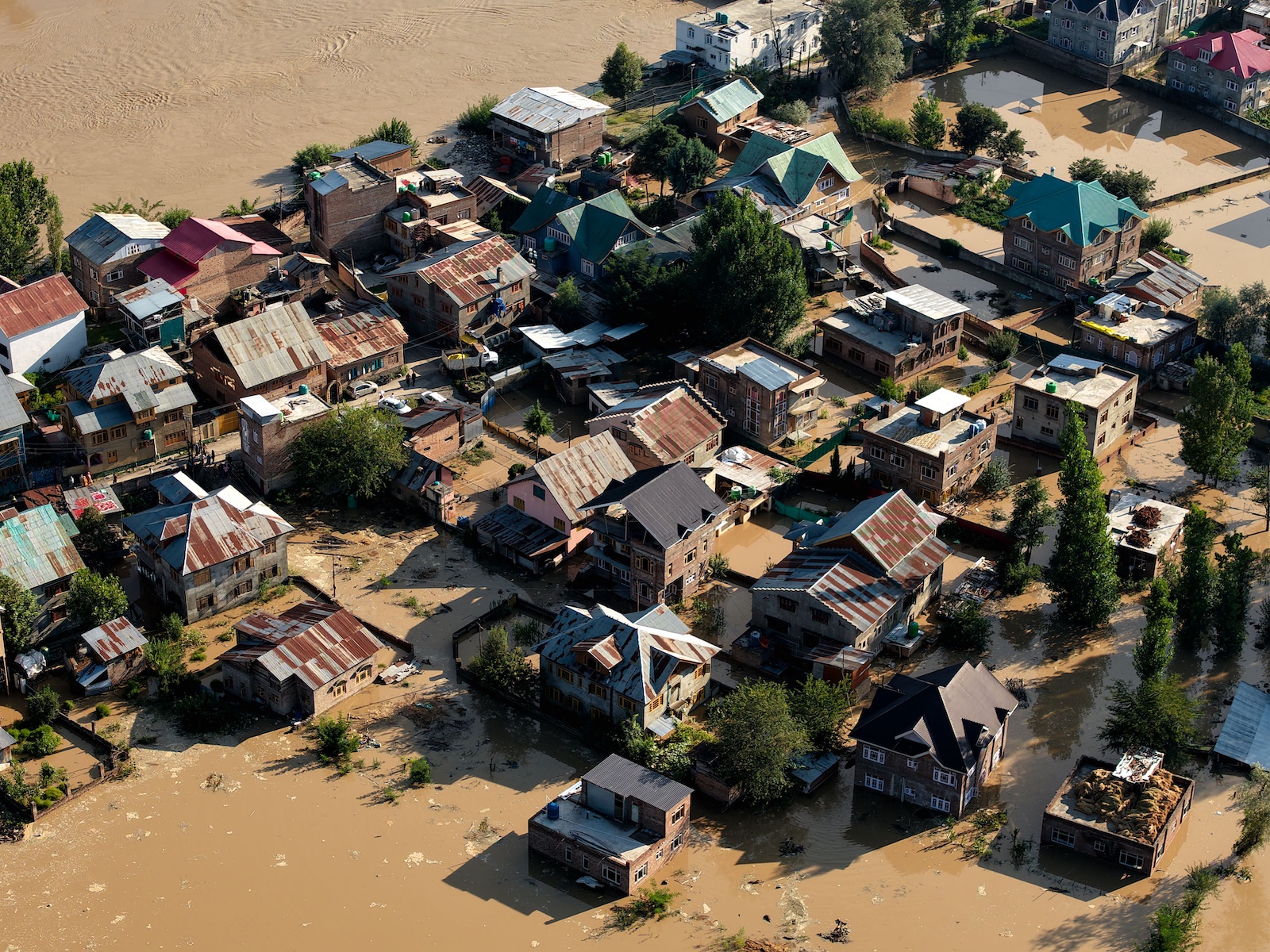
As the world is on track to exceed 1.5 degrees Celsius of global warming, climate action must double down but also go beyond emissions cuts to prioritize adaptation, respond to loss and damage, and confront growing inequality.
For decades, climate policy has been dominated by a central question: How do we avoid exceeding 1.5 degrees Celsius of global warming above preindustrial levels? An overshoot world—where warming exceeds 1.5 degrees Celsius before potentially declining—means more than higher temperatures; it means escalating risks to the communities, ecosystems, and species already bearing the brunt of climate change, with catastrophic consequences for many coastal regions and small island states.
The United Nations Environment Programme (UNEP) report on climate overshoot challenges us to confront a reality that many policymakers have been reluctant to fully acknowledge: The world will exceed 1.5 degrees Celsius. Decades of insufficient climate action have placed us in this predicament.
Aggressive emissions reductions can limit how far and for how long global warming exceeds that threshold. However, a future decline in global temperatures would not erase the losses experienced along the way. That reality should sharpen global climate ambition and broaden our understanding of what climate action requires. It is equally important to prepare for and respond to the escalating impacts that communities and ecosystems will experience in the decades between crossing 1.5 degrees Celsius and hopefully returning to a temperature below it.
One of the UNEP report’s central messages is that mitigation and adaptation are fundamentally intertwined, and both will be essential in navigating an overshoot world.
Source link