
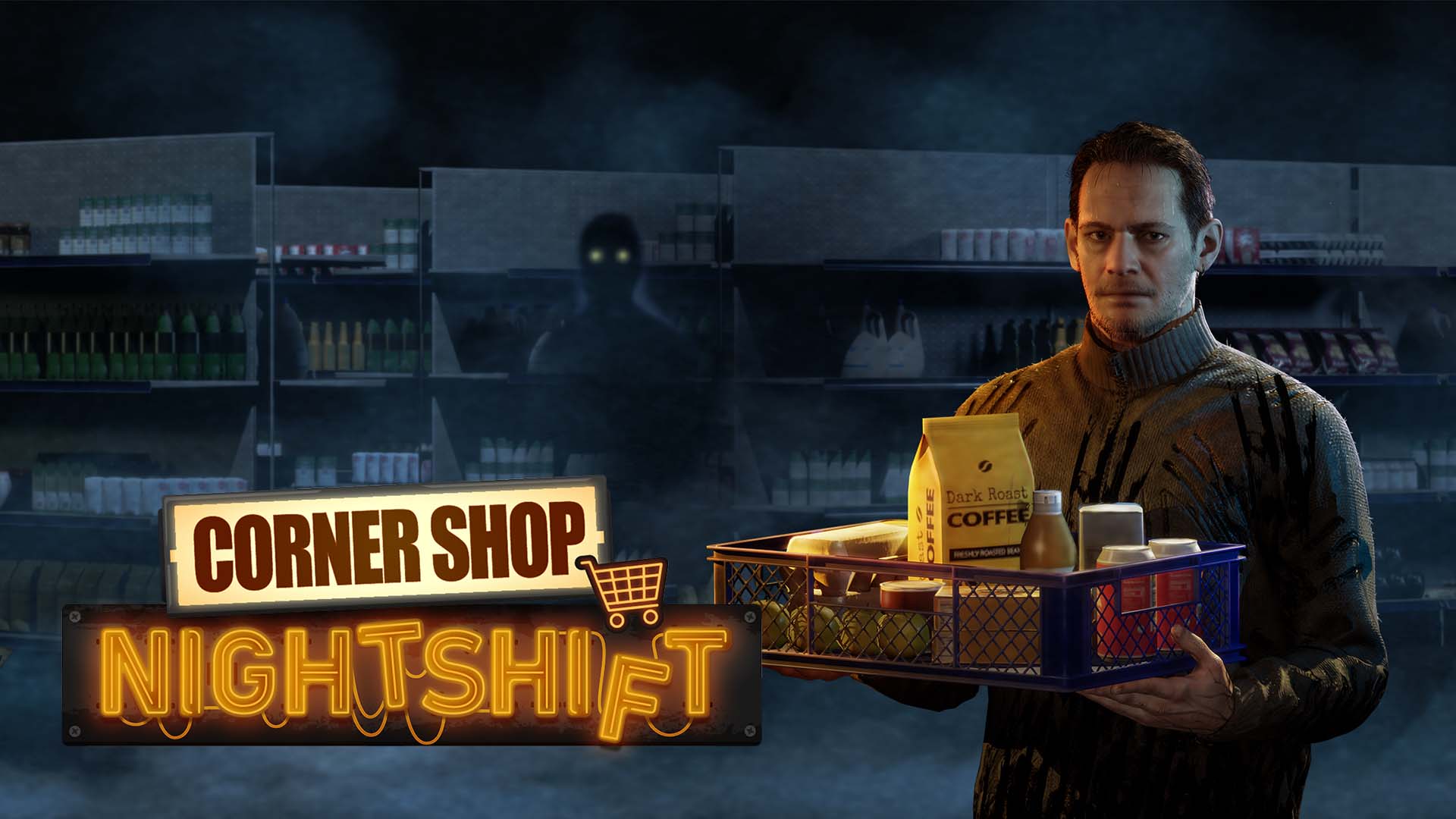
When people think about psychological horror, they usually think about abandoned buildings, monsters, strange rituals, or someone being chased through a dark corridor.
With Corner Shop: NightShift, I wanted to begin somewhere much more ordinary.
Adam Callahan works the night shift in a small convenience store. He receives deliveries, puts products on shelves, cleans the floor, scans groceries, checks the cameras and deals with customers. Most of these things are not frightening by themselves. They are things thousands of people do every night.
Adam is trying to do a normal job while the rest of his life is anything but normal. His relationship with his wife has fallen apart. He has lost contact with his daughter. His financial situation is bad, his mental health is deteriorating, and at the same time he still has to get up, go to work and somehow make it through another shift.
This contrast became one of the most important parts of the game.
We did not want Adam’s problems to exist only in cutscenes and then disappear when gameplay starts.
You can have a difficult conversation and, a few moments later, a customer is waiting at the counter. You still have shelves to refill. Something needs cleaning. A delivery arrives. The store does not stop because Adam is having a bad night.
People dealing with serious mental health problems, family conflict, separation or financial pressure very often still go to work. They still talk to customers and coworkers. They still pay bills. From the outside, their day can look completely ordinary.
Source link