
In the topsy-turvy world of today’s federal energy policy, solar power is a bad thing. Various members of the President’s cabinet have advised that solar is “unreliable,” and that solar power plants routinely experience “catastrophic failure” with every sunset. So why does the US Department of Defense continue to pursue solar-enabled microgrids at its facilities? Asking for a friend…
Though some solar projects at military facilities are relatively small, they are stamped with the seal of approval from the Defense Department, and that can have an outsized influence on public perceptions about the reliability, security, and durability of photovoltaic systems.
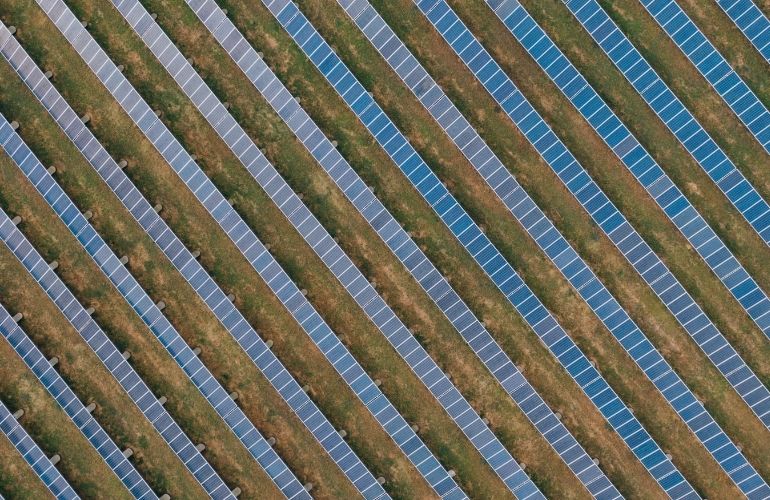
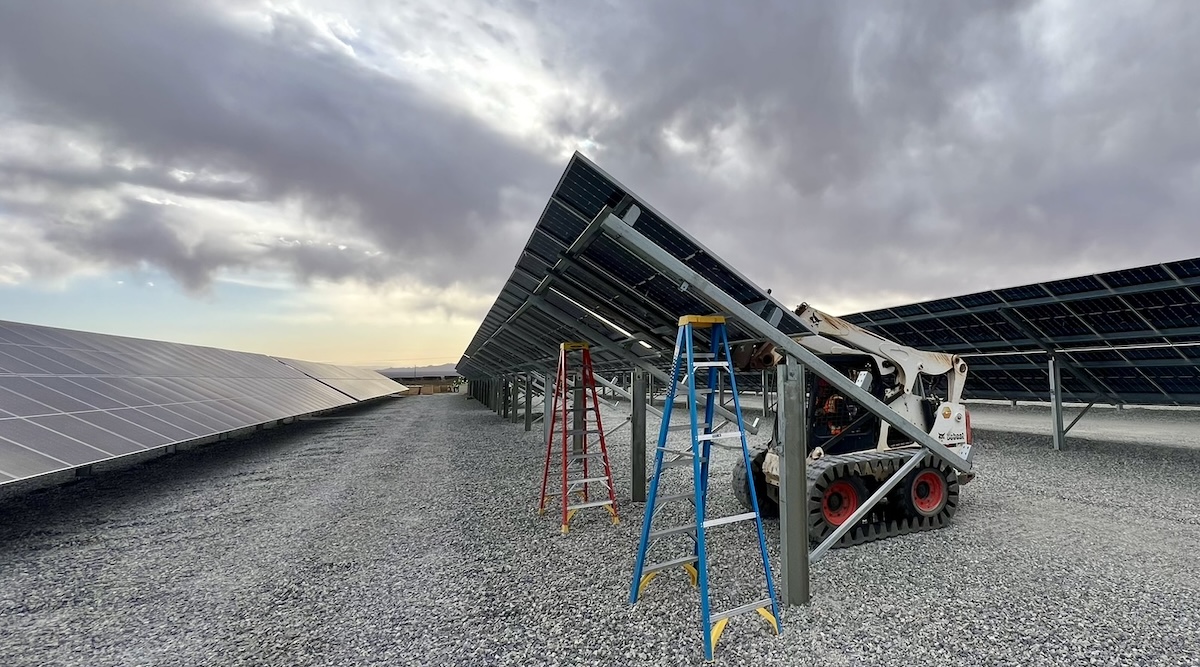
The history-making White Sands Missile Range in New Mexico is a case in point. In February of 2025 the facility celebrated the launch of a new, 700-kilowatt solar array designed and built by the joint venture HSGS-Ameresco.
At 700 kW, the new array is peanuts compared to the megawatt scale common among modern solar power plants. However, a little can go a long way in some cases, particularly when solar is integrated with other energy resources in a microgrid that can operate independently, without interruption, if the local distribution grid goes down.
“The innovative microgrid system, which integrates a 700kW solar photovoltaic array, a 500kW natural gas generator, and a 500kW lithium-ion battery system, will provide backup power to four groundwater wells on the range,” Ameresco explained in a press statement last year, in which it described the White Sands project.
The four wells are the primary source of potable water to the main post at White Sands.
Source link