
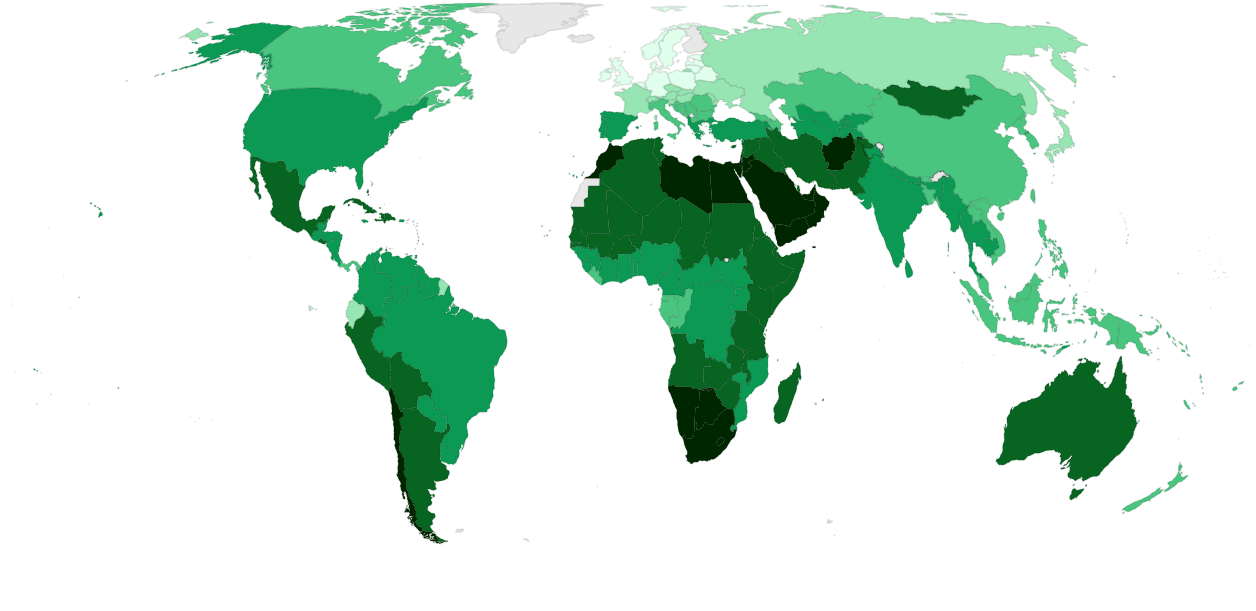
The cost of diesel fuel rose nearly 33% from 2025 to 2026, with some countries experiencing even higher price spikes. For many of the world’s rural farmers, processors, and small businesses, solar-powered equipment offers an attractive alternative.
On a dry hillside in Chamwino, central Tanzania, mango farmers used to watch their trees struggle through the long months without rain. Irrigation was technically possible: A diesel pump could lift water from a nearby borehole. But in practice, fuel was too expensive and too unpredictable for smallholders to run the system often enough. When diesel prices rose, farmers irrigated less, production dropped, and most households stayed locked into low-yield farming and razor-thin margins.
In 2021, a solar-powered pump and drip irrigation system replaced the diesel setup as part of a pilot project. Within one season, farmers reported that their mango production and average income from mango sales roughly doubled, as farmers could irrigate beyond the rainy season and manage their orchards more intensively. The technology change was simple—solar instead of diesel. But for farmers, it meant shifting from a fuel prone to wild price swings to an energy source they could rely on and afford.
Chamwino is not an isolated case. Across Africa and other regions, farmers, processors, and rural businesses are among the most exposed to diesel price spikes, like those happening right now. Because diesel powers irrigation pumps, generators, mills, and refrigerators, every price jump shows up as higher operating costs, thinner margins, and greater risk.
Distributed clean energy is emerging as one of the most practical ways to break that dependence.
Source link