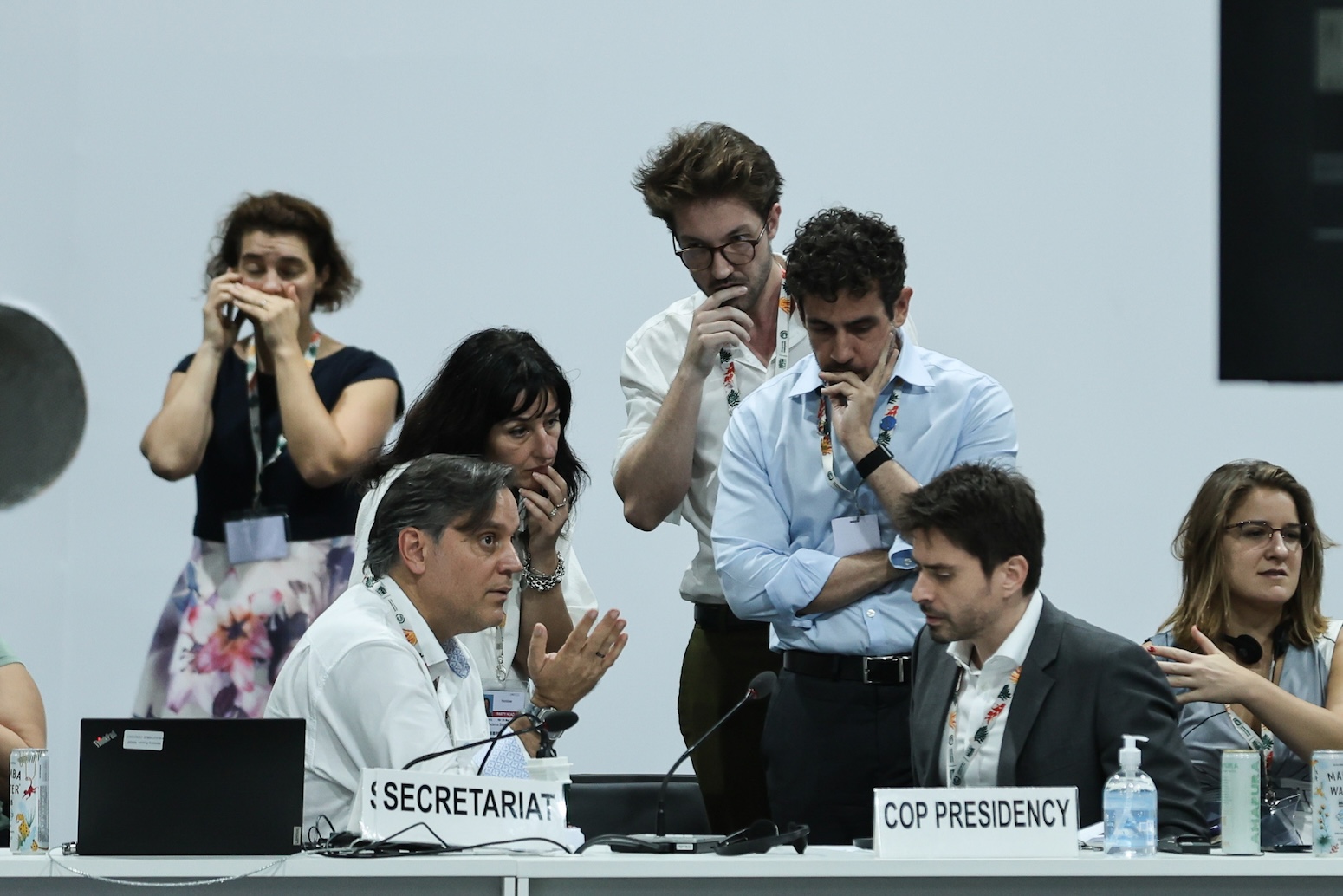
Climate negotiators head to Turkey next month for the United Nations annual climate summit, just two months after an alarming U.N. report said the world has a vanishing chance of limiting global warming to safe levels.
The report’s projections will likely ripple through discussions at the event, known as the Conference of the Parties or COP, including one of its more urgent messages: In order to bring planet-warming gases under control, countries have to slash methane pollution, fast.
Because methane is more powerful over a shorter period of time than carbon dioxide—about 80 times more over 20 years—cutting methane emissions represents an expedient way to claw the world back from its current trajectory. But measuring methane, especially from livestock, its primary human-caused source, continues to stir controversy. Two new reports on methane say measurements of the gas are being manipulated and underestimated.
In a new analysis published Oct. 29 and commissioned by Greenpeace International, researchers dive into a method for measuring methane known as “global warming potential*,” or GWP*. Their findings underscore the concerns of many scientists who have said that if rich, livestock-heavy countries use GWP* to measure their livestock emissions, they can continue emitting vast quantities of methane and misrepresent the total emissions in reporting their progress toward global climate goals.
We deliver climate news to your inbox like nobody else. Every day or once a week, our original stories and digest of the web’s top headlines deliver the full story, for free.
Our #1 newsletter delivers the week’s climate and energy news – our original stories and top headlines from around the web.
Source link