This article has been reviewed according to Science X's editorial process and policies. Editors have highlighted the following attributes while ensuring the content's credibility:
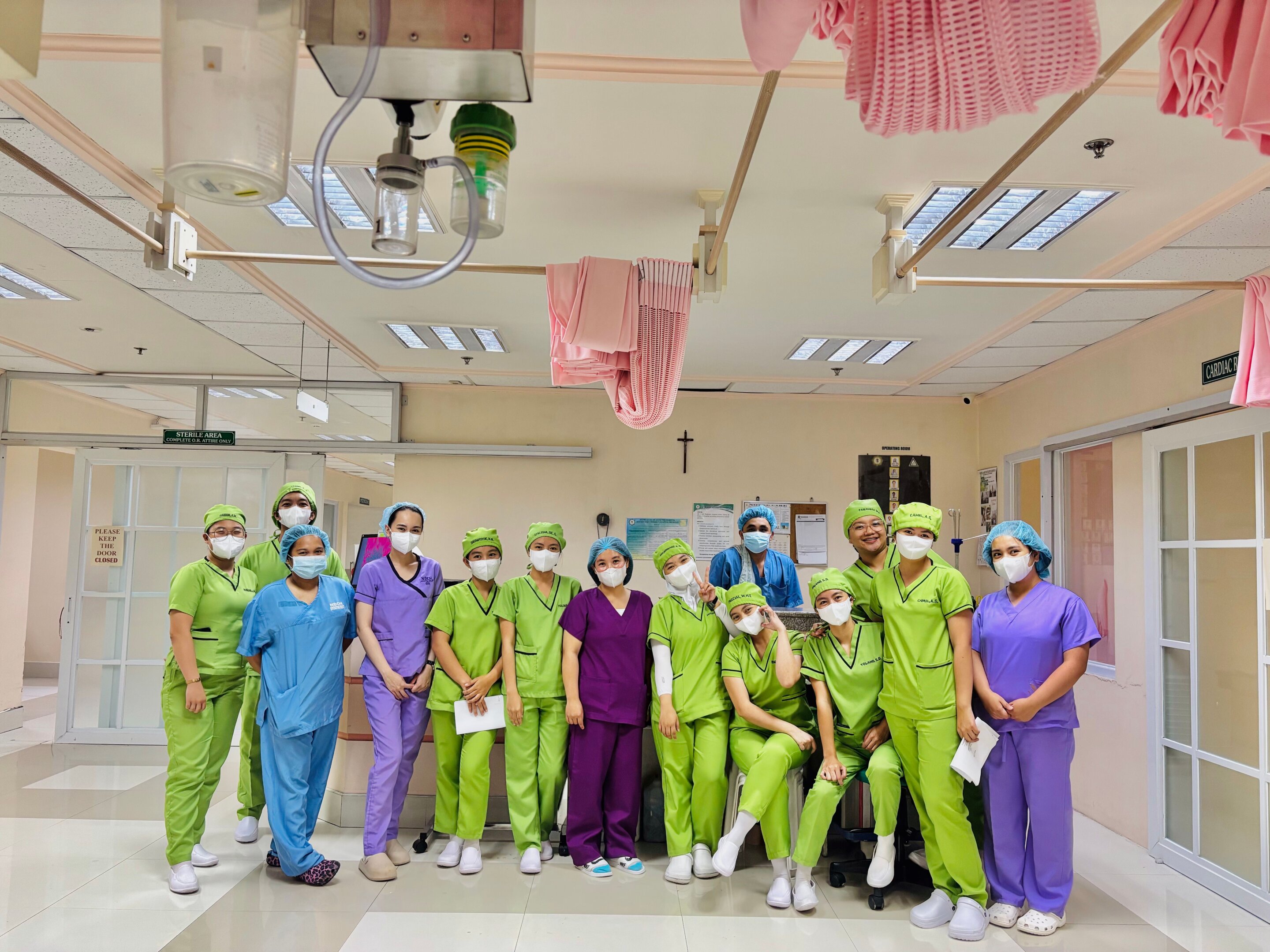
Nurses may be one of the most important parts of the health care workforce—yet their contribution is overlooked, according to a new paper examining the profession's place in the growing "One Health" movement to connect human, animal and environmental health.
The paper, published in the open-access journal CABI One Health, argues that nursing is already practicing many of the principles at the heart of One Health. Nurses work across clinical care, community and environmental health, infection prevention and emergency response.
"Nurses are already contributing to One Health in many settings, but their contributions often remain invisible because they are not explicitly conceptualized or recognized as One Health, limiting their participation in governance, education and strategic decision-making," says lead author Paulo Ferrinho, a professor at Universidade Nova de Lisboa in Portugal.
These limitations matter when infectious diseases emerge. During an outbreak, nurses are skilled frontline first responders central to screening, patient monitoring, education, communication and community engagement.
The paper describes how these capabilities place nurses at the center of One Health preparedness, with roles across pandemic preparedness, detection and response, from surveillance and reporting to case management—all while facing significant personal risk.
During the 2014–2016 Ebola outbreak in West Africa , more than 28,600 people were infected and 11,325 died. A WHO analysis of the epidemic identified 815 confirmed and probable Ebola infections among health workers in Guinea, Liberia and Sierra Leone by March 2015; among those whose outcome was known, two-thirds died.
Source link