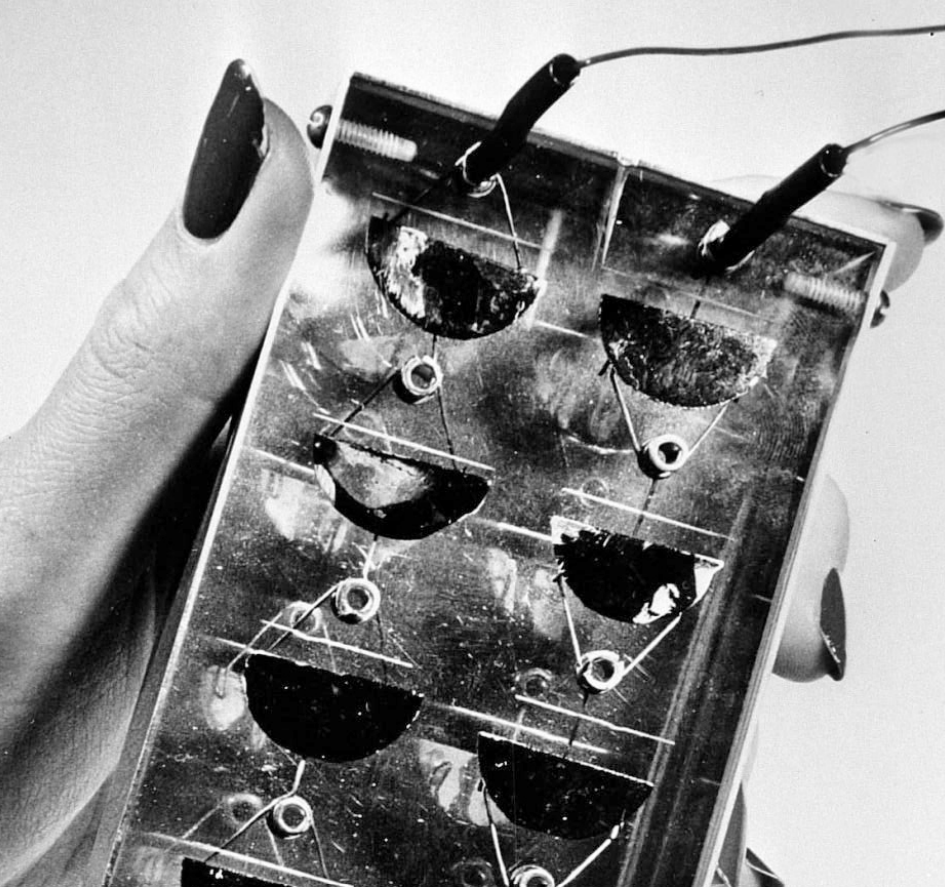
The Solar Energy Industries Association (SEIA), launched 50 years ago, recently outlined the significant milestones in its Solar century: Landmark moments in the history of solar energy, beginning with the first silicon solar cells developed in 1954 in Bell Labs in New Jersey. Much research followed release of the prototype, and then in 1961, the United Nations held a “New Sources of Energy” conference to exchange ideas on the applications of solar, wind and other forms of alternative energy.
The 1970s were a time of unrest in the nation and new focus on the environment that launched the first Earth Day on April 22, 1970. Three years later the first solar home, Solar One, debuted at the University of Delaware.
SEIA was founded in 1974 with the idea that the trade association should support the “prompt, orderly, widespread and open growth of solar energy resources now.” One of its first milestones was to integrate solar energy into the policies of the Carter Administration and in 1978, Congress passed the Public Utility Regulatory Policies Act, which promoted renewable energy sources. In 1979, President Carter installed solar modules on the White House.
A few years later, in 1982, the Atlantic Richfield Company (ARCO) completed the first utility-scale solar farm in the U.S. in Hesperia, Calif. At just 1.1 MW, ARCO soon followed with a 5.2 MW plant in Carrizo Plain that operated from 1983 to 1994.
In 1983, Minnesota became the first state to enact a net metering law, allowing solar consumers generating less than 40 kW to be compensated for the amount they sent to the grid.
Source link