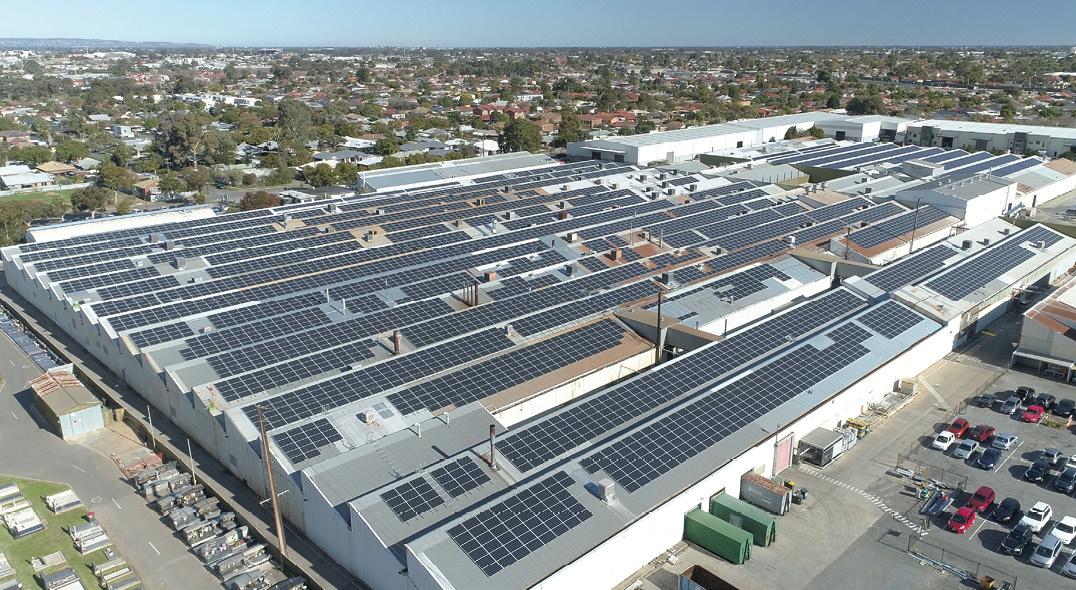
Australia is portrayed as a solar success story, and on two fronts it has earned that reputation. More than 4 million households have rooftop solar, while large-scale solar and wind continue to grow under state and federal schemes. Between these two extremes lies a forgotten market – C&I solar and storage. Systems sized between 100 kW and 30 MW – sitting on warehouse roofs, shopping centers, cold stores, farms, and factories – remain severely underutilized.
Australia’s C&I solar gap was not created by economics. Barriers are not posed by equipment costs for panels, inverters, and batteries. Outdated regulatory settings are holding the sector back.
C&I sites offer an ideal foundation for renewables, due to expansive roof space, matching daytime load profiles, and strong corporate balance sheets. But when the Smart Energy Council surveyed developers, financiers and property owners, it was systemic friction that emerged as a theme. The council’s advocacy priorities now include unlocking the missing middle. This means tackling excessive grid connection approval times, rigid post-connection tariff structures, certificate market limitations for mid-sized projects, landlord-tenant split incentives, and a lack of network capacity transparency.
Small household connections typically take 10 business days. C&I projects fall into negotiated frameworks where statutory windows stretch to 30 to 65 business days – often more once technical studies and network augmentations begin. Over two-thirds of respondents to the SEC survey cited slow response times and drawn-out approvals as their primary grid connection challenges.
Connection transparency is equally critical. Proponents currently spend substantial time and capital discovering whether a network has room for a site.
Source link