Energy bills in the UK have continued to soar in 2026, with intense debate raging about how to bring them down.
In October 2026, the cap on household energy bills reached its highest level in three years, rising by £60 amid high gas prices driven by the Iran war.
The cap is forecast to jump by as much as another quarter in January 2027, pushing annual energy bills towards £2,200.
Energy bills have not been that high since 2022 when, in the fallout of the Russian invasion of Ukraine, the UK government spent more than £60bn on supporting consumers through the crisis.
While expensive gas is behind the lion’s share of the rise in bills since 2020, policy costs and investment in the gas and electricity grids are also putting some pressure on prices.
This has sparked conflicting calls to continue the clean-energy transition to get off the “fossil-fuel rollercoaster”, to move more slowly – or to abandon climate goals in favour of more gas.
Below, Carbon Brief looks at the real drivers of high energy bills in the UK, what has been done to address them to date and what options are available to cut them going forward.
These include taking more policy costs off electricity bills, boosting flexibility or shifting to more efficient technologies with lower running costs, such as heat pumps and electric vehicles (EVs).
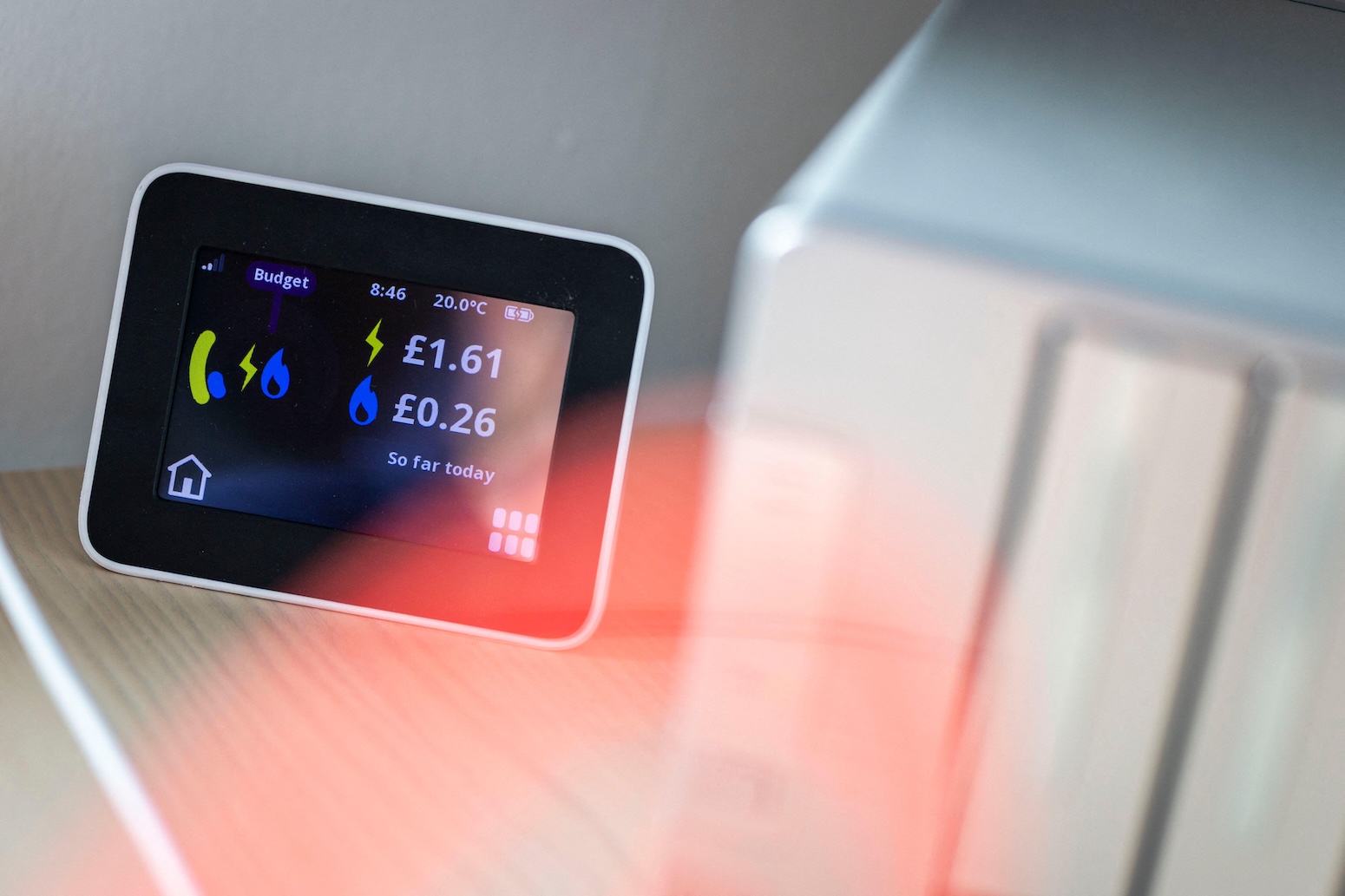
In October 2026, UK household energy bills reached their highest levels since 2022, with the price cap for typical homes hitting £1,723 per year, up 47% in real terms since October 2020.
Source link