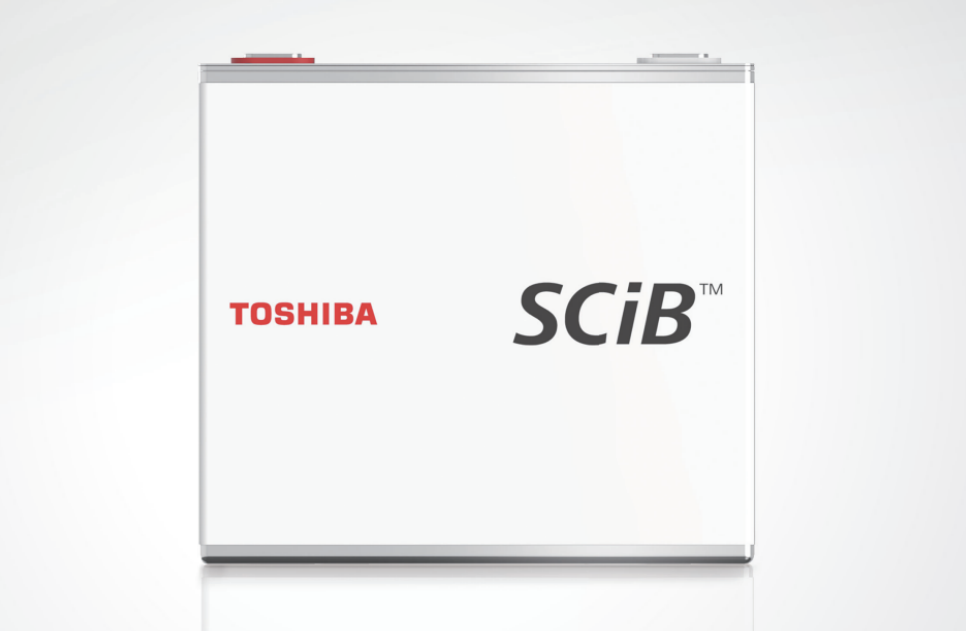
Japanese major Toshiba is pairing a 2 MW / 667 kWh high-power SCiB battery with a 2 MW / 15.33 MWh capacity-type system at a substation microgrid in Mongolia.
In an announcement, Toshia said it had begun manufacturing the power-type battery energy storage system, and preparing an energy management system (EMS) for the Darkhan substation in northern Mongolia, operated by state-owned transmission operator National Power Transmission Grid (NPTG).
Scheduled to enter operation in December 2027, the installation is funded through a Japanese government grant aid package.
While single battery architectures are widely used, the Darkhan project embraces a two-battery hybrid approach. According to system specifications, the microgrid links a 10 MW solar PV plant with a 2 MW / 667 kWh power-type battery supplied by Toshiba and a 2 MW / 15.33 MWh capacity-type battery.
The SCiB unit is then a 20-minute (3C) asset that may assist in managing high-frequency solar ramp control, while the companion battery, with its longer-duration 7.66-hour system is able to assist with peak shifting. Toshiba, in a supplied diagram, indicates the 15.33 MWh bulk battery isn’t Toshiba-made and is likely sourced from a third-party LFP supplier.
Toshiba is supplying the power-type unit using its SCiB rechargeable lithium-ion cells, which utilize a lithium titanate oxide (LTO) anode.
In theory, the system will reduce cycling stress on the 15.33 MWh capacity-type battery, reserving the latter for renewable peak shifting and supply-demand balancing.
This dual-system architecture is by no means alone in Asia. Hybrid storage plants are mixing flow batteries with conventional chemistries, and high-cycle assets or supercapacitors are co-located with energy-dense batteries to separate sub-second ramp control from multi-hour dispatch.
Source link