This article has been reviewed according to Science X's editorial process and policies. Editors have highlighted the following attributes while ensuring the content's credibility:
Aging, obsolete and energy-inefficient buildings are usually prime targets for urban renewal projects. But instead of leveling them and rebuilding a district from the ground up, a new Concordia study proposes a model that would help a neighborhood increase local resource self-sufficiency while reducing the neighborhood's overall carbon footprint.
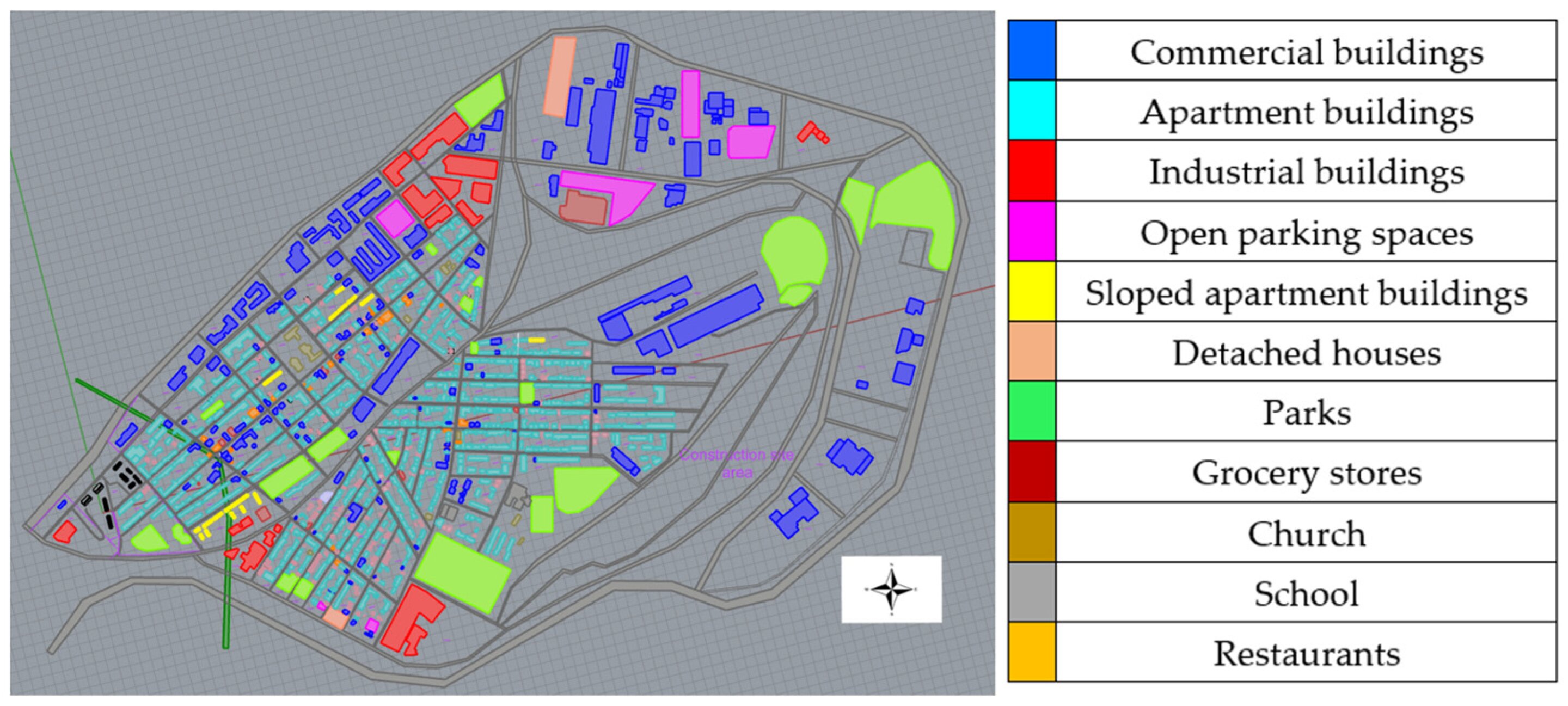
Using the Pointe-St-Charles neighborhood, a mixed industrial-commercial-residential area in Montreal's southwest, as a case study, the researchers developed a neighborhood-scale framework that transforms underused rooftops, vacant lots and parking areas into local food, energy and water resource hubs.
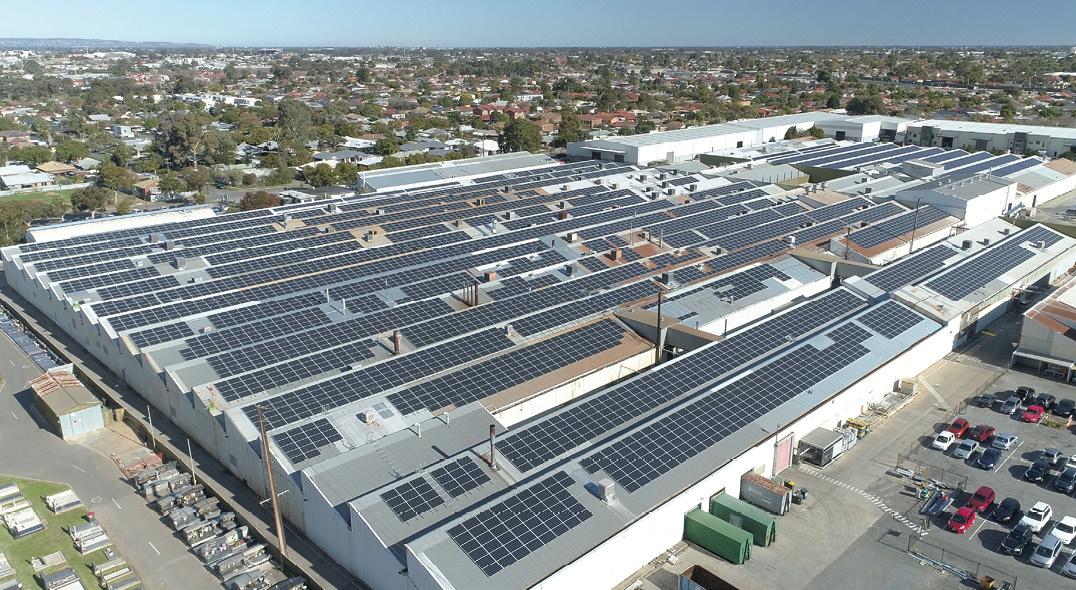
As described in the journal Energies, the model combines urban agriculture, solar power, rainwater harvesting and local food-sharing networks. It proposes that rooftops would be assigned greenhouses, green roofs or solar panels depending on the building, while vacant lots could be used to grow crops.
Solar-panel canopies over parking areas could generate electricity without reducing parking capacity, and harvested rainwater could be used for irrigation.
"Rather than looking at food, energy and water as separate systems, our approach considers how they interact as an integrated system," says Caroline Hachem-Vermette, corresponding author and an associate professor in the Department of Building, Civil and Environmental Engineering. "Instead of trying to optimize each system in isolation, we look at how they can work together to increase local resource self-sufficiency while reducing carbon emissions."
The researchers divided Pointe-St-Charles into 91 neighborhood units and evaluated three scenarios: the neighborhood as it exists today; a version with food, energy and water interventions; and a third version that added a network through which food produced in one unit was shared with others nearby.
Source link