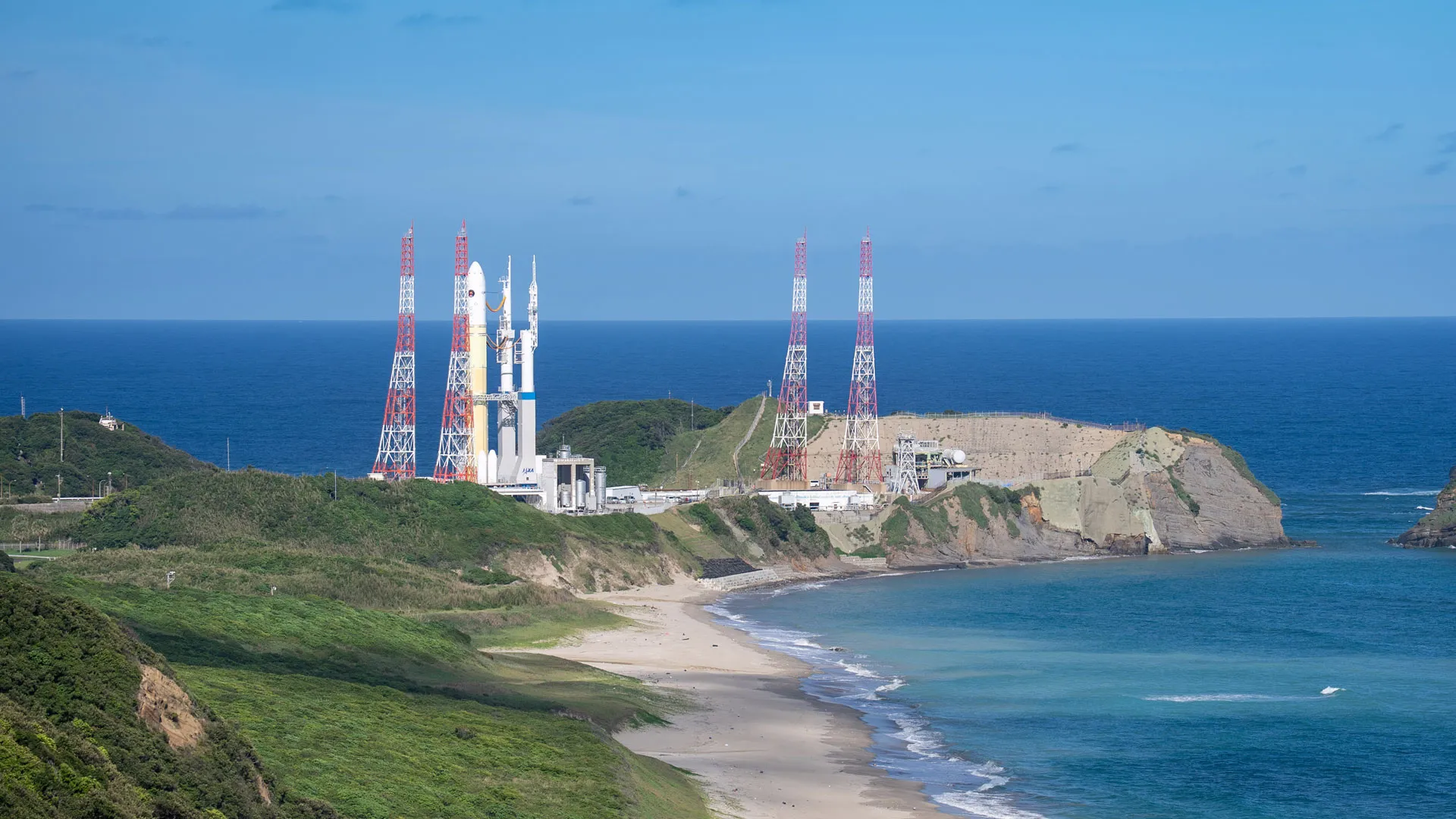
Japan has set off on an ambitious journey to Mars to bring back samples from one of the planet’s two small moons. However, getting there, landing on its surface and returning the samples to Earth will be anything but easy.
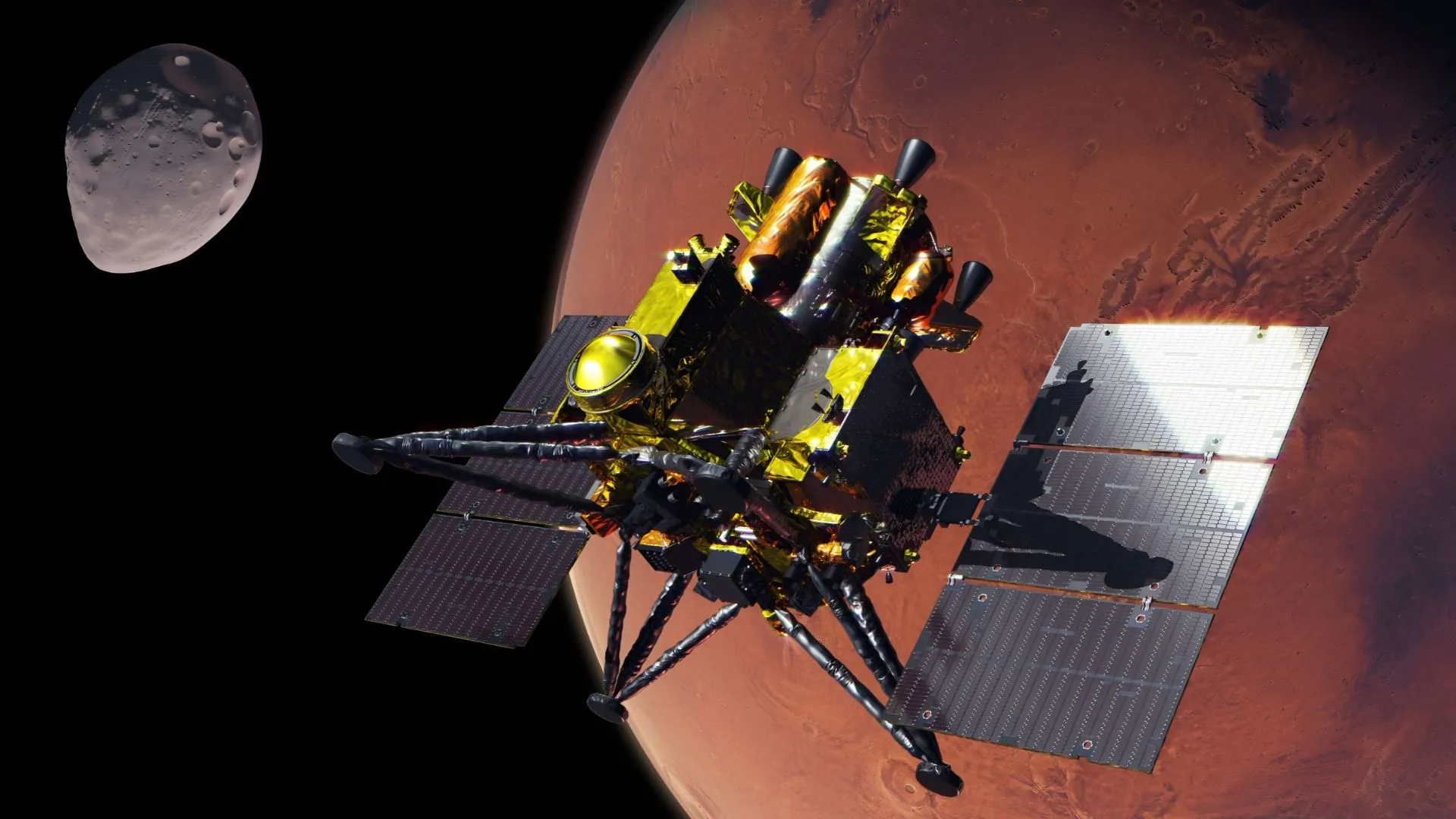
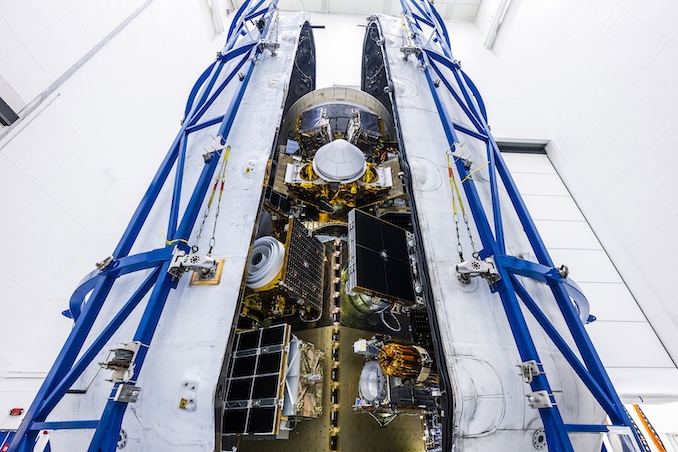
Launched on Monday aboard a 207-foot (63-meter) H3 rocket jointly developed by JAXA and Mitsubishi Heavy Industries, the Martian Moons eXploration (MMX) spacecraft will study the Red Planet’s two moons, Phobos and Deimos. It is expected to reach Mars in August 2027 before attempting two landings on Phobos to collect samples for analysis on Earth.
If successful, MMX will become the first mission to land on a Martian moon and return samples to Earth.
The mission comes nearly 15 years after Russia’s Phobos-Grunt (“Phobos-Soil”) mission, which failed to leave Earth orbit because of a spacecraft propulsion failure. The 14.5-ton spacecraft re-entered Earth’s atmosphere and crashed into the Pacific Ocean in January 2012.
Scientists believe the samples could provide clues to the early formation of the solar system and help resolve the long-standing debate over the origin of Mars’ two moons.
However, Phobos’ extremely weak gravity presents significant challenges that could complicate the mission. Landing on the moon and collecting samples will require precise maneuvers, while communication delays of up to 44 minutes for a round-trip signal between Earth and Mars mean the spacecraft must carry out critical operations with considerable autonomy.
Upon reaching Mars, the spacecraft will enter a quasi-satellite orbit (QSO) around Phobos, allowing it to study the moon before attempting a landing.
Source link