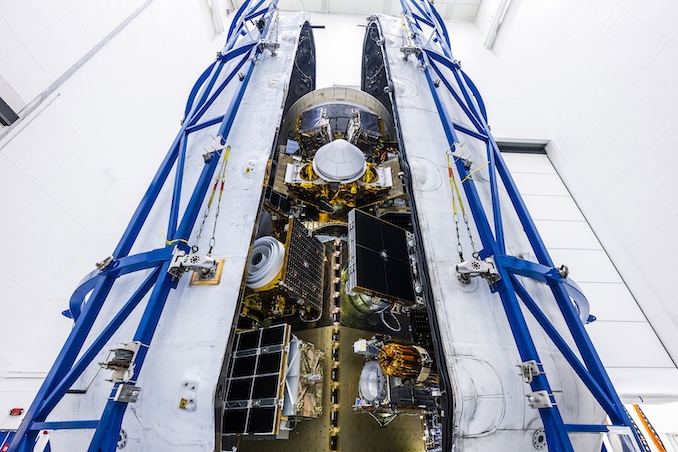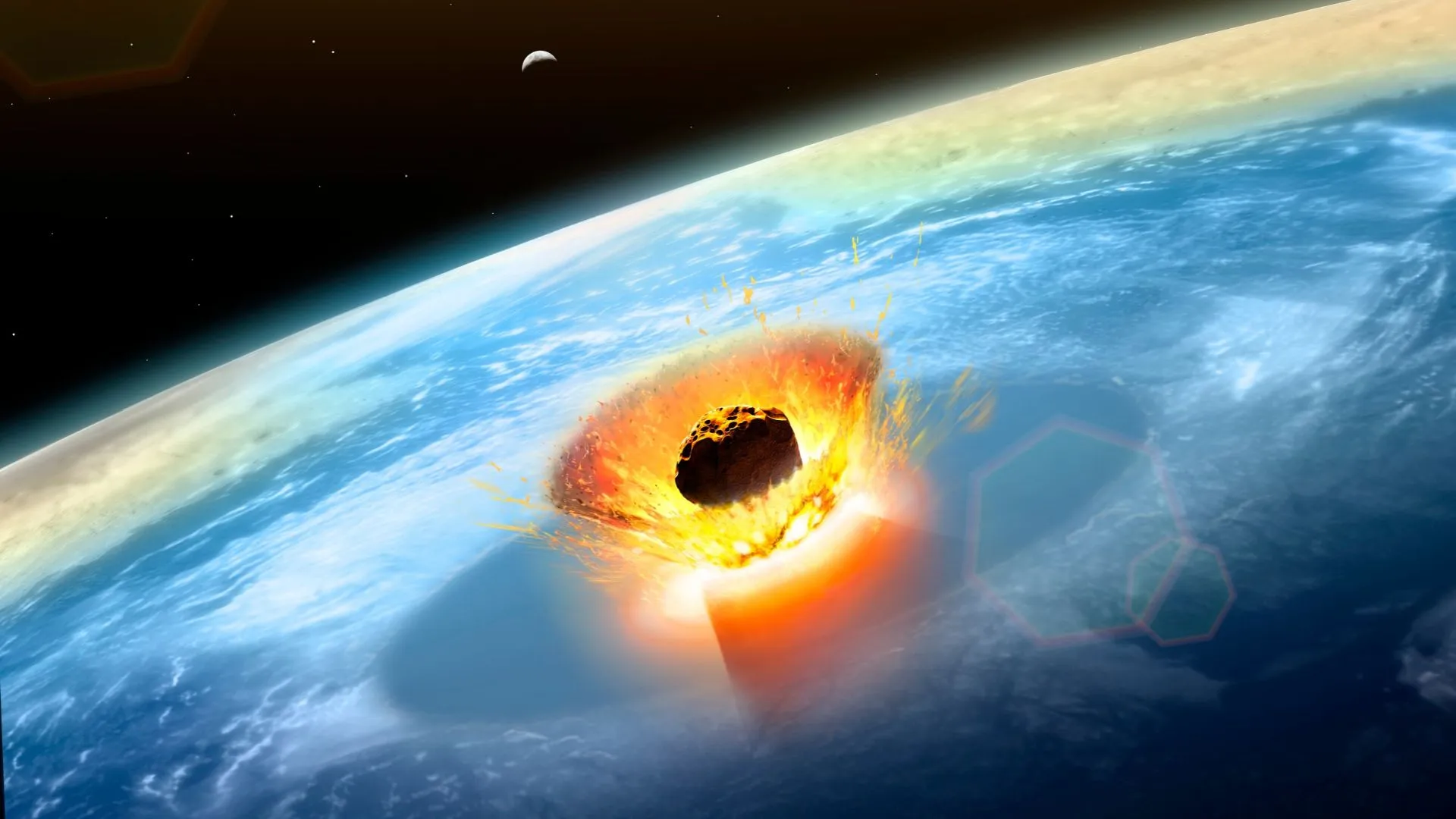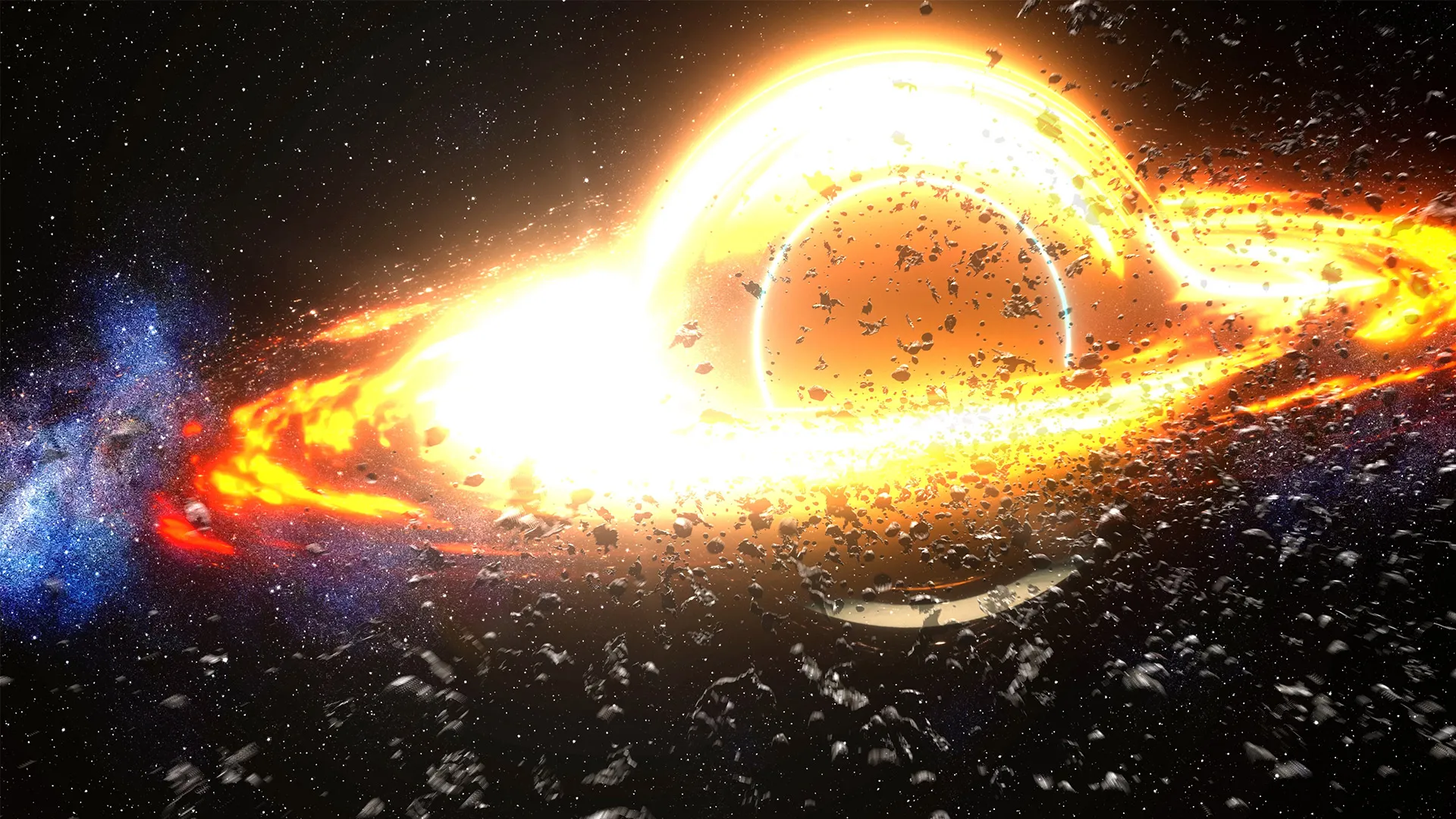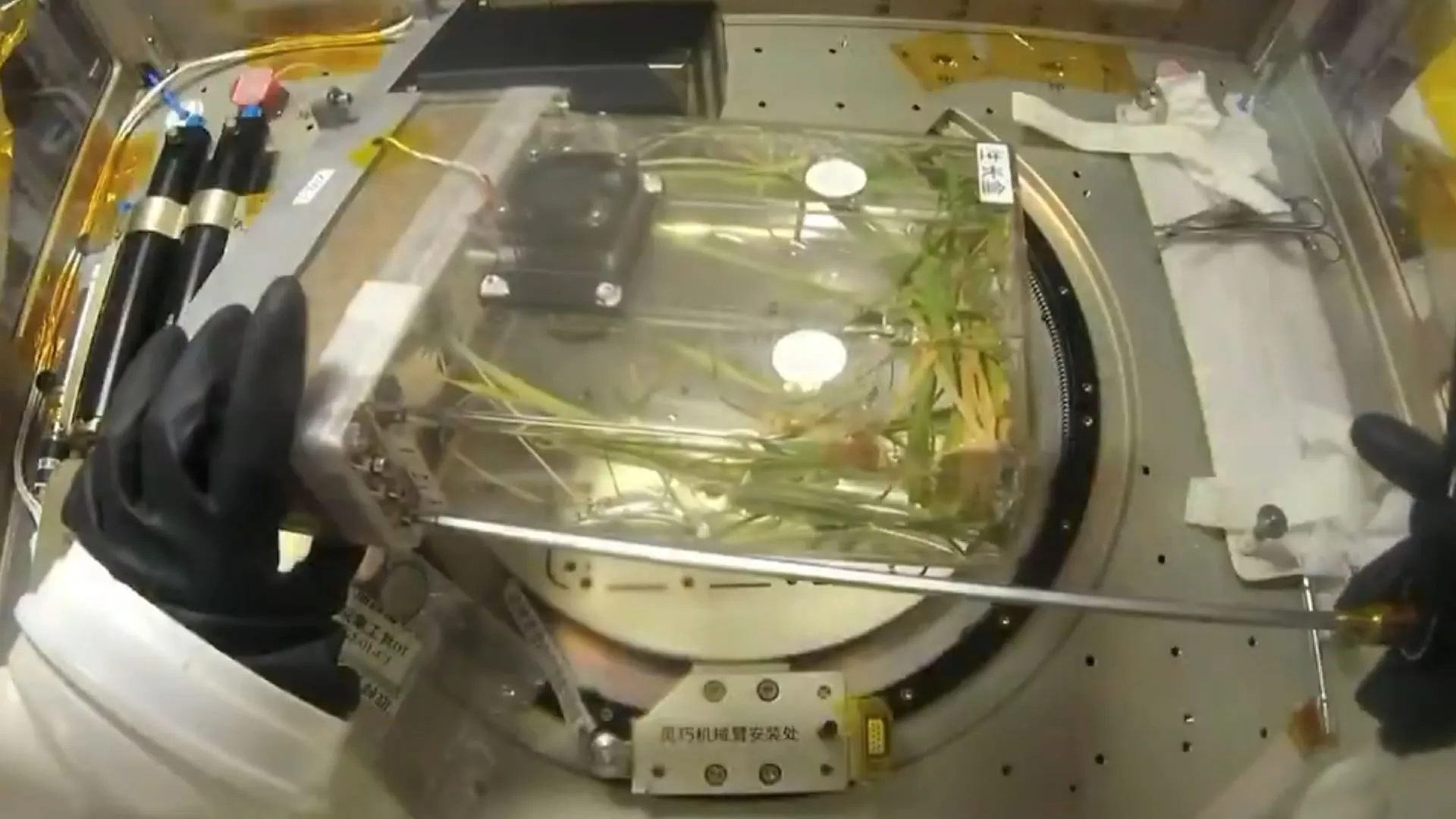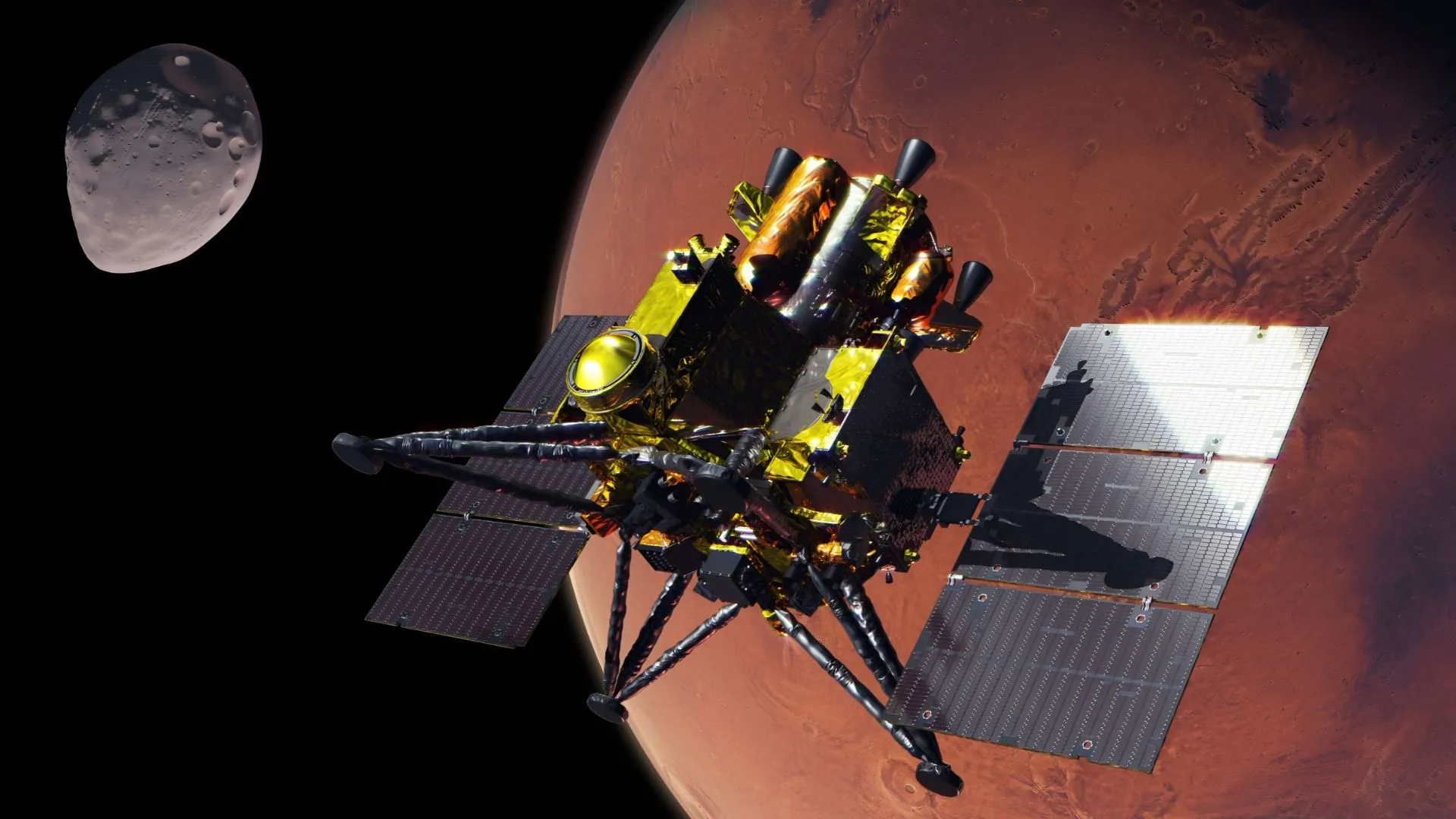
Japan has sent a spacecraft toward Mars on a mission that could answer a long-standing question about the planet’s two moons. The Martian Moons eXploration (MMX) spacecraft lifted off aboard an H3 rocket from Tanegashima Space Center on October 20, Japan time.
Led by the Japan Aerospace Exploration Agency (JAXA), the $578 million mission will investigate Phobos and Deimos. Its primary objective is to collect material from Phobos and deliver it to Earth in 2031. No spacecraft has previously landed on either Martian moon and returned samples.
JAXA later confirmed that MMX had successfully separated from the H3 F10 rocket’s upper stage. The separation placed the sample-return spacecraft on its interplanetary trajectory toward Mars and Phobos, marking a key milestone in the mission.
The mission begins with a journey lasting several months before MMX reaches Mars in 2027. The spacecraft will then spend roughly three years studying the moons before departing for Earth.
JAXA developed the H3 launch vehicle alongside Mitsubishi Heavy Industries. Standing 207 feet tall, the rocket uses two LE-9 engines on its first stage. They burn liquid hydrogen and liquid oxygen to generate approximately 331,000 pounds of combined thrust.
Four solid rocket boosters provide additional power during liftoff. The vehicle sheds these boosters during ascent before discarding its protective payload fairings. After first-stage separation, the upper stage will perform the burns needed to send MMX toward Mars.
The mission builds on Japan’s experience returning asteroid samples. Its earlier missions demonstrated the country’s ability to retrieve material from small celestial bodies.
Source link