This article has been reviewed according to Science X's editorial process and policies. Editors have highlighted the following attributes while ensuring the content's credibility:
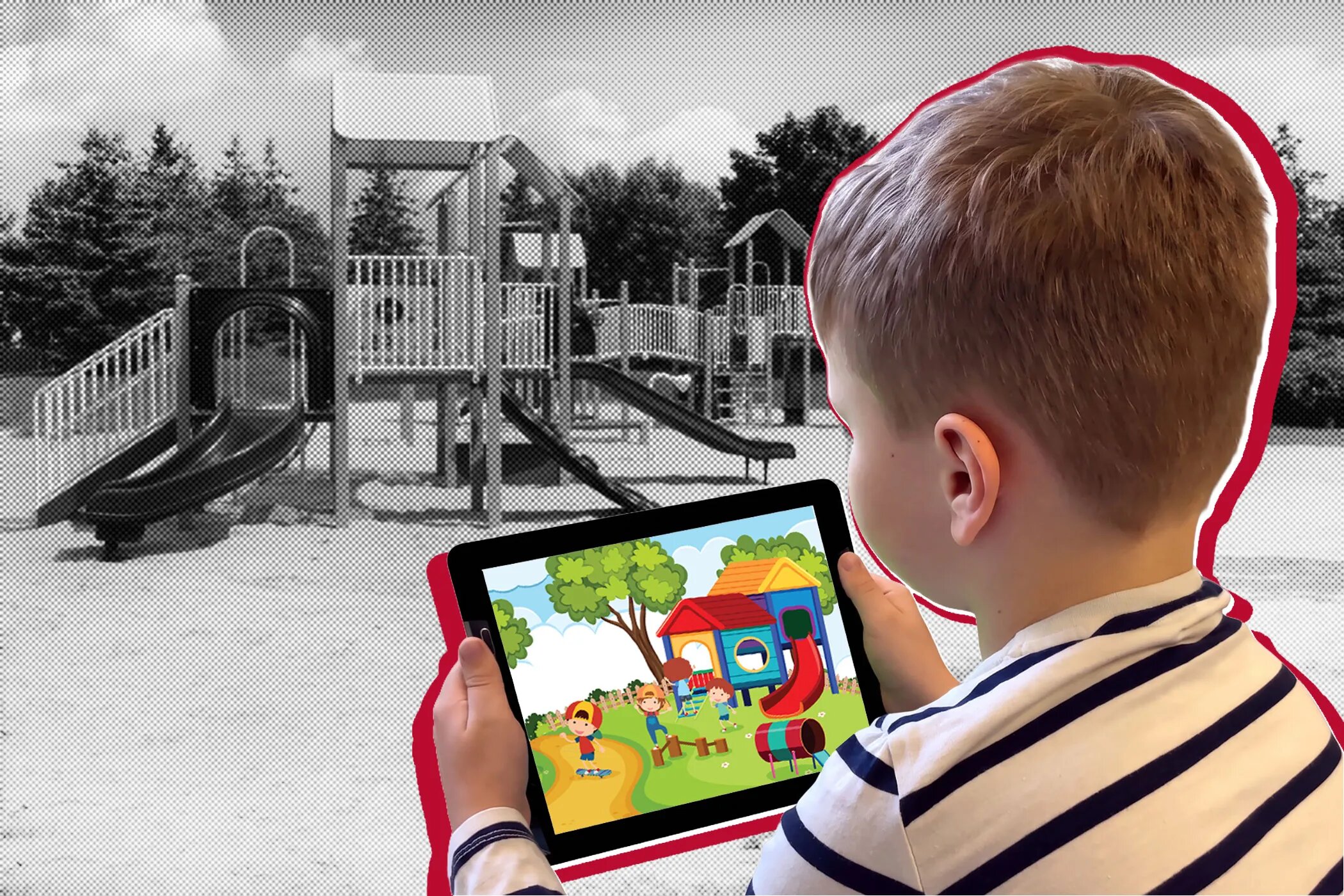
The effects of screen time on young children may depend on more than just how long they spend in front of a device, according to a new publication from the University of Georgia. The study is published in the Journal of Evidence-Based Social Work.
What children watch, how old they are and whether a parent watches with them can all shape the experience, the review of 30 studies found. Led by UGA researcher Minal Manisha, the paper points to co-viewing—parents watching and talking about media with their children—as one way to help young viewers make sense of what they see.
A common belief, especially among parents, is that all screen time is bad, but the researchers found that it wasn't that simple.
Some shows appeared to have a positive impact. For example, programs such as "Daniel Tiger" supported social skills, while "Sesame Street," "Between the Lions" and "SuperWhy!" were linked with stronger letter and sound recognition among some preschoolers.
"If they are watching prosocial content, they will have values like empathy or compassion," Manisha said. "If children are watching violent content, they may exhibit physical aggression."
How much time children spend with screens matters, too. Heavy use can push out other activities like reading, outdoor play and time with family. Evening media use was also linked with sleep problems, the review found.
Source link