This article has been reviewed according to Science X's editorial process and policies. Editors have highlighted the following attributes while ensuring the content's credibility:
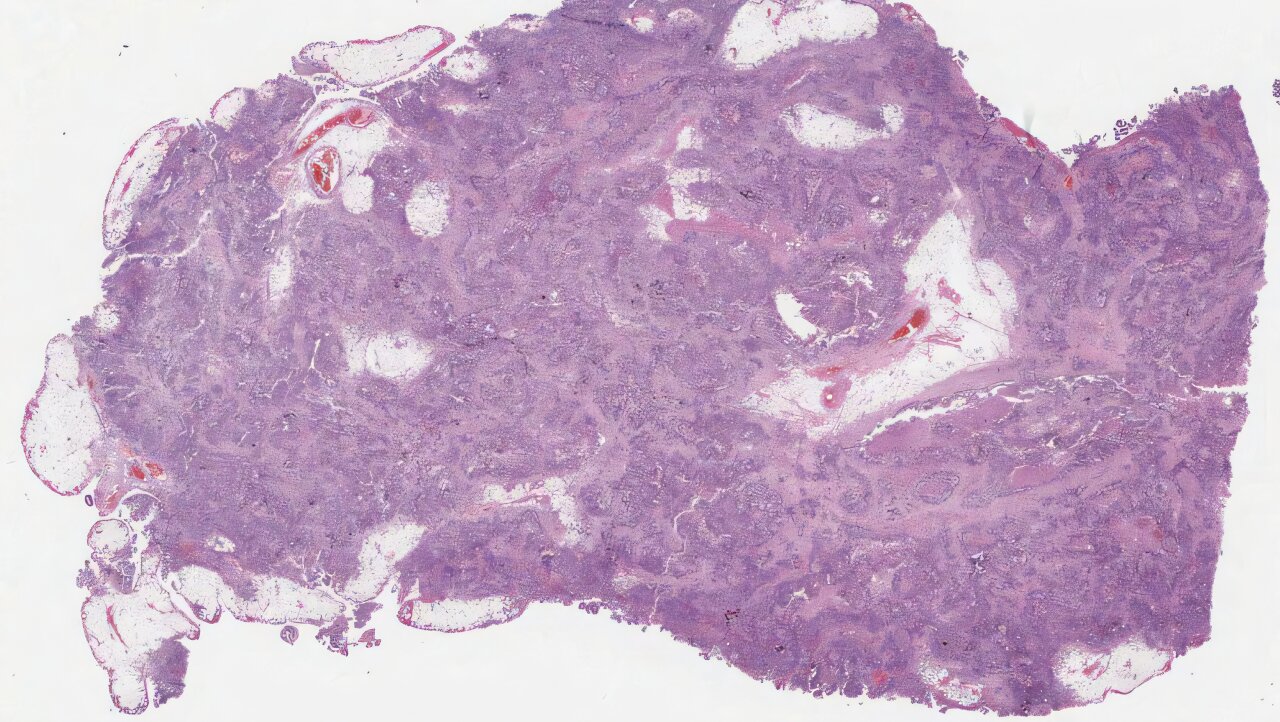
An AI model created by researchers at King's can detect signs of faulty repair mechanisms in ovarian cancer cells, potentially leading to a low-cost, widely accessible diagnostic tool in the future. By analyzing tissue images, the model could accurately recognize tumors that contained broken DNA repair mechanisms. This could enable clinicians to choose treatments that exploit this flaw. The findings are published in Nature Communications.
"We are unlocking information hidden in microscopic images of cancer tissue that could transform how we match patients to treatments. By using AI to reveal defects in DNA repair, we could make precision cancer medicine faster, more affordable and accessible to more women with ovarian cancer, not just in the U.K. but around the world," said Dr. Heba Sailem, reader in computational pathology at King's College London.
The study focused on high-grade serous tubo-ovarian carcinoma (HGSOC), an aggressive form of cancer that arises in the ovaries or fallopian tubes. One of the most important characteristics of this cancer is something called homologous recombination deficiency, or HRD.
Cancer cells with HRD, which can arise from mutations in genes such as BRCA1 and BRCA2, have an impaired ability to repair DNA damage. This weakness can make cancer cells more vulnerable to certain treatments—in particular, platinum-based chemotherapy and a class of drugs called PARP inhibitors.
This makes HRD a valuable biomarker, as it helps doctors decide which treatments are likely to be effective.
Source link