This article has been reviewed according to Science X's editorial process and policies. Editors have highlighted the following attributes while ensuring the content's credibility:
A new study led by researchers at the University of California, Santa Cruz, reveals how psilocybin, the psychoactive compound in "magic mushrooms," reshapes neural connections in the brain.
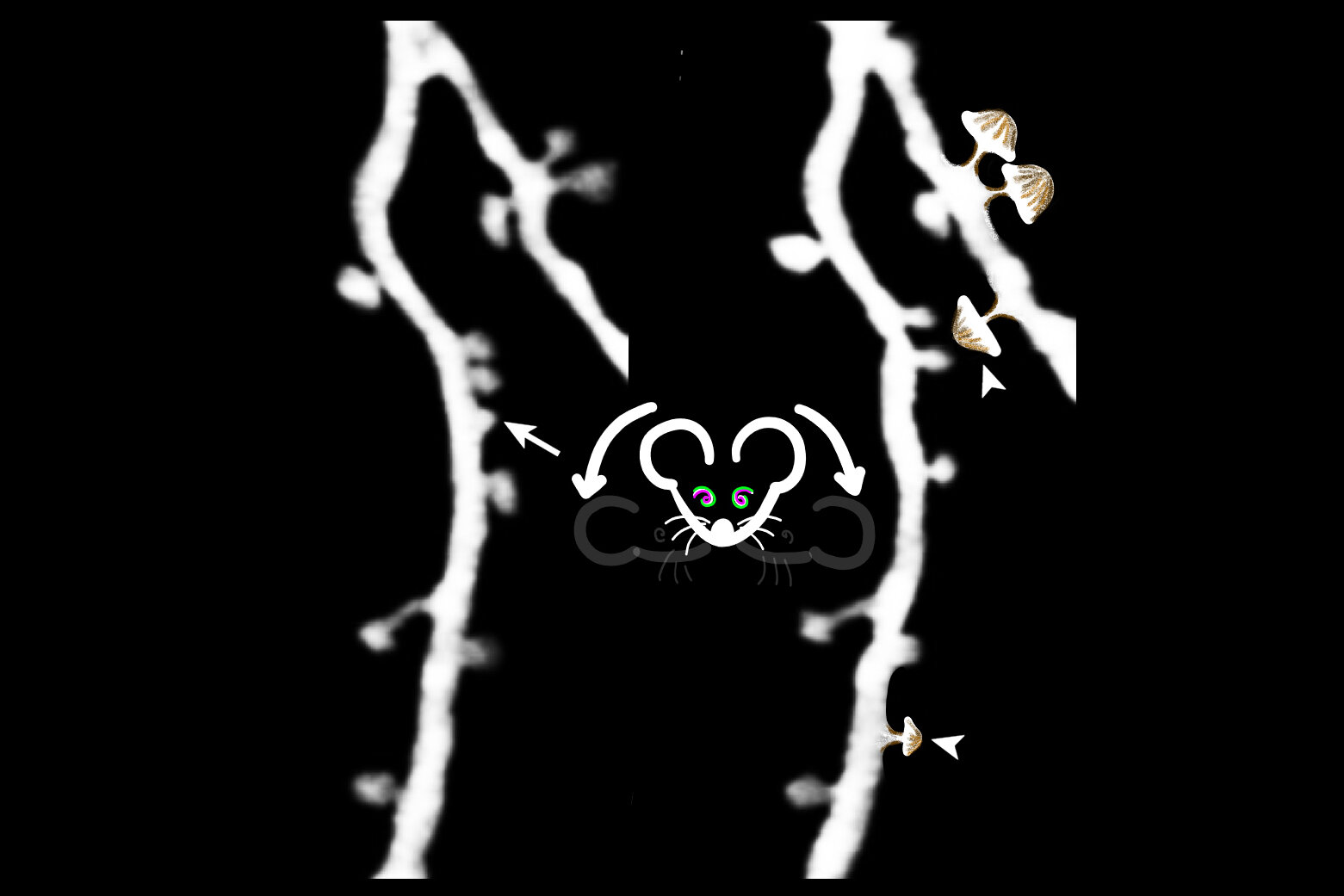
The study, published in the journal Nature Neuroscience, demonstrates in mice that psilocybin rapidly accelerates the formation and maturation of new neural connections while promoting the elimination of some preexisting connections. In addition, the researchers observed a behavioral response in the lab mice indicating that the cellular mechanisms driving this structural plasticity can happen without psilocybin's psychedelic effects.
This provides a cellular framework for developing treatments that promote plasticity with fewer hallucinogenic effects. These findings may inform future research into treatments for depression, post-traumatic stress disorder (PTSD) and other psychiatric conditions.
In the study, the team identified a specific population of cortical neurons critical for psilocybin-induced synapse remodeling. Furthermore, they found that psilocybin selectively rewired circuits based on the brain's underlying health status.
"I consider this work a major advance, particularly in our understanding of how psilocybin reshapes neural circuits and its potential implications for treating mental disorders," said senior author Yi Zuo, professor of molecular, cell and developmental biology at UC Santa Cruz.
Over the past century, the neurobiological study of psychedelics has seen numerous major shifts. Natural psychedelics were introduced to Western science in the mid-20th century, with researchers identifying active compounds like psilocybin and LSD that produced profound alterations in consciousness and mood.
Source link