This article has been reviewed according to Science X's editorial process and policies. Editors have highlighted the following attributes while ensuring the content's credibility:
Early results of the first clinical trial to evaluate the drug invikafusp alfa (invika) in humans indicate that the treatment may be capable of managing cancers that have rebuffed most other interventions, including standard immunotherapy.
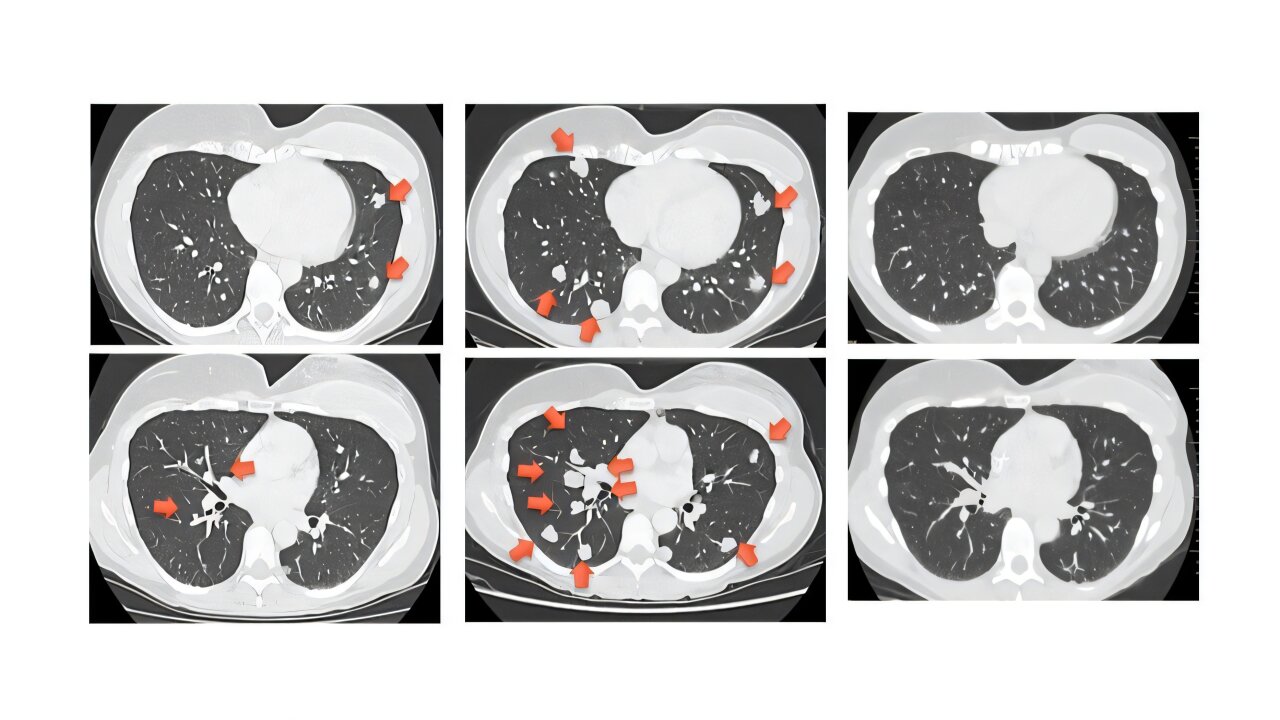
A study led by researchers at the National Institutes of Health (NIH), Mass General Brigham and Memorial Sloan Kettering found that, at optimal doses, invika was well tolerated and, in patients whose solid tumors had resisted standard immunotherapy, halted disease progression in most and shrank tumors in some. The work is published in the journal Nature Medicine.
"Patients whose tumors are advanced—particularly tumors that don't respond well to immunotherapy—often have their backs against a wall. Few options remain once you reach that point, but these results highlight a more precise means of stimulating antitumor immunity that could provide another solution," said co-corresponding author James Gulley, clinical director at the Center for Cancer Research (CCR), part of NIH's National Cancer Institute (NCI).
While immunotherapies have already transformed treatment for several cancers, many patients benefit from them for only a short time, or not at all. Tumors frequently adapt to immune checkpoint blockade (ICB) therapies, such as pembrolizumab, limiting long-term benefits. Other strategies aim to rally T cells, the frontline soldiers of adaptive immunity, but usually do so indiscriminately, commonly leading to severe side effects.
Scientists designed the protein invika to engage a small subset of T cells, two groups of tumor-infiltrating lymphocytes specifically.
Source link