This article has been reviewed according to Science X's editorial process and policies. Editors have highlighted the following attributes while ensuring the content's credibility:
Some adults with chronic hepatitis B may now have a path to something today's treatments rarely deliver—stopping all medication while the virus stays in check.
The U.S. Food and Drug Administration on Tuesday approved Hibsago (bepirovirsen) for certain adults with the long-term liver infection.
It's the first drug of its kind for hepatitis B. It works differently from existing antiviral pills by disrupting the genetic messages the virus needs to multiply.
Over time, chronic hepatitis B can scar the liver, a condition called cirrhosis, and raise the risk of liver cancer. About 1.7 million people in the United States have the infection, according to GSK, the drug's maker.
Standard antiviral treatment means a daily pill, typically for more than a year, according to the Hepatitis B Foundation.
"For many people living with chronic hepatitis B, treatment can mean taking antiviral medication for years to keep the virus suppressed," Dr. Wendy Carter, acting director of the FDA's Office of Infectious Diseases, said in a news release.
Hibsago isn't for everyone. It's approved for adults without cirrhosis who've been on antiviral medicine for at least six months, whose virus is suppressed and who have low levels of a viral protein called hepatitis B surface antigen.
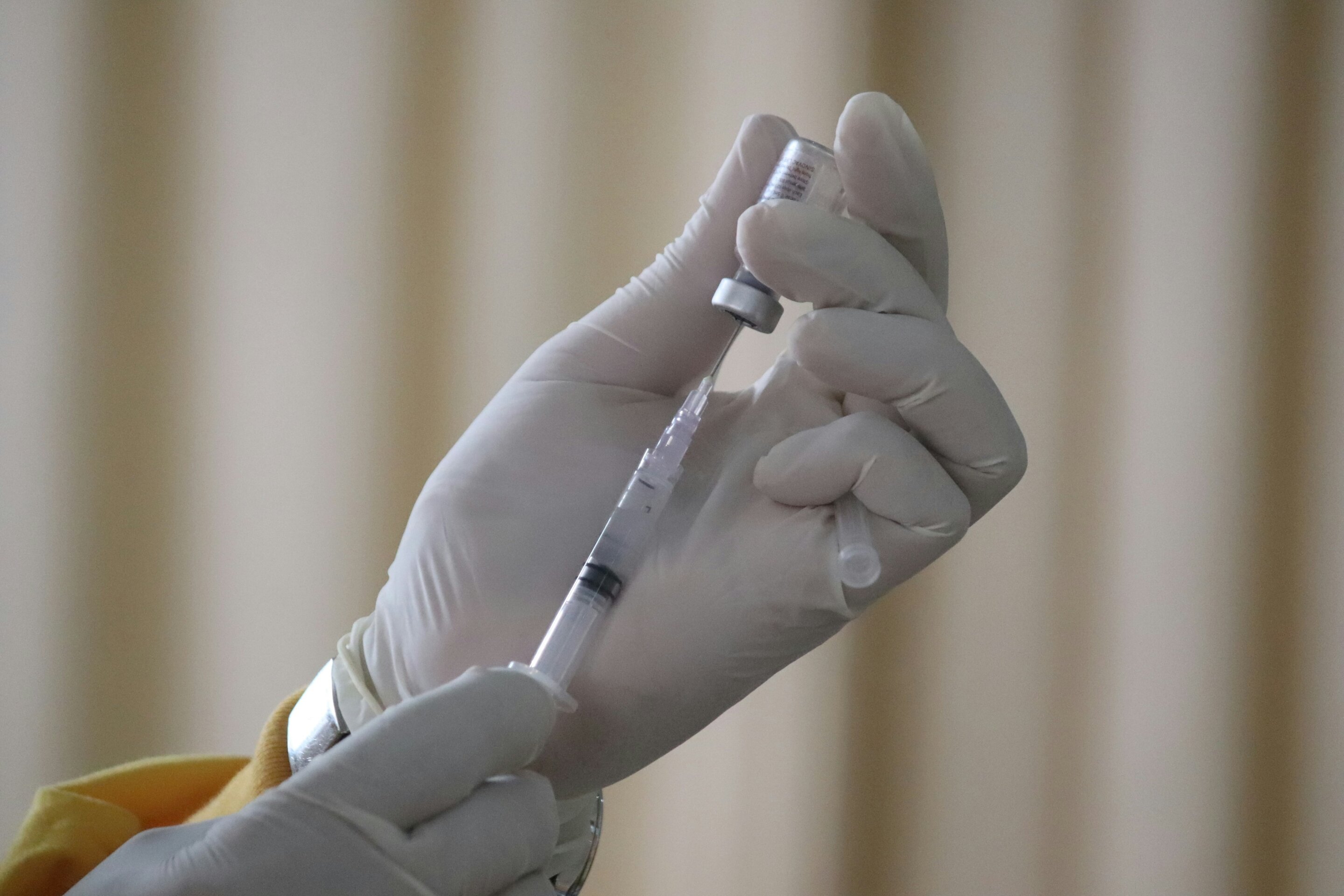
Patients get Hibsago as a shot under the skin for up to six months, along with their usual medicine. After the first dose, they can choose to give themselves the injections, GSK said.
Source link