This article has been reviewed according to Science X's editorial process and policies. Editors have highlighted the following attributes while ensuring the content's credibility:
An extra hour in bed sounds like a good deal. But while our phones may update to the fall time change automatically, our body clock isn't quite so quick. You may even find yourself waking up earlier than normal and ready for bed before your evening has properly begun.
The reason for this partly lies in our circadian system: the roughly 24-hour internal timing system that helps organize tiredness and alertness. Changing the time on a clock does not instantly reset that system.
But there are some things you can do to support your body clock in adapting to the time change. While these strategies won't offer a guaranteed overnight reset, they will help you get back on track.
Your body doesn't judge whether it's day or night by using the numbers on a clock. Rather, a tiny region in the brain called the suprachiasmatic nucleus (SCN)—which acts as the body's master clock—uses light signals from the eyes to help keep our circadian rhythm on track.
Bright evening light can suppress melatonin, a hormone that signals biological night, and shift your internal clock later. This can help explain why some people feel less sleepy at their usual bedtime during the long, bright evenings of summer.
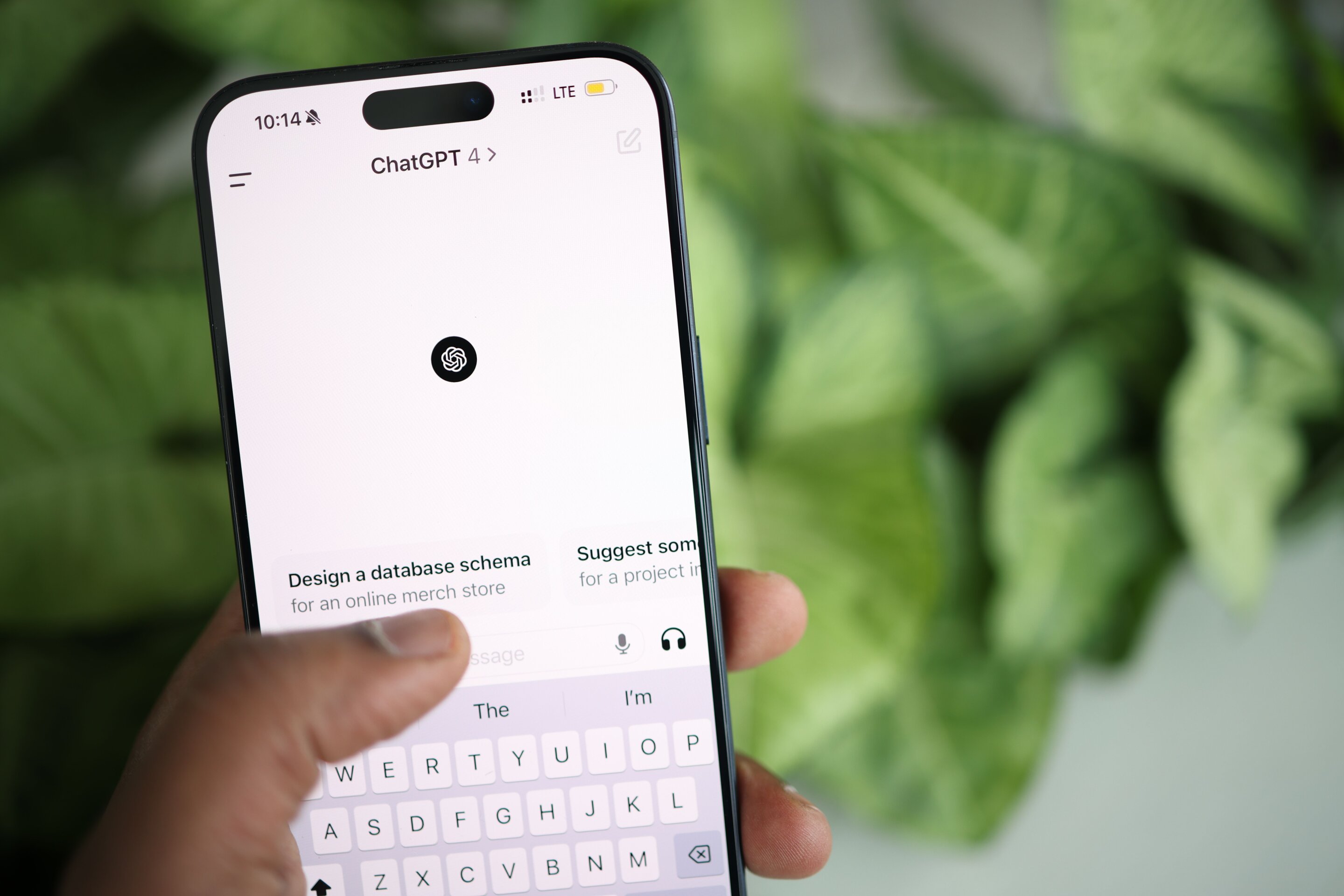
But even the light from electronic devices such as phones or e-readers can contribute to melatonin suppression.
So as your intended bedtime approaches, switch to lower, softer lighting and reduce screen brightness.
Source link