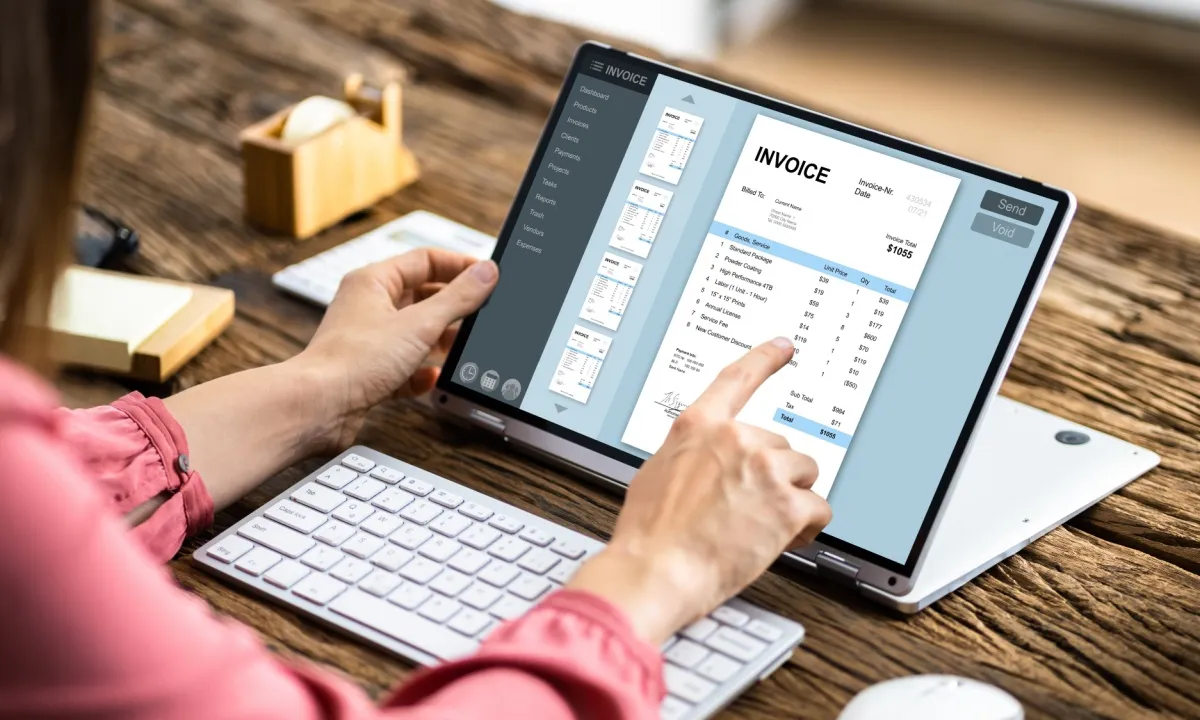
European eInvoicing mandates seek to standardize how businesses deliver the information used to approve and collect payments. Invoice amounts, tax details and transaction references enter defined fields that accounting software reads and processes, establishing a common basis for exchange between suppliers, buyers and their providers.
Complete the form to unlock this article and enjoy unlimited free access to all PYMNTS content — no additional logins required.
The rollout extends across companies of different sizes and across national borders, touching everything from supplier onboarding, purchasing, accounts payable to collections, with deadlines determining when trading partners must participate.
PYMNTS Intelligence’s May 2026 report, “Ready and Willing: B2B Payments Are Headed for Real-Time Rails. Here’s How They’re Getting There,” produced with The Clearing House, documents businesses’ integration priorities. Among 271 senior finance and payments executives surveyed, 22% selected better integration with accounting, enterprise resource planning or treasury systems as the most important improvement to B2B payment performance over the following two years. The share reached 29% among businesses generating at least $25 million annually.
Belgium introduced mandatory structured eInvoicing on Jan. 1, covering nearly all domestic transactions between Belgian businesses liable for VAT.
France’s rollout began Sept. 1. Businesses within its scope must receive electronic invoices, while large and intermediate-sized enterprises must also issue them. Issuance requirements extend to small, medium-sized and microenterprises from Sept. 1, 2027. The invoicing requirement covers domestic transactions between businesses established in France and subject to VAT.
Source link