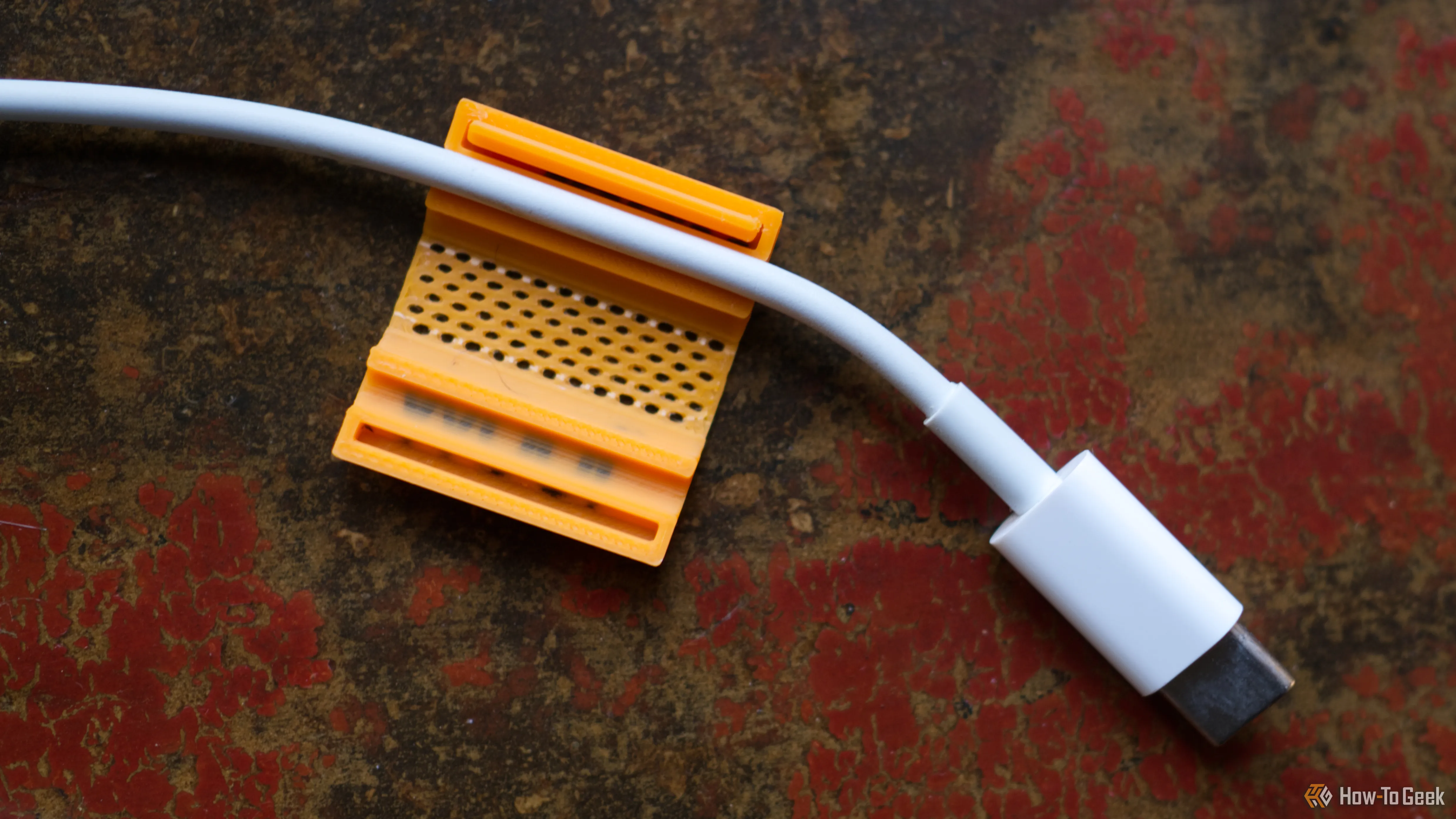
Receiving a power adapter with every tech purchase is a thing of the past, but the same can’t be said of cables (thankfully). With almost everything now charging via USB-C, you’ll quickly amass a collection of cables that have seemingly universal compatibility.
“USB-C” refers to the connector on the end of the cable, a symmetrical and reversible plug that fits snugly into your devices. When we say “USB-C cable,” we really mean “USB cable of undefined specification that happens to use the USB-C connector.”
The USB standard has been constantly evolving since its inception. The main specifications that you need to worry about are data rate and power delivery. Data rate refers to how fast data can be passed between devices, and some cables don’t support data transfer at all. Power delivery determines how fast a device can charge, or whether thirstier devices like laptops can be powered at all.
These two specifications have nothing to do with one another. You might receive a USB-C cable with a laptop that can handle the 60W your laptop needs to charge, which is stuck on USB 2.0 speeds. The opposite is true too, since some cables that support 40Gbps data transfer can have relatively low power delivery capabilities.
For a cable to support fast data speeds, it must use shielded data wires. Higher power throughput depends on more copper and an E-Marker chip which identifies what the cable is capable of to whatever it is plugged into. There are cables that support both, but these are typically premium options.
Source link