Researchers in the US have discovered why sodium solid-state batteries could last longer without losing capacity, while uncovering a surprising way to grow sodium metal crystals using powerful electron beams.
The project was led by researchers at the University of Chicago, who joined forces with Argonne National Laboratory (ANL) and Thermo Fisher Scientific. They found that sodium metal can form directly from a solid electrolyte without developing a harmful chemical layer linked to battery degradation.
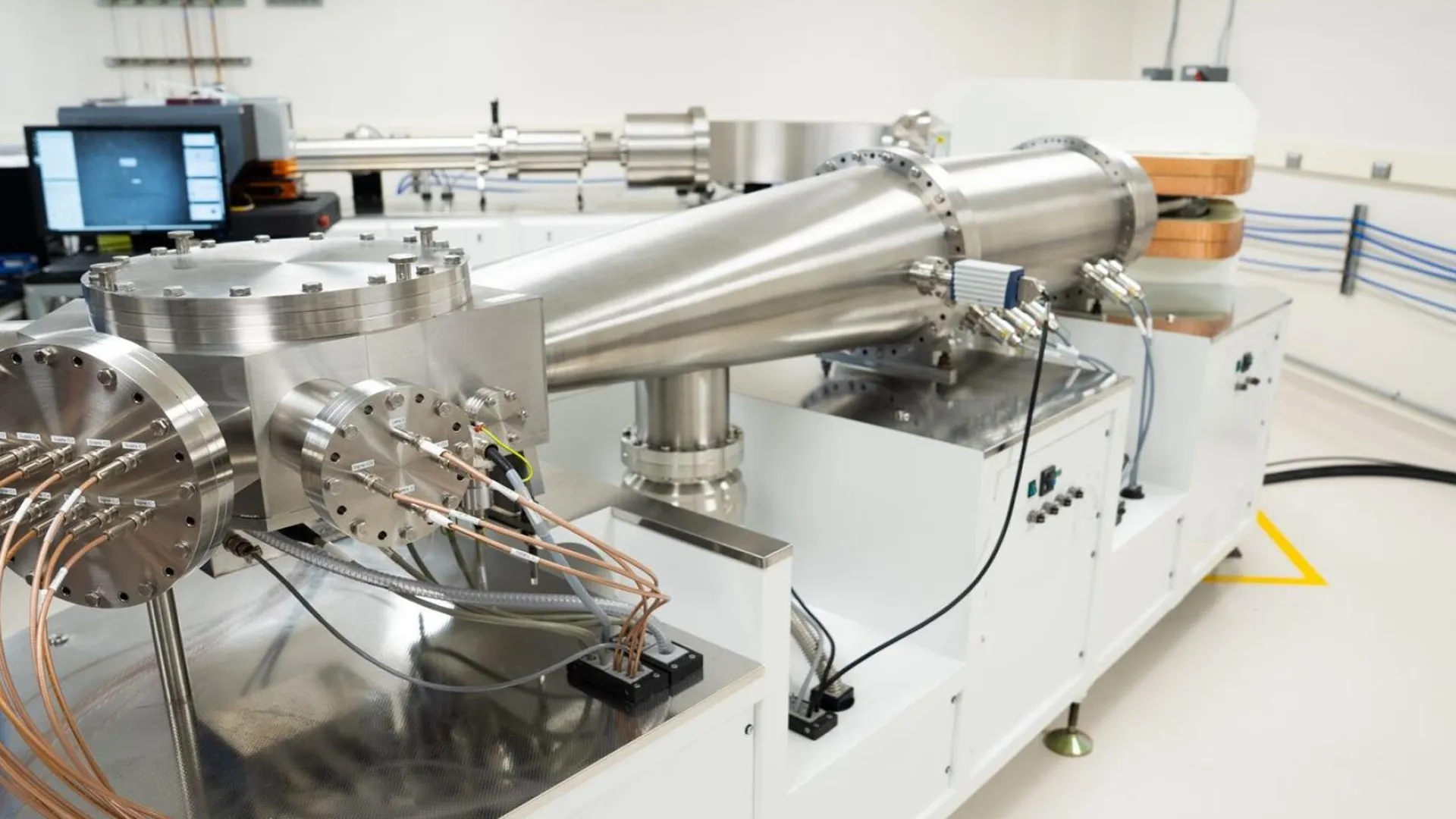
The team also found that electron microscopes, which are often used to examine battery materials at the atomic level, can damage the materials they are meant to study. This, the team says, could improve sodium batteries.
“Zooming in and being able to see what happens at the interfaces between battery components is an invaluable tool to diagnose what’s going wrong in our batteries and to figure out how we can heal that problem and fix it in the next generation,” James Burrow, PhD, ESRA deputy assistant director, highlighted.
Most modern rechargeable batteries rely on lithium-ion cells. However, lithium supplies are limited, and some batteries require critical minerals such as cobalt and copper. Sodium offers a more widely available alternative.
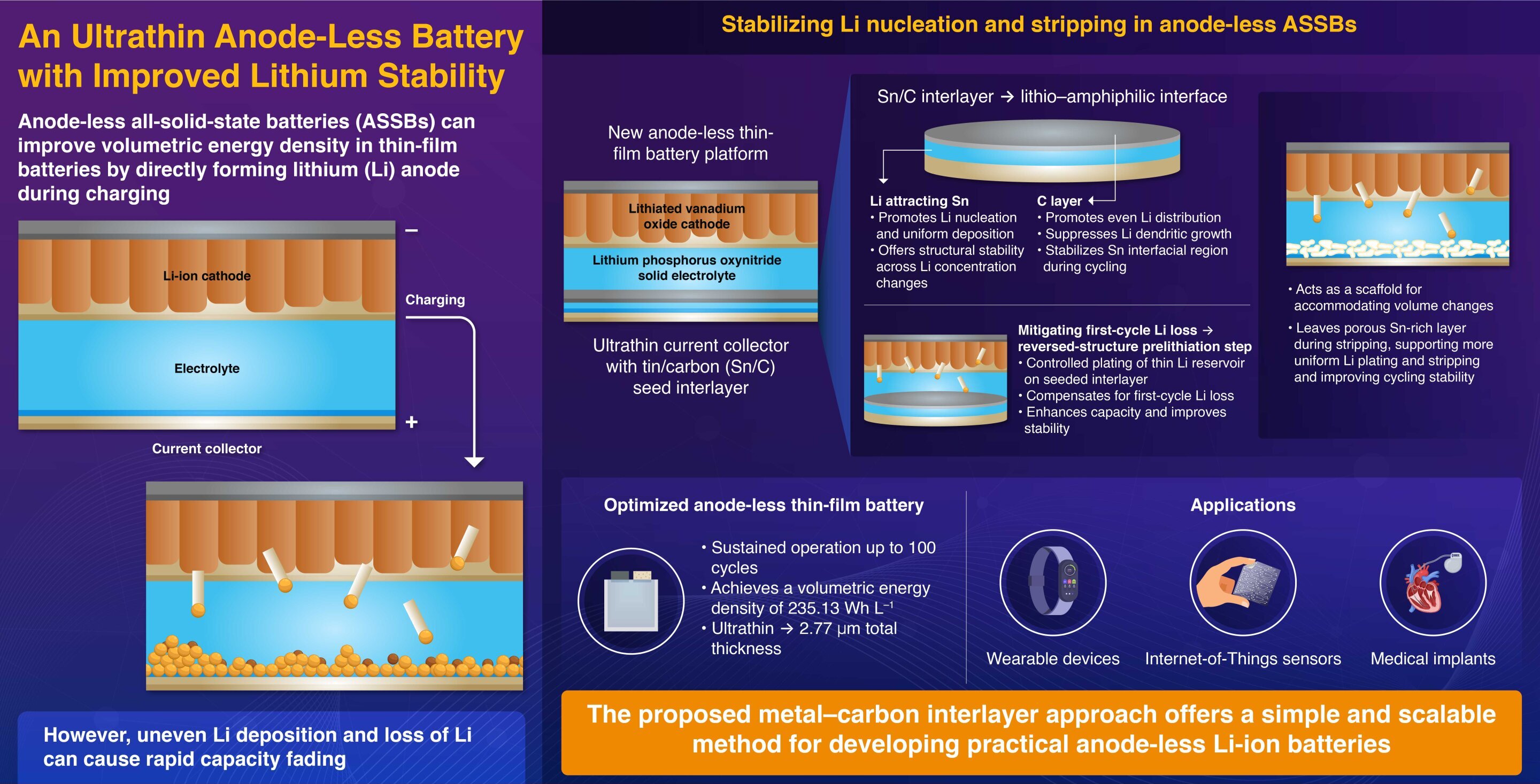
In 2024, the University of Chicago team developed the world’s first anode-free sodium solid-state battery. It showed promise for fast charging and long-term energy storage. To better understand its performance, they examined the solid electrolyte used in the battery with advanced electron microscopy.
However, the research team realized that the powerful electron beams inside the microscope can change the structure and chemistry of sensitive battery materials , and produce misleading results.
Source link