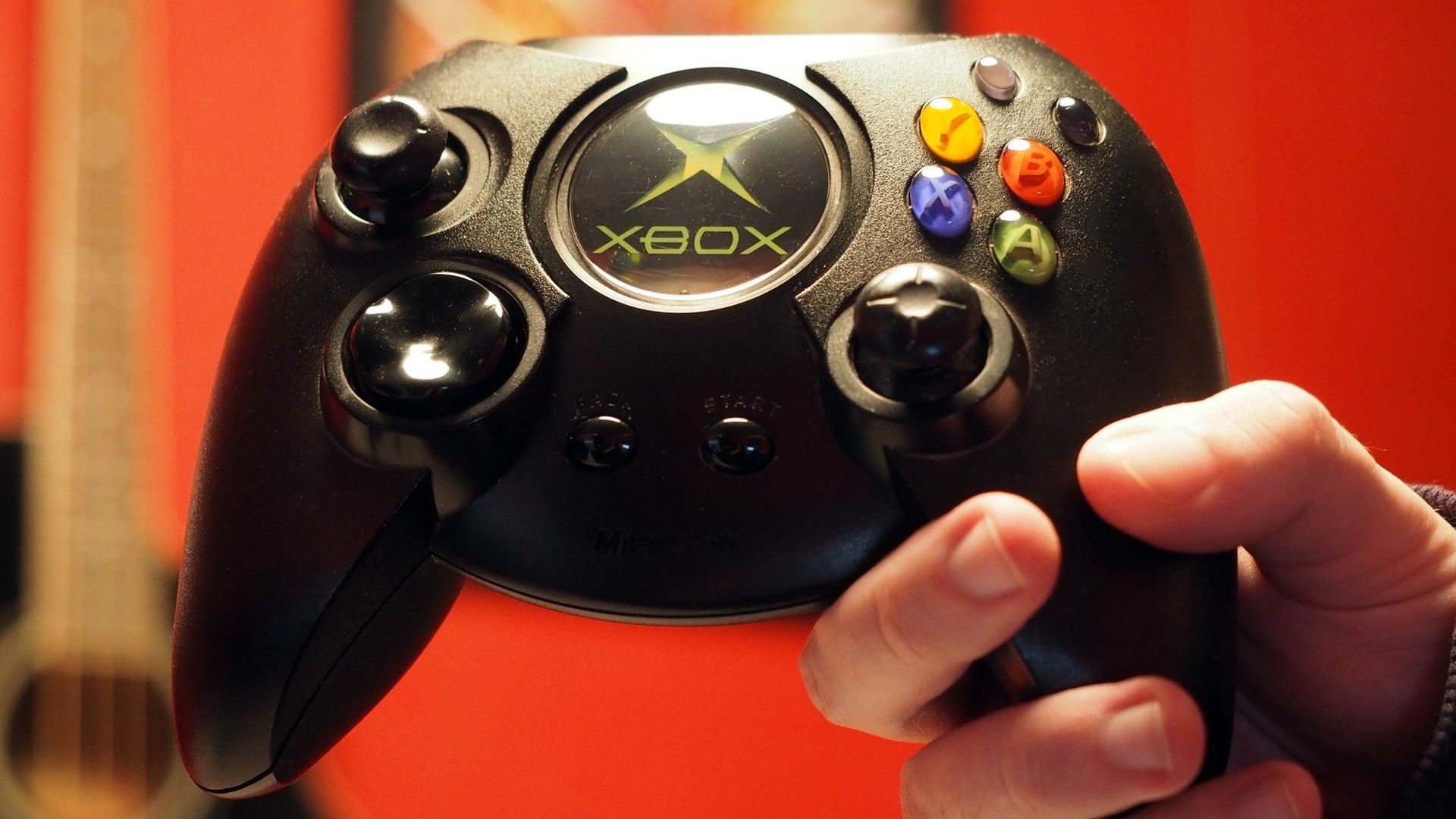
The official XBOX 25th anniversary is approaching fast, with November 15 flanked on both sides by plans for special hardware, celebratory merchandise, and a wave of themed cosmetics from Microsoft's gaming division.
It's almost hard to comprehend, given that I remember the much-anticipated launch of the original XBOX quite clearly.
But time marches on, and XBOX has proven it can iterate its hardware and innovate its experiences over the years.
So, in another mix of self-indulgent nostalgia and reflection on how far the technology has come, I'm looking back at how far performance has leaped across these console generations, from the original XBOX to the Series X and beyond.
Microsoft's first console was comically gigantic and heavy, packed with parts that felt at home in a mid-to-high-tier desktop PC of the time. Its DVD drive sat alongside a 3.5-inch hard drive with 8–10 GB of space, connected via old-school IDE ribbon cables, and together they made up most of the heft. Some of my braver friends replaced their HDDs, requiring injected softmods to work.
Deeper inside, Intel provided a modified Pentium III x86 CPU built on a 180 nm process, which it has since scaled down incredibly far to the latest 18A process node used in its mainstream chips. Running at 733 MHz, the processor sat alongside 64 MB of DDR RAM (that's megabytes, not gigabytes) clocked at 200 MHz and an NVIDIA GeForce 3-based GPU at 233 MHz.
Looking back, it's fascinating how the OG XBOX resembled many of my friends' PCs at the time; we either paired Intel CPUs with NVIDIA GPUs or opted for AMD CPUs with ATI (later acquired by AMD) GPUs.
Source link