Your phone likely uses more than GPS to figure out where you are
In a casual conversation, you could maybe get away with using the acronyms GPS and GNSS interchangeably. The two are closely related, in the same way that an iPhone is a type of smartphone. GNSS stands for Global Navigation Satellite System, a broad term for any satellite navigation system, including GPS. NASA describes it as providing "autonomous geospatial positioning" because, of course, they do. The most important takeaway is that GPS, as familiar as it is to everyone, is merely a type of GNSS, specifically the United States' satellite navigation system.
It doesn't end there. Other major GNSS constellations include Russia's GLONASS, the European Union's Galileo, India's NavIC and China's BeiDou. Japan's QZSS supplements navigation systems in its region. Everyone has their own thing, it seems, though these systems aren't restricted to their own countries. For instance, GPS works around the world, as do the systems run by Russia, the EU and China. The names are just indicative of who operates them, not where a smartphone can use them.
People often use "GPS" as a catch-all for any satellite-based location service because GPS simply became the most well-known term. So, if you're looking at a spec sheet for a device and it describes this device as GNSS-capable, it could mean that the device can use more than just US GPS satellites.
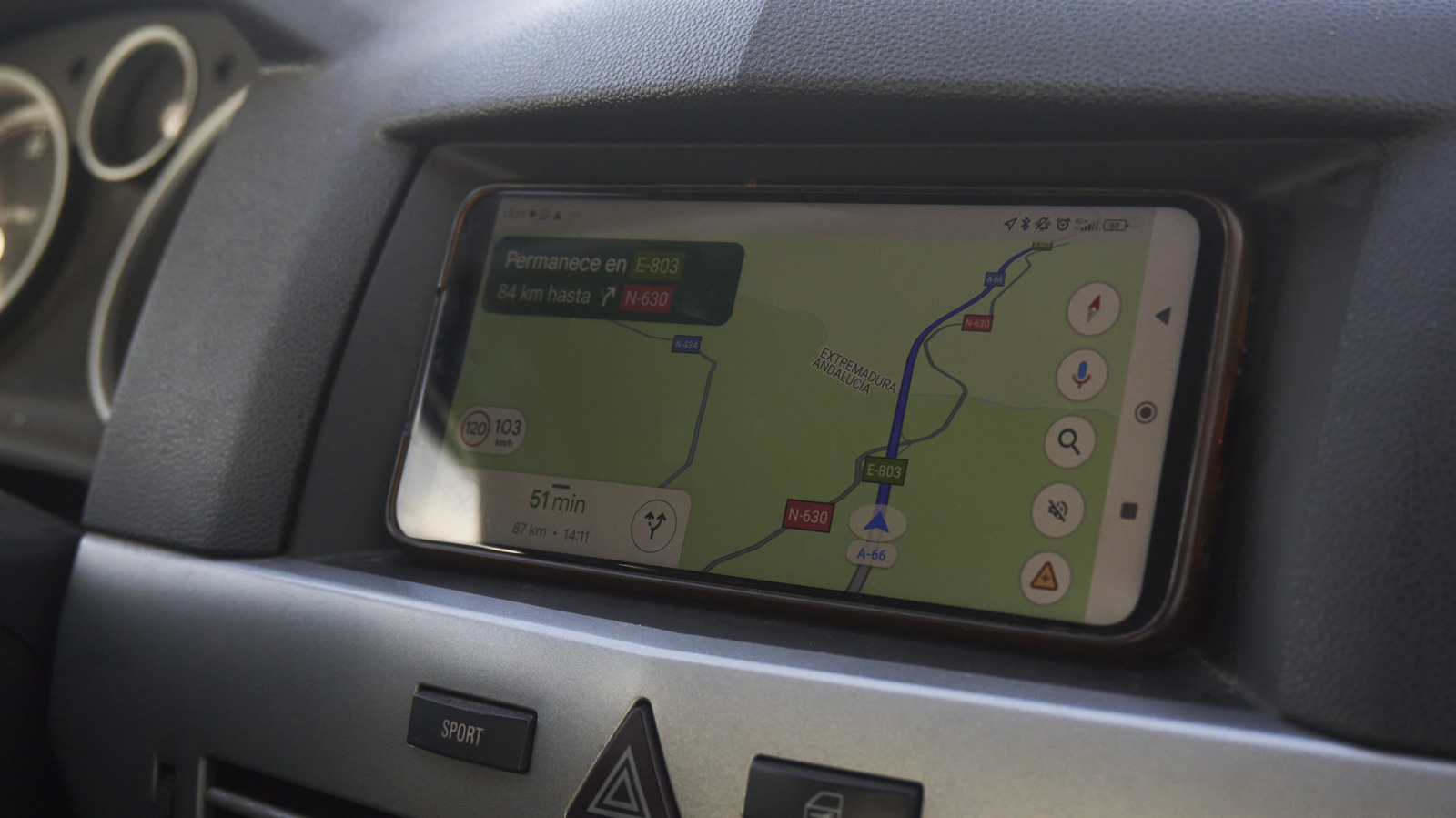
This is the case for most modern smartphones. Again, GPS is just the most familiar acronym, but your phone's location chip is probably a multi-constellation GNSS receiver.
Source link