Spaceflight does strange, rapid things to the human body. Six months in orbit can age an astronaut by 10 to 20 years on Earth.
Now, small models of living human tissue are riding a rocket into orbit to help explain why, and their journey could transform medicine both in deep space and on Earth.
On Tuesday, NASA and SpaceX launched the 35th Commercial Resupply Services (CRS-35) mission. A Falcon 9 rocket roared into the morning sky from Cape Canaveral, carrying over 6,300 pounds of vital cargo and cutting-edge science toward the International Space Station (ISS).
Among the most interesting payloads packed inside the Dragon spacecraft are tiny, lab-grown “mini organs”.
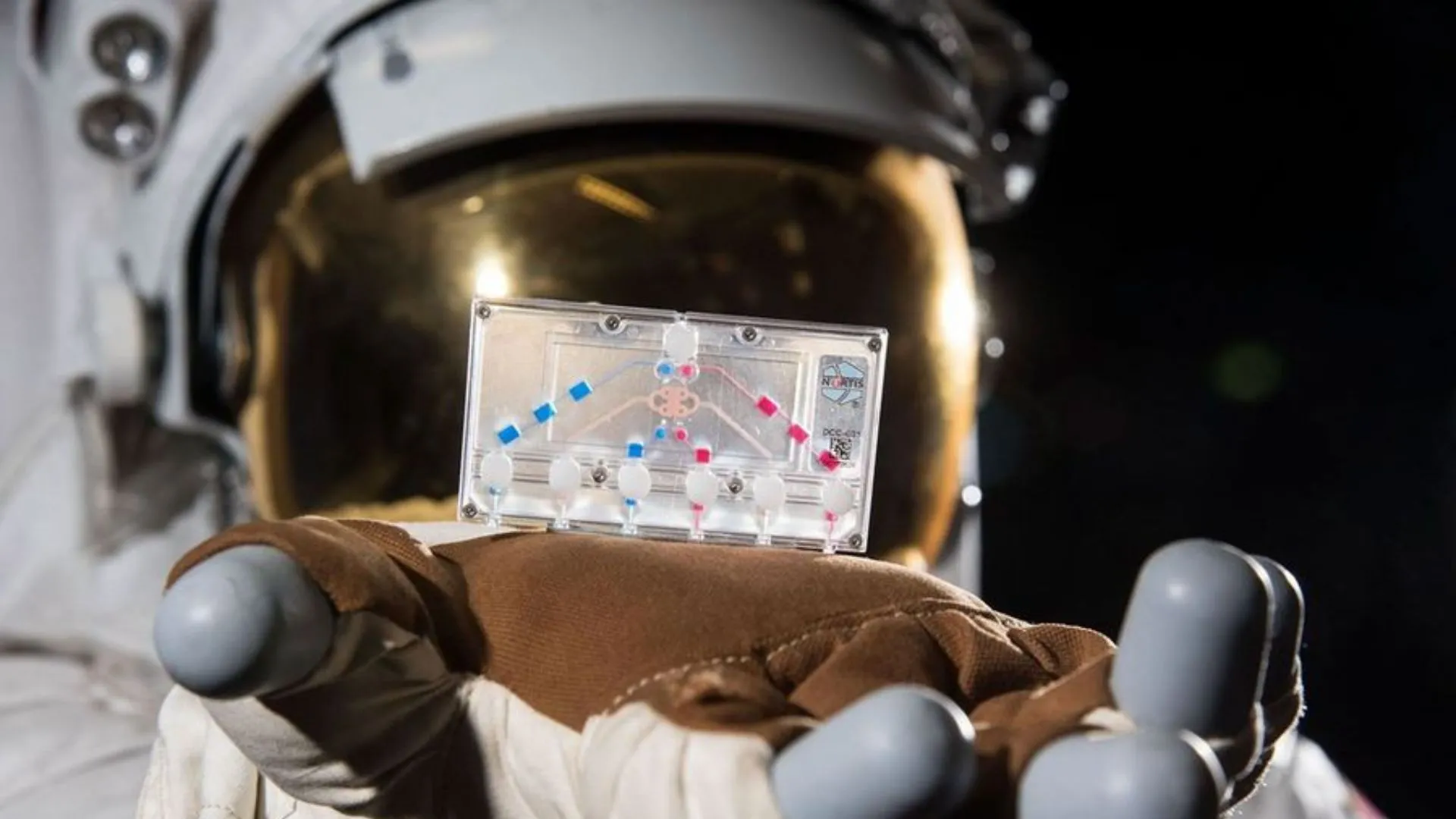
In a collaboration between Mount Sinai, NASA, and aerospace company Space Tango, researchers sent up to 16 miniature human heart models and lab-grown brain organoids into orbit.
Floating in microgravity and exposed to space radiation, these tiny tissue models will act as accelerated biological test subjects.
Studying miniature organs in microgravity is beneficial for various reasons. It helps anticipate the health challenges astronauts will face during long missions, while simultaneously offering a unique model to accelerate research on human aging and age-related diseases on Earth.
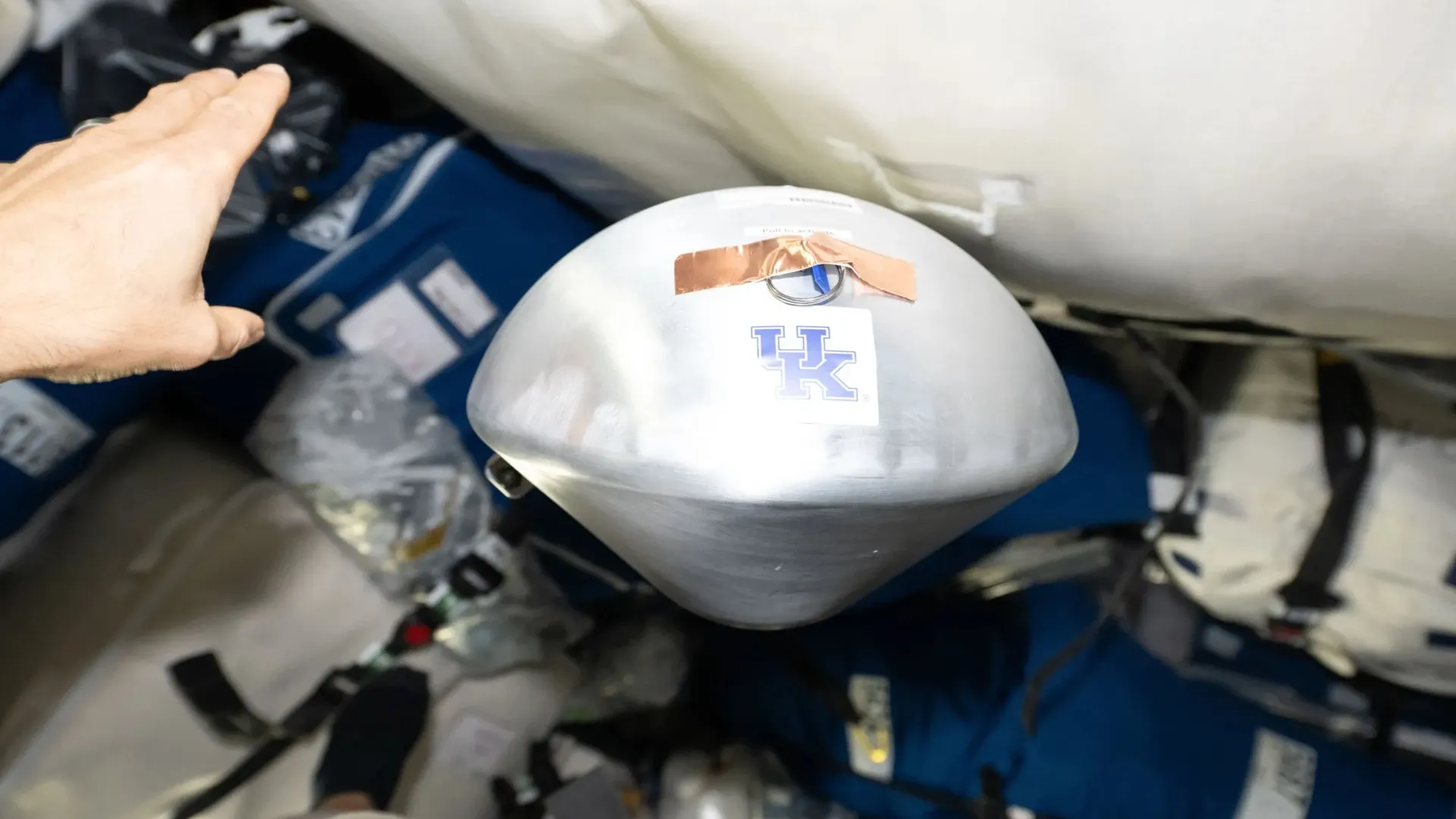
To support these living tissues, Space Tango integrated them into CubeLab. It is a miniature automated laboratory that mimics the natural environment of the human body. Inside it, researchers will deliver electrical signals to monitor how 3D heart models contract and react to near-zero gravity.
Microgravity rapidly accelerates biological aging. As a result, experts can gather vital health data from these miniature organs in a fraction of the usual time.
Source link