Scientists have taken an unusually detailed look at the organic chemistry preserved inside two meteorites, revealing tens of thousands of carbon-based molecules and, for the first time in this study, images showing the structures of individual molecules.
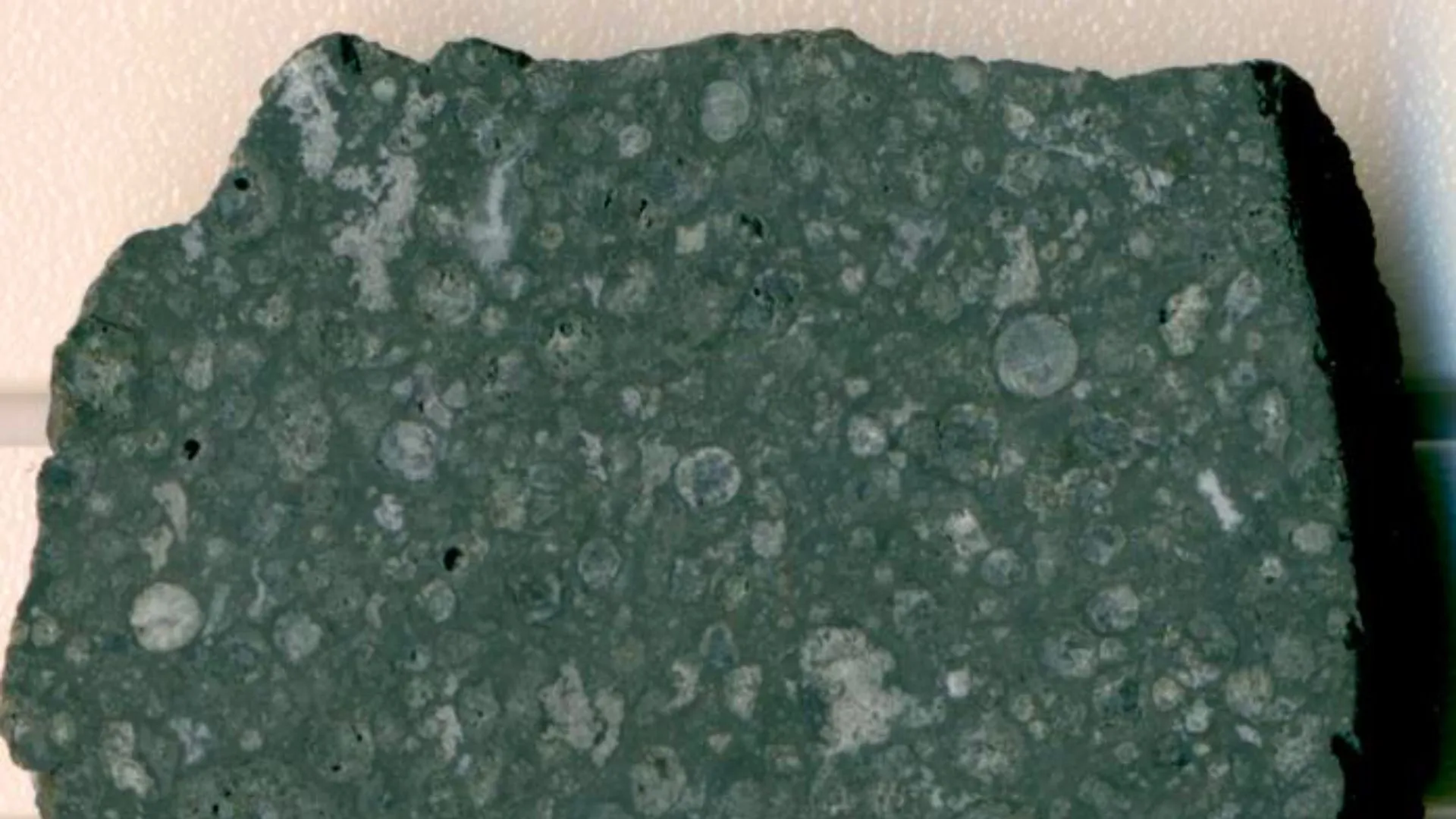
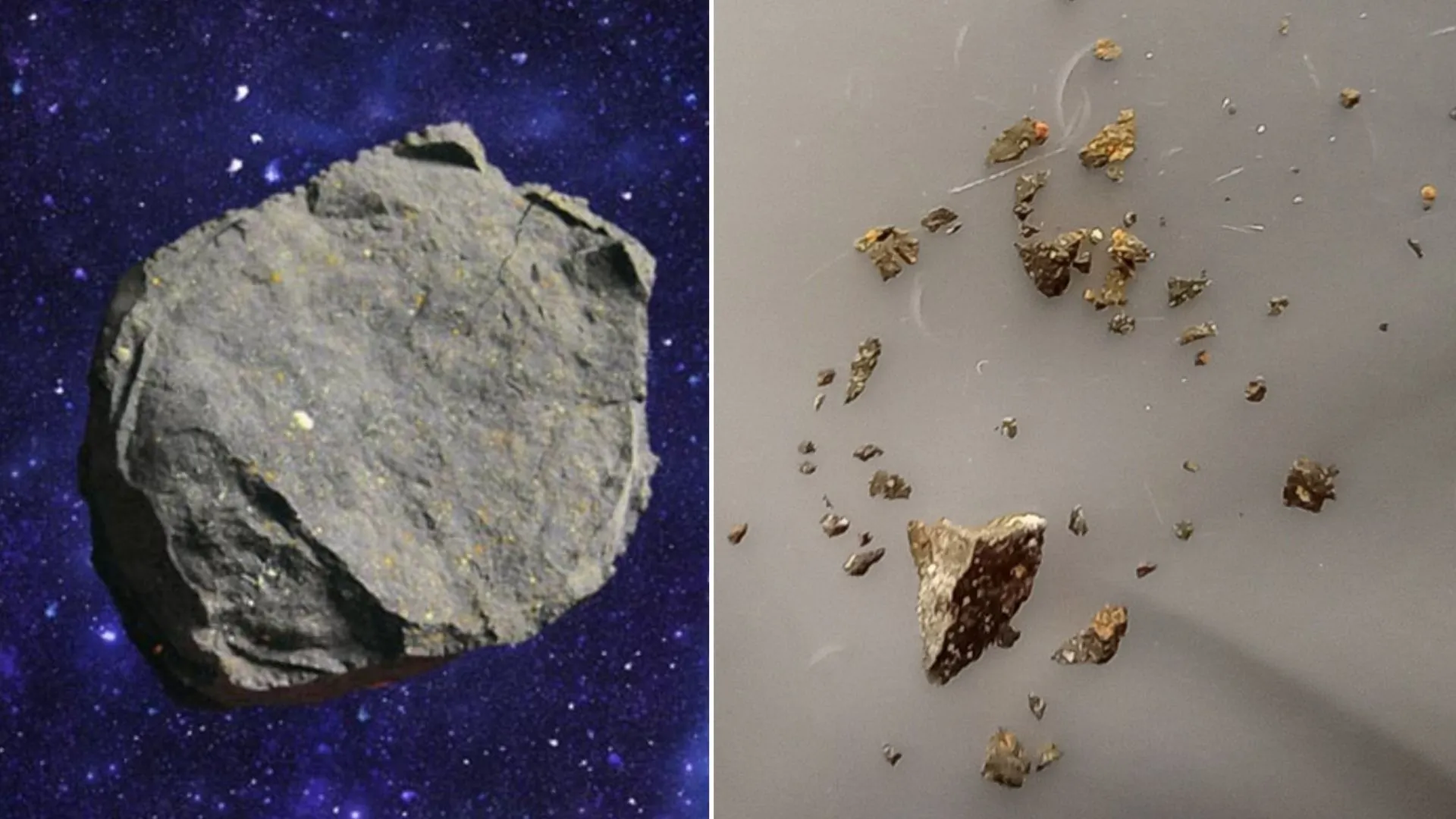
The research brought together scientists from the National High Magnetic Field Laboratory (MagLab), Florida State University, and Brookhaven National Laboratory. Using the MagLab’s ultra-high-resolution mass spectrometer and Brookhaven’s atomic-scale microscopy, the team examined fragments of the Murchison meteorite, which fell in Australia in 1969, and the Aguas Zarcas meteorite, which fell in Costa Rica in 2019. The findings were published in The Planetary Science Journal.
Meteorites can act as chemical time capsules, preserving material from the period when the solar system was forming. Murchison is particularly valuable because it is a carbonaceous chondrite containing abundant organic material and has been studied extensively since its fall.
The new analysis used the MagLab’s 21-tesla Fourier-transform ion cyclotron resonance (FT-ICR) mass spectrometer, which can distinguish an enormous number of compounds within extremely complex mixtures.
Researchers dissolved tiny pieces of the meteorites in organic solvents before analyzing them. The technique revealed tens of thousands of carbon-based molecular compositions in small samples of each meteorite.
That number does not mean scientists identified tens of thousands of completely unique molecular structures. Mass spectrometry primarily reveals the molecular formulas present, and different molecular structures can share the same formula. This is where the Brookhaven contribution became important.
Brookhaven scientist Percy Zahl used high-resolution, noncontact atomic force microscopy to examine individual molecules from the meteorite material.
Source link