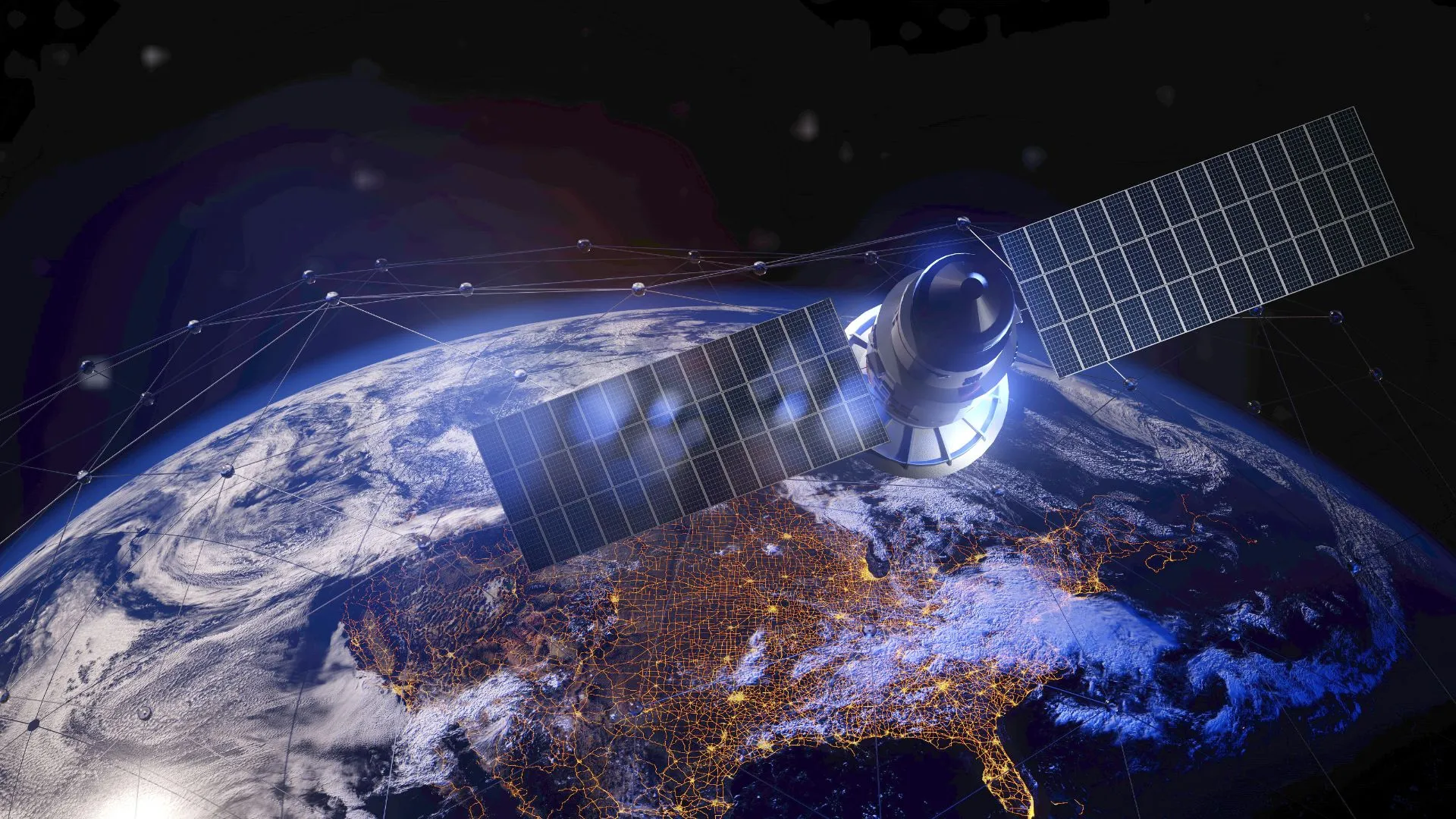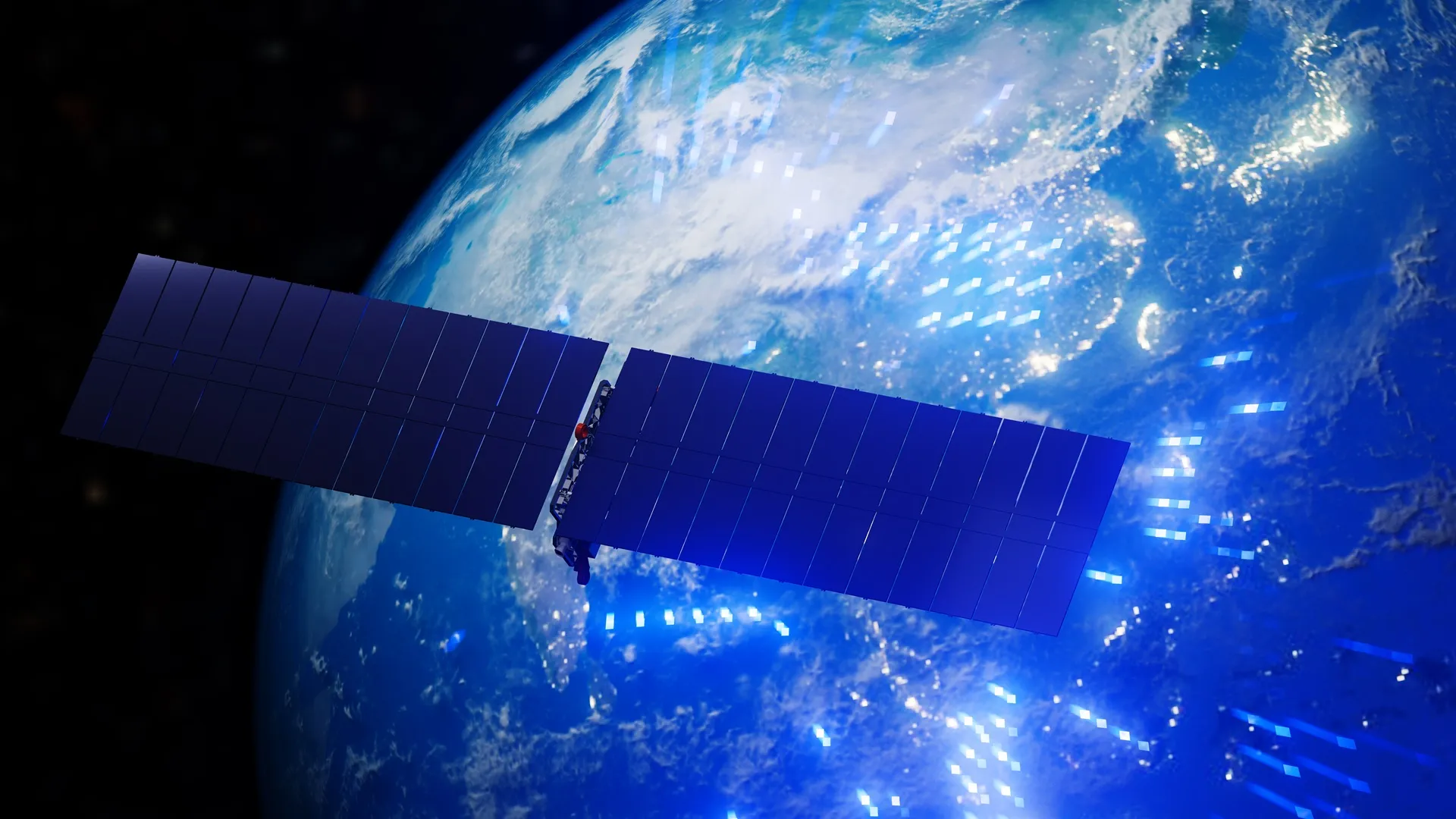
In a move that could scale AI compute in space, Google is preparing to send its Tensor Processing Units (TPUs) into orbit for the first time to determine whether powerful computing hardware could eventually operate beyond Earth.
The prototype satellite will fly aboard SpaceX’s upcoming Transporter-18 rideshare mission and test how Google’s chips withstand launch forces, radiation, and extreme temperature conditions in low Earth orbit. The mission was developed with satellite company Planet.
The flight is the first orbital hardware test under Project Suncatcher, Google’s research effort exploring whether clusters of satellites could one day host large-scale machine learning infrastructure. Satellites in low Earth orbit can access near-continuous sunlight and potentially generate up to eight times more solar power than comparable systems on Earth, according to Google.
The immediate goal is more basic: find out whether hardware designed for terrestrial data centers can reliably survive launch and continue operating in the harsh environment of space.
A trip to low Earth orbit subjects a spacecraft to intense vibration and sustained acceleration reaching about 10 times Earth’s gravity. Individual components, including TPU chips, can experience forces of 50 to 100 g.
Google subjected its satellite hardware to vibration tests along all three axes to reproduce frequencies encountered during a rocket launch. The company said the hardware survived those tests.
Radiation poses another problem. Cosmic rays and solar activity can interfere with electronics and cause errors such as bit flips. Google tested its Trillium TPUs using a proton beam at UC Davis’ Crocker Nuclear Laboratory while the processors ran machine learning workloads.
Source link