Northrop Grumman has won a U.S. Space Force deal to develop a new reconnaissance satellite for geosynchronous orbit.
The spacecraft will serve as a prototype for the Defense Innovation Unit’s GHOST-R program. The effort aims to bring faster and lower-cost surveillance capabilities into one of the most important regions around Earth.
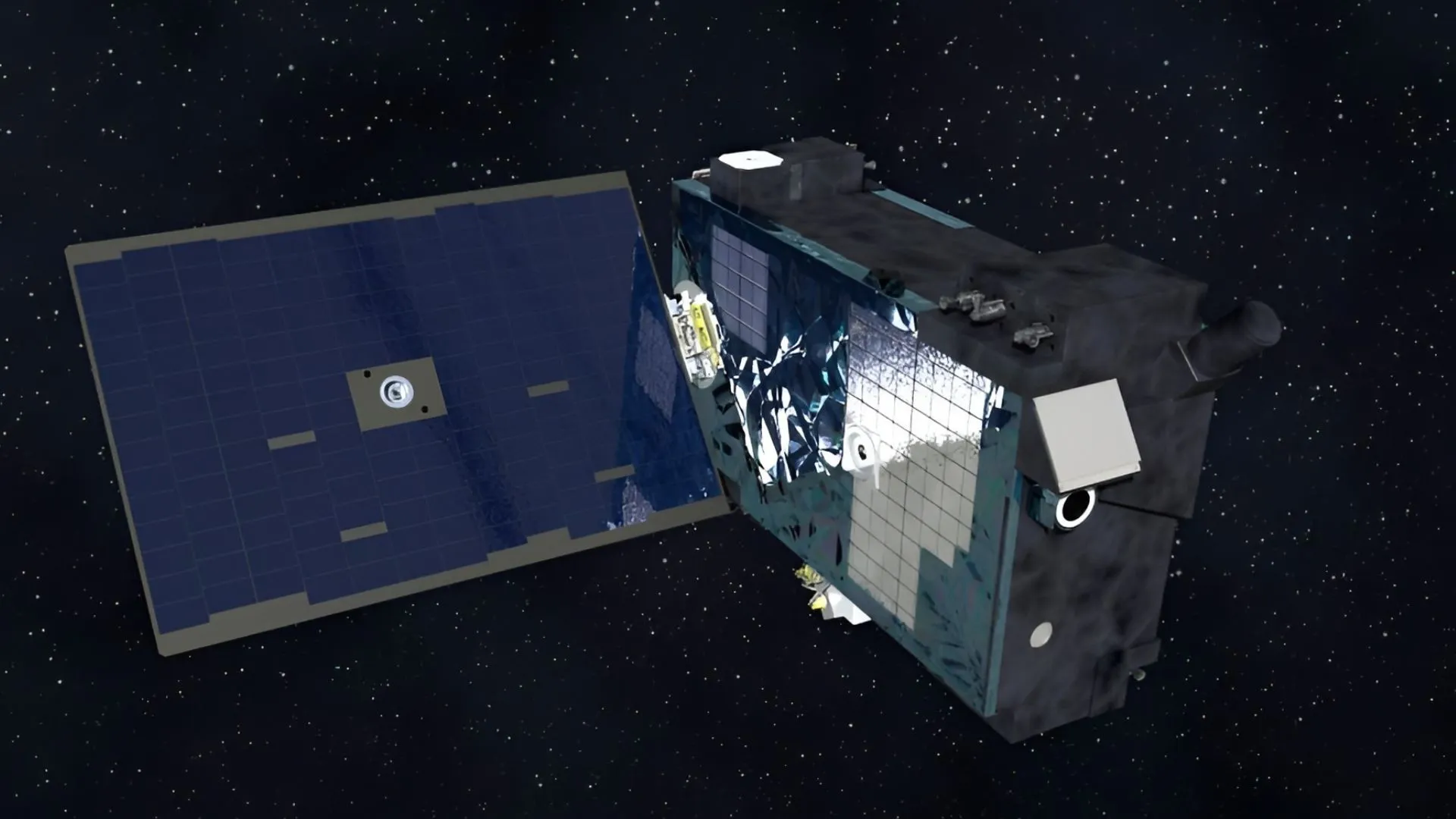
Northrop will use its ESPASat-L spacecraft platform for the mission. Irvine, California-based TRL-11 will supply the optical payload for the satellite.
ESPASat-L gives Northrop a compact platform for carrying specialized mission hardware into space. The spacecraft measures roughly the size of a small suitcase.
The platform also works with Northrop’s ESPAStar rideshare architecture. Its modular design allows different payloads to support different missions.
For GHOST-R, the optical equipment will provide the satellite with its primary observation capability. Northrop will then assemble, integrate, and test the complete spacecraft.
Those activities will take place at facilities in Dulles, Virginia, and Gilbert, Arizona. The finished spacecraft will eventually move to the Space Force for operations.
GHOST-R targets resident space objects in geosynchronous orbit. Satellites operating there can support military communications and other critical national security functions.
Northrop faces an accelerated 24-month schedule for the prototype. That timeline covers spacecraft production, payload integration, testing, and delivery.
The program reflects growing interest in commercially derived spacecraft for national security missions. Established platforms can provide a foundation without requiring every mission to start with a new satellite design.
Ryan Tintner, Northrop Grumman’s vice president and general manager for space superiority, pointed to the growing activity around Earth’s geosynchronous belt.
Source link