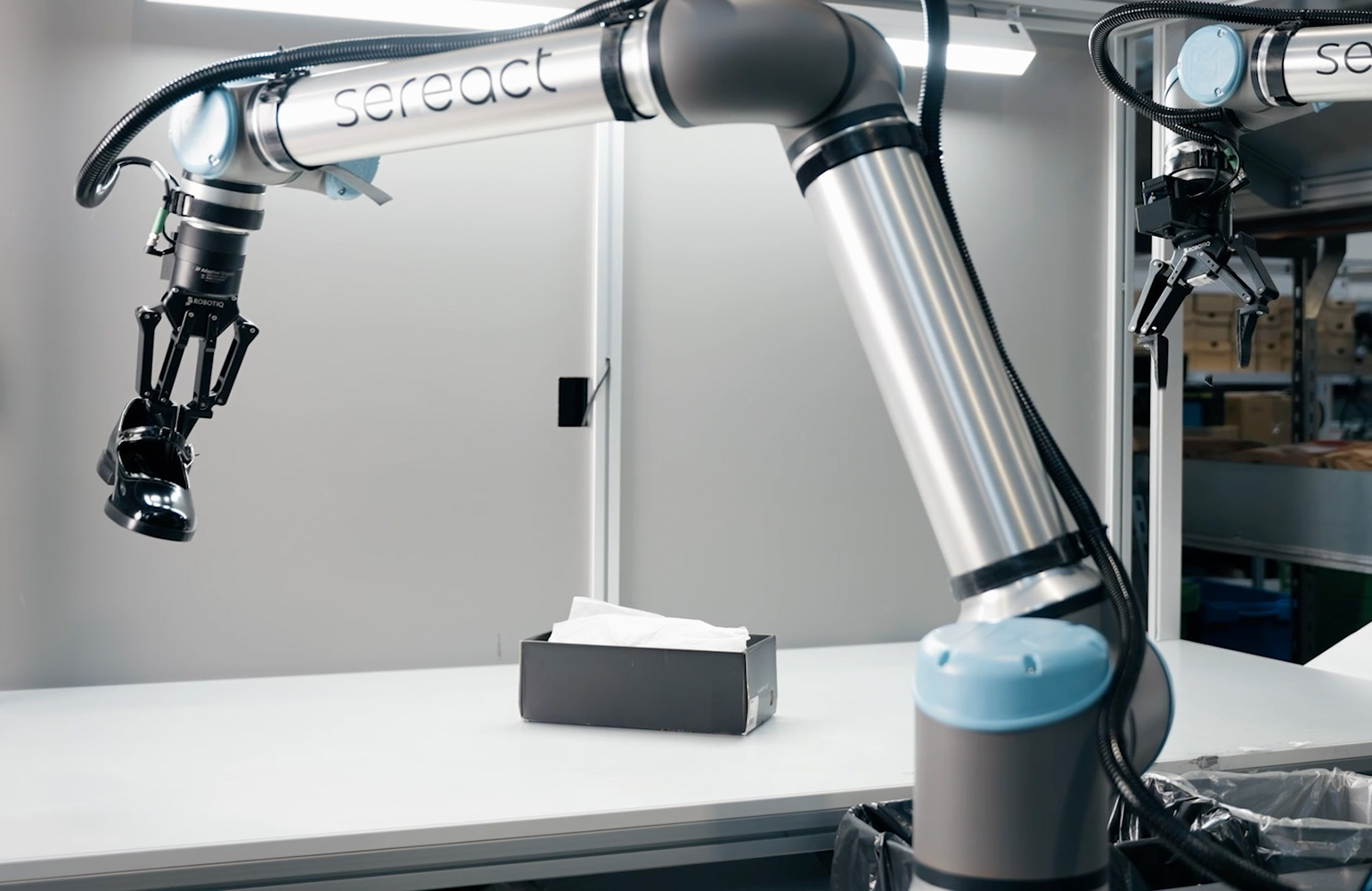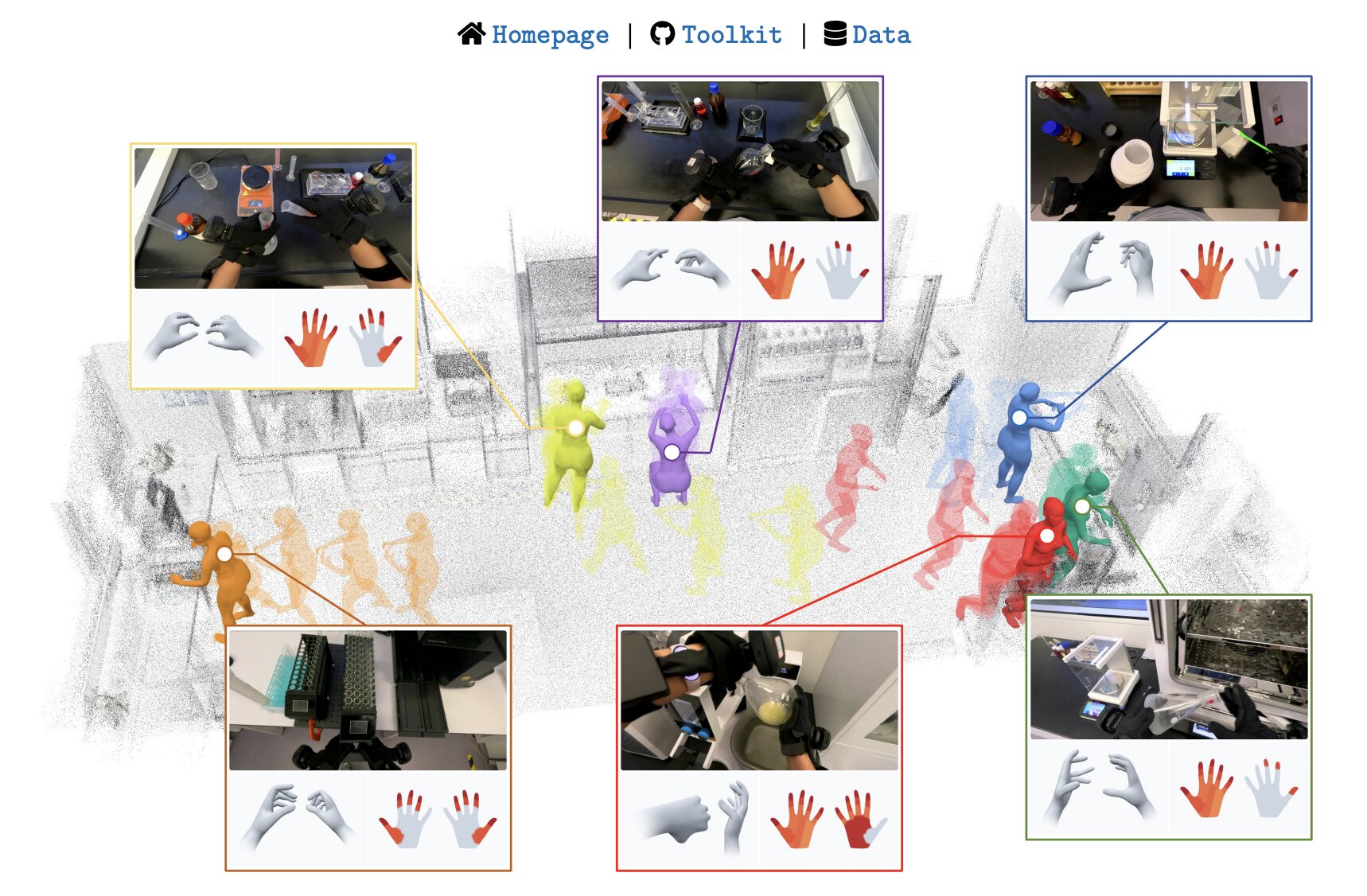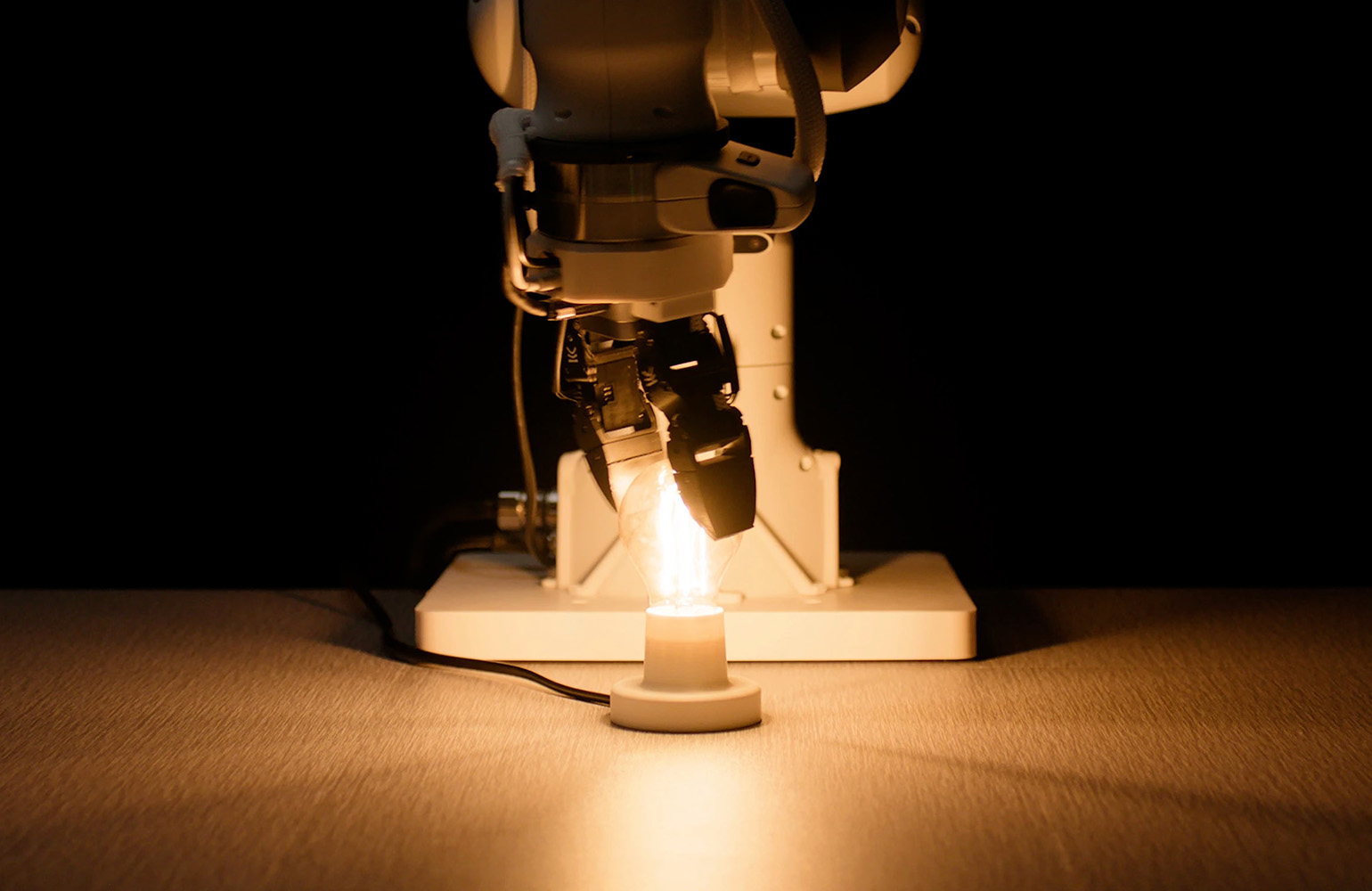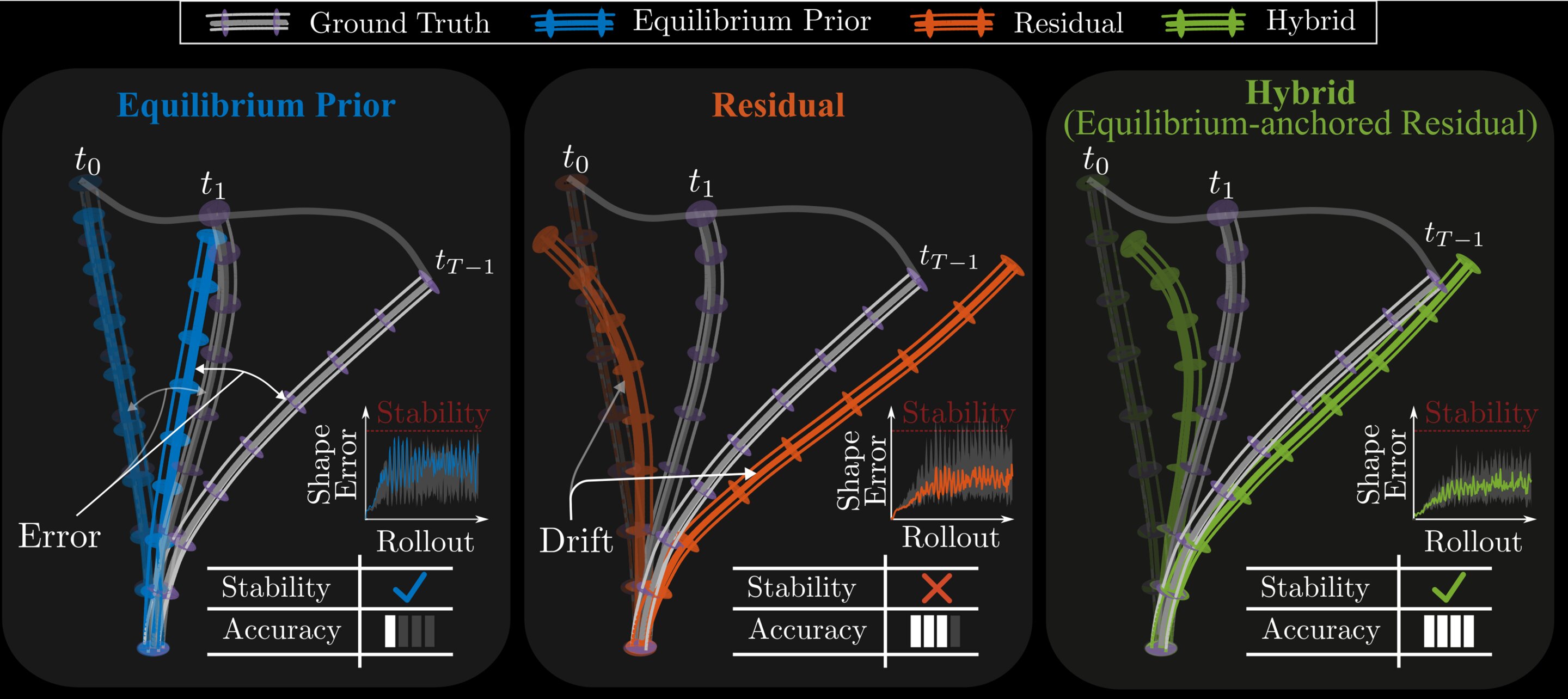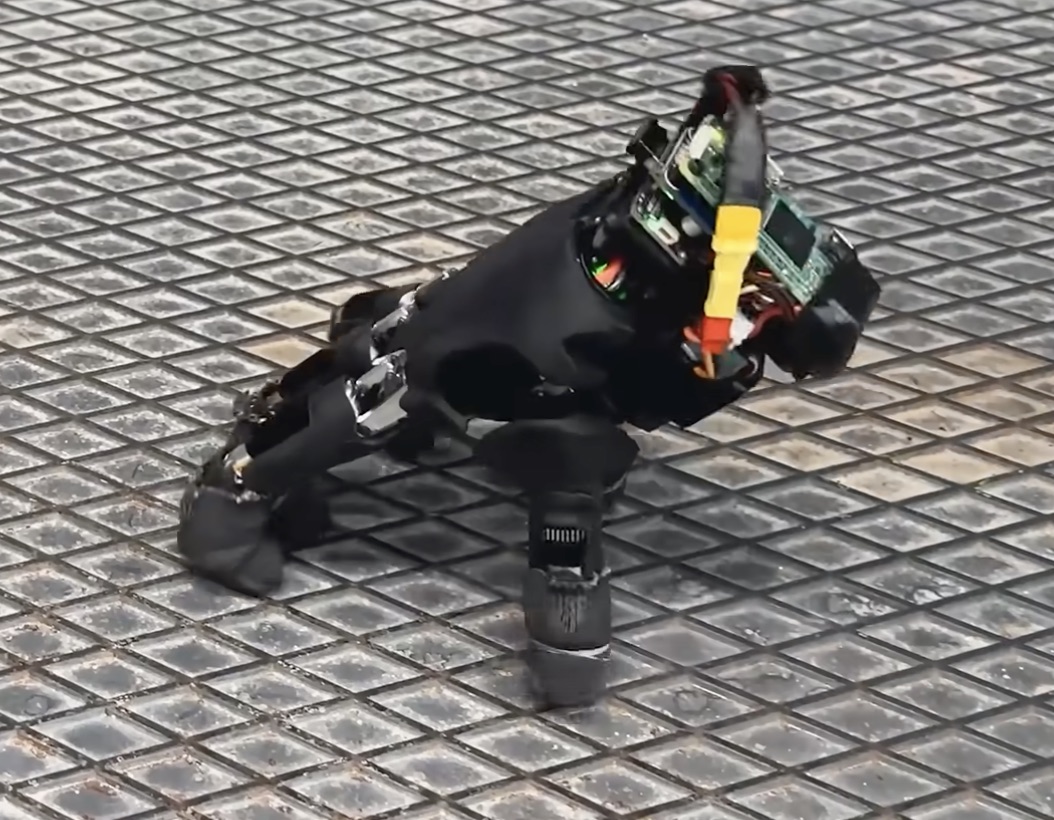
 A walking robotic hand, from Fingers as Legs: Learning Self-Supported Locomotion and Manipulation with an Anthropomorphic Hand, Amirhossein Kazemipour, Hehui Zheng, Robert Katzschmann.
In our monthly series, we showcase a selection of robotics stories from society, business, research and culture, as we track the field’s ongoing journey from specialized industrial machines to an increasingly visible social phenomenon.
More than five million industrial robots are now operating in factories worldwide, according to the International Federation of Robotics’ newly released World Robotics 2026 report.
Factories installed more than 600,000 industrial robots during 2025, an increase of 11% on the previous year. The global operational stock grew by 9%.
China continued to pull away from the rest of the world. Its factories installed 354,000 robots, accounting for 59% of the global total. Chinese manufacturers supplied 55% of their domestic market.
The United States overtook Japan to become the world’s second-largest market, with almost 38,500 installations. India installed nearly 10,500 robots, an increase of 15%. Europe moved in the opposite direction: installations fell by 8% in Germany, 11% in Italy, 8% in France and 15% in Spain.
IFR forecasts that worldwide installations will reach 655,000 units in 2026 and 806,000 in 2029.
Separately, Toyota told investors that modernizing factories operated by the company, its group businesses and major suppliers could require around 400,000 robots . The estimate includes replacement machines, new industrial robots, automated logistics systems and possible future humanoid deployments. 4 billion, annually from 2028, although it has not made a firm spending commitment.
Source link