This article has been reviewed according to Science X's editorial process and policies. Editors have highlighted the following attributes while ensuring the content's credibility:
In a new paper, published in The Lancet Neurology titled "Reframing traumatic brain injury and spinal cord injury as chronic multisystem disorders: toward integrated, long-term care," international experts across institutions and disciplines propose a fundamental shift in how traumatic brain and spinal cord injuries in adults are understood and managed.
Sandro Marini, M.D., of the Mass General Brigham Neuroscience Institute, is a co-first author, and Saef Izzy, M.D., also of the Neuroscience Institute, is one of the co-senior authors and the primary corresponding author.
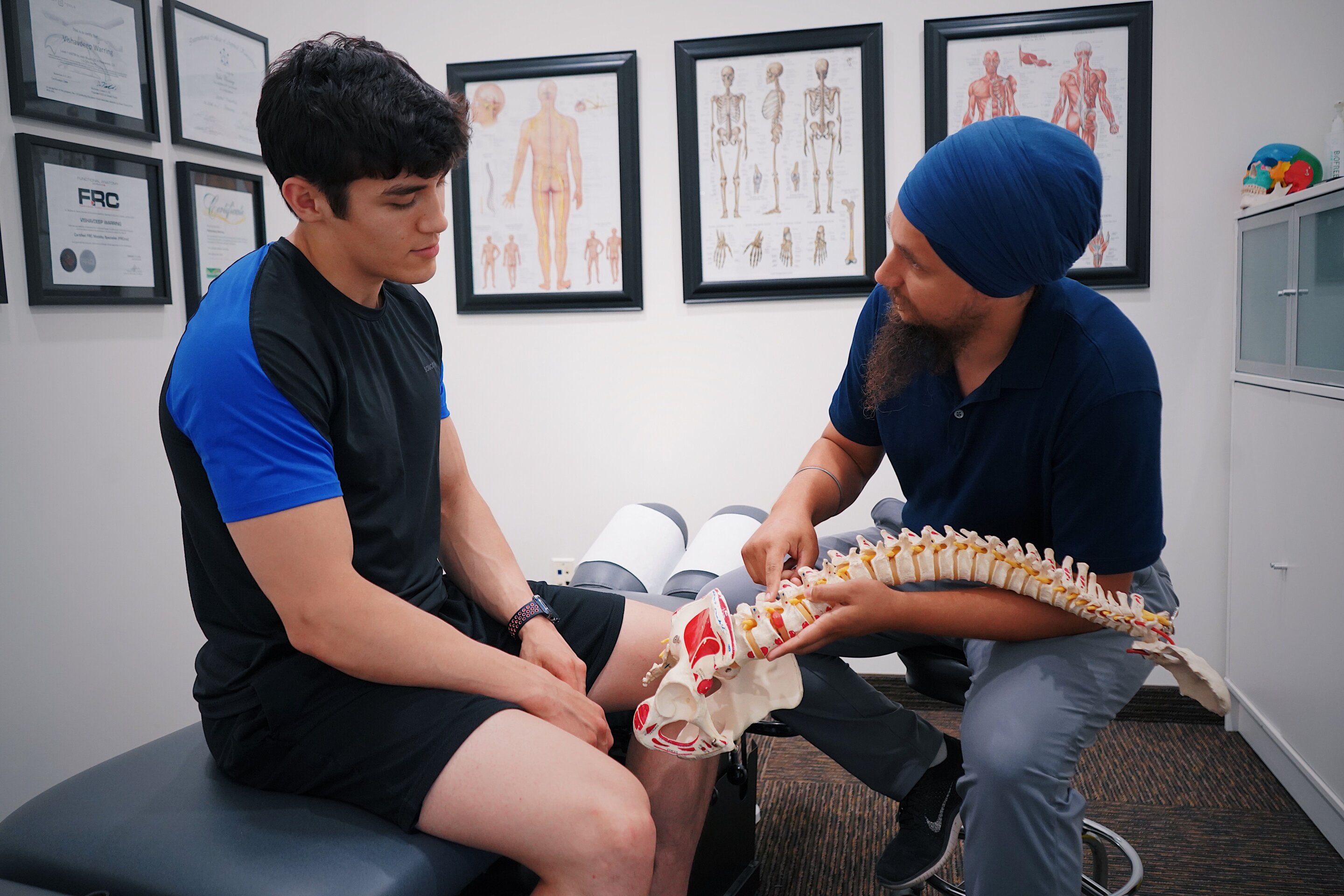
Traumatic brain injury (TBI) and spinal cord injury (SCI) are still frequently treated as isolated events with time-limited consequences. However, many survivors develop cardiovascular, metabolic, endocrine, neurological, psychiatric and functional complications that can continue or emerge years after the original injury.
Despite this long-term burden, surveillance is often fragmented or absent once patients leave acute care and rehabilitation. As a result, complications may not be recognized until they cause hospitalization, functional decline or other preventable harm.
First, the researchers asked whether TBI and SCI should be reframed as chronic multisystem conditions rather than as injuries that end when acute treatment and rehabilitation are completed.
They also examined what a practical, long-term care pathway would need to include and what changes, from clinical to workforce to policy, would be required to implement coordinated care across different health systems.
The team searched multiple databases for English-language studies published between 2020 and 2026, focusing on prospective analyses of long-term outcomes after TBI or SCI, and consulted international experts and stakeholders.
Source link