This article has been reviewed according to Science X's editorial process and policies. Editors have highlighted the following attributes while ensuring the content's credibility:
A family member collapses at home. A co-worker suddenly becomes unresponsive. A child stops breathing.
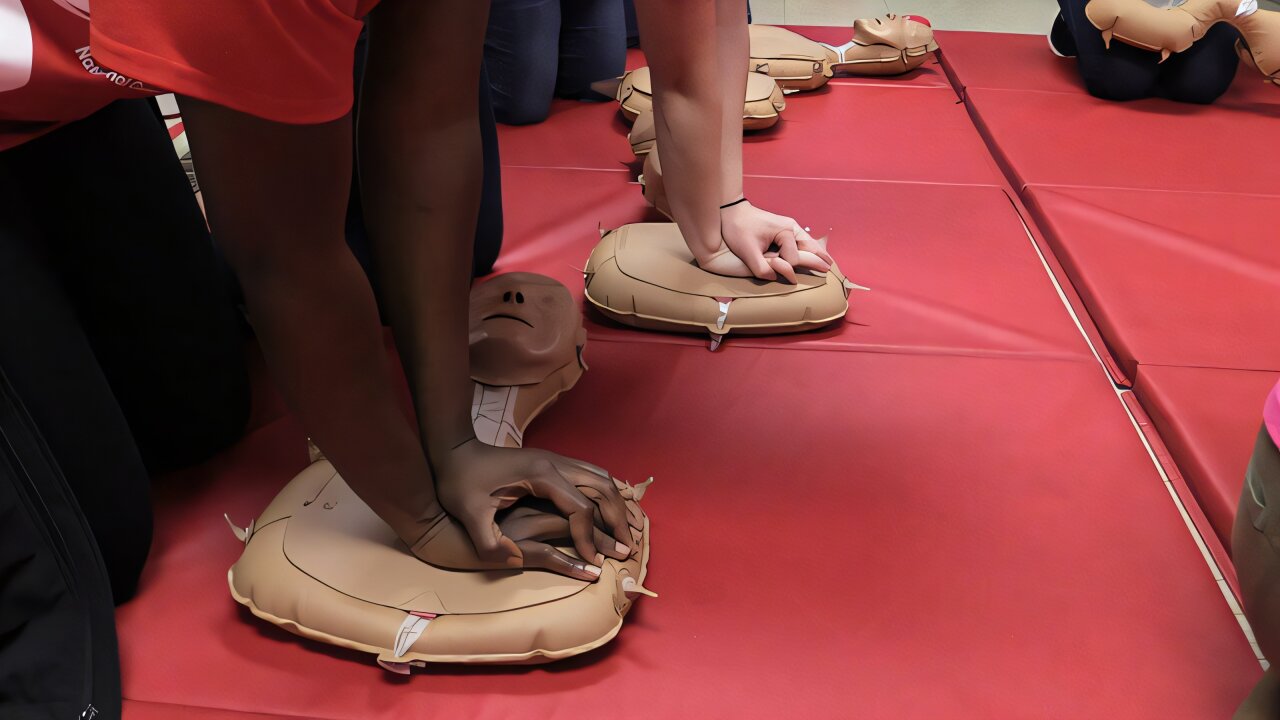
In a cardiac emergency, the people nearby may be the ones to provide lifesaving help before emergency responders arrive. If a person is unresponsive and not breathing normally, call 911 and begin CPR. Send someone to get an automated external defibrillator (AED), if one is available. These steps can mean the difference between life and death.
Each year, more than 350,000 cardiac arrests happen outside hospitals in the United States, and about 90% of the people affected don't survive, according to the American Heart Association. About three in four out-of-hospital cardiac arrests happen at home, which means you may be called on to help someone you know or love. Immediate CPR can double or even triple a person's chance of surviving, yet fewer than half of people experiencing an out-of-hospital cardiac arrest receive CPR from someone nearby.
"You don't learn CPR because you expect to use it," said Dr. Saket Girotra, a professor of medicine at UT Southwestern Medical Center in Dallas. "You learn it because someday, someone you love may need you to know it."
Cardiac arrest happens when the heart suddenly stops beating, keeping blood from reaching the brain and other vital organs. CPR can help maintain some blood flow until emergency responders arrive.
"CPR doesn't replace professional medical care, but it helps us buy time," Girotra said.
Source link